

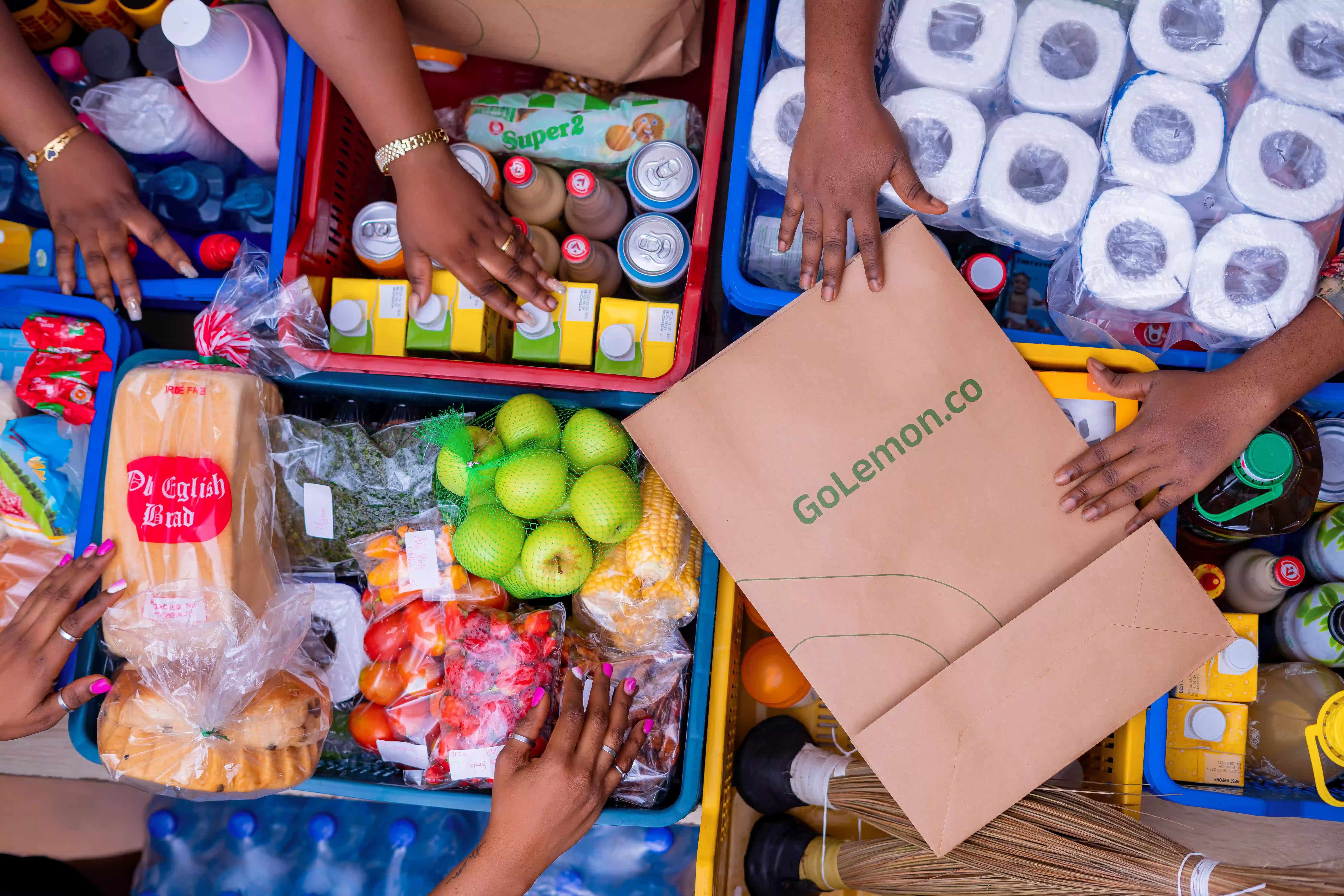
GoLemon, a Nigerian grocery delivery startup founded by former Paystack employees, has shut down operations just two years after launching. The startup is the latest casualty in Nigeria’s food delivery market.
The company announced the decision in a statement, citing its inability to secure additional funding despite efforts to keep the business afloat.
“Despite our efforts to raise additional funding, we couldn’t find a sustainable path forward within the time available to us,” the company said.
GoLemon was launched with the goal of making grocery shopping easier for urban consumers by offering on-demand grocery delivery. It entered the market at a time when several established players, including Jumia Food and Bolt Food, were exiting Nigeria’s food delivery business.
Read more: Swoop wants Nigerians to trust them to deliver food
Even then, the founders believed there was still room to build a sustainable business.
“It’s difficult to get started right now and get traction, but if we can weather the storm right now, I think we would have been able to build a formidable business,” co-founder Abdulrahman Jogbojogbo said at the time of the company’s launch.
The shutdown comes just weeks after Nigerian food-tech platform FoodCourt temporarily suspended operations, with the company also pointing to fundraising challenges as a key factor behind its decision.
While Nigeria’s food and grocery delivery market appears attractive on paper — supported by a growing urban population, increasing smartphone penetration, and rising demand for convenience — the economics remain difficult.
Grocery delivery businesses typically operate on thin margins while contending with high logistics costs, inflation, and customers who remain highly price-sensitive. Those pressures make it difficult for startups to achieve profitability without significant scale or sustained external funding.
GoLemon’s closure adds to a growing list of startups that have struggled to make the economics of food and grocery delivery work in Nigeria.
Although consumer demand for delivery services continues to grow, recent exits and operational pauses suggest that converting that demand into a durable, venture-backed business remains one of the sector’s biggest challenges.
Last updated: July 30, 2026