

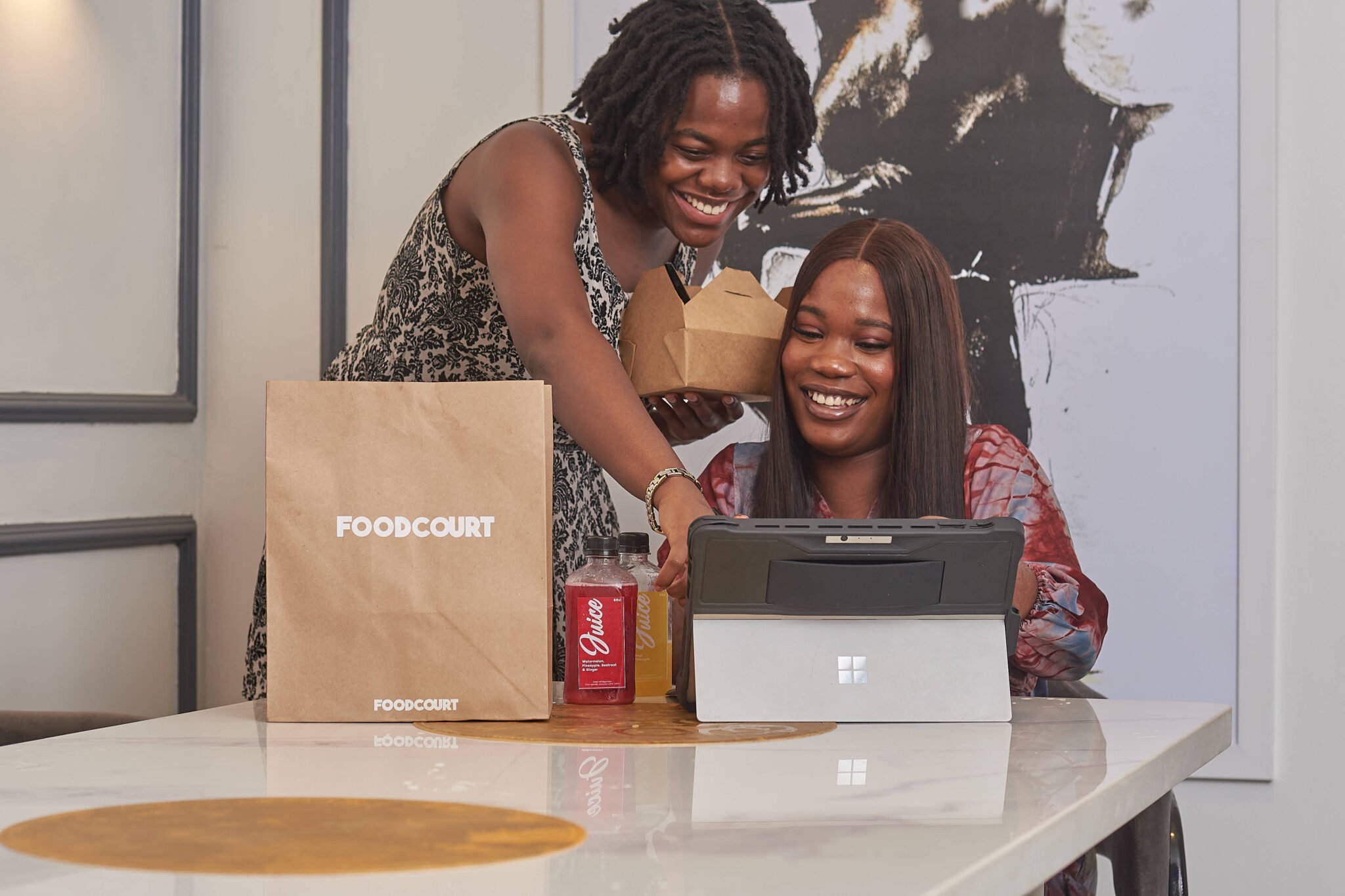
Last week, FoodCourt, a YC-backed food delivery startup, temporarily suspended operations. Meanwhile, fellow YC startup Chowdeck delivered over ₦1.5 billion worth of groceries in a month.
It is tempting to see these as two unrelated stories, but they are not. Together, they offer a reminder of the realities of building a food-tech business in Nigeria. FoodCourt’s CEO, Henry Nneji, explained that the suspension was not driven by one event. Instead, it was the result of operational, organisational and working-capital pressures. But this wasn’t always the case.
In 2024, FoodCourt was in a great place. It reportedly had over $4 million in annual recurring revenue, was profitable and planning expansions into Abuja and outside Africa; it also launched additional food brands to serve different customer segments. On paper, this looked like a company that had figured out how to survive in one of Nigeria’s toughest industries.
This story is free for Condia Insiders only.
Keep reading free. Join the community at the forefront of African tech.
Already an Insider? Sign in
Last updated: July 6, 2026