


On Thursday, October 1, 2026, Nigeria’s Minister of Communications, Innovation and Digital Economy, Dr Bosun Tijani, announced the official launch of the National Digital Alphanumeric Postcode System, developed by the Nigerian Postal Service (NIPOST).
For the first time, every addressable building, from city apartments to rural homes, receives a unique 11-character code that combines letters and numbers.
The system, available at postcode.gov.ng, uses geographic information technology to pinpoint locations with far greater accuracy than the old six-digit numeric codes.
Tijani framed the launch as more than a postal upgrade. “Every Nigerian deserves to be found. Every business deserves the chance to reach its customers. And every community deserves to be within reach of opportunity,” he wrote on X.
He linked the project directly to President Bola Tinubu’s goal of building a $1 trillion economy, calling accurate addressing one of the basic foundations that will help more people trade, receive services, and prosper.
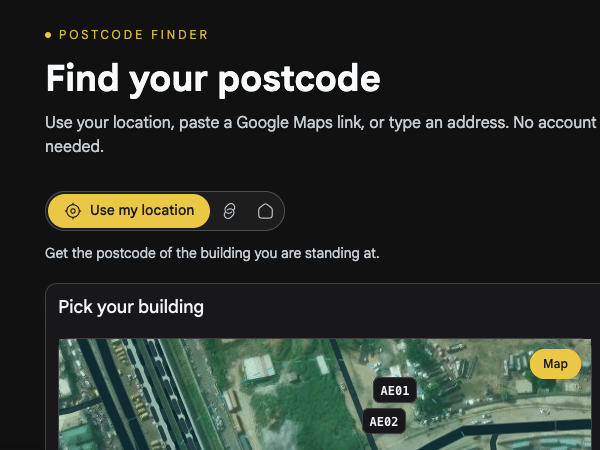
The new codes are expected to cut heavy losses from failed deliveries (estimated between ₦50 billion and ₦80 billion a year) while speeding up emergency response, improving security operations, supporting e-commerce, and giving banks and fintech firms a clearer reference for customer verification.
Government agencies hope the data will also strengthen planning for censuses, elections, and the delivery of essential services.
Read also: Inside ‘Bosun Tijani’s plan for Nigeria’s digital economy
This launch started with the idea of a digital postcode system that dates back to around 2006, but progress remained limited for years. Momentum built after NIPOST signed an agreement with the National Population Commission in 2022 to use existing mapping data. In March 2026, the Federal Executive Council formally approved a GIS-enabled alphanumeric system.
Throughout the middle of the year, the ministry and NIPOST held a series of workshops focused on national security, public safety, and interagency integration.
Field teams began validating maps against real settlements and partnerships with the National Identity Management Commission (NIMC) started linking postcodes to National Identification Numbers (NIN) so people could retrieve both from one platform.
The government targeted October for the first major release, aiming for more than 90% coverage of buildings by launch day, with full nationwide reach expected by the end of 2026.
Nigerians are now being encouraged to look up their postcodes, share them, and begin using them. If the system gains widespread adoption by businesses, delivery firms, banks, and government offices, it could quietly reshape daily life, making it easier to send packages, call for help, or be found when it matters.
People in this article

Last updated: October 2, 2026