




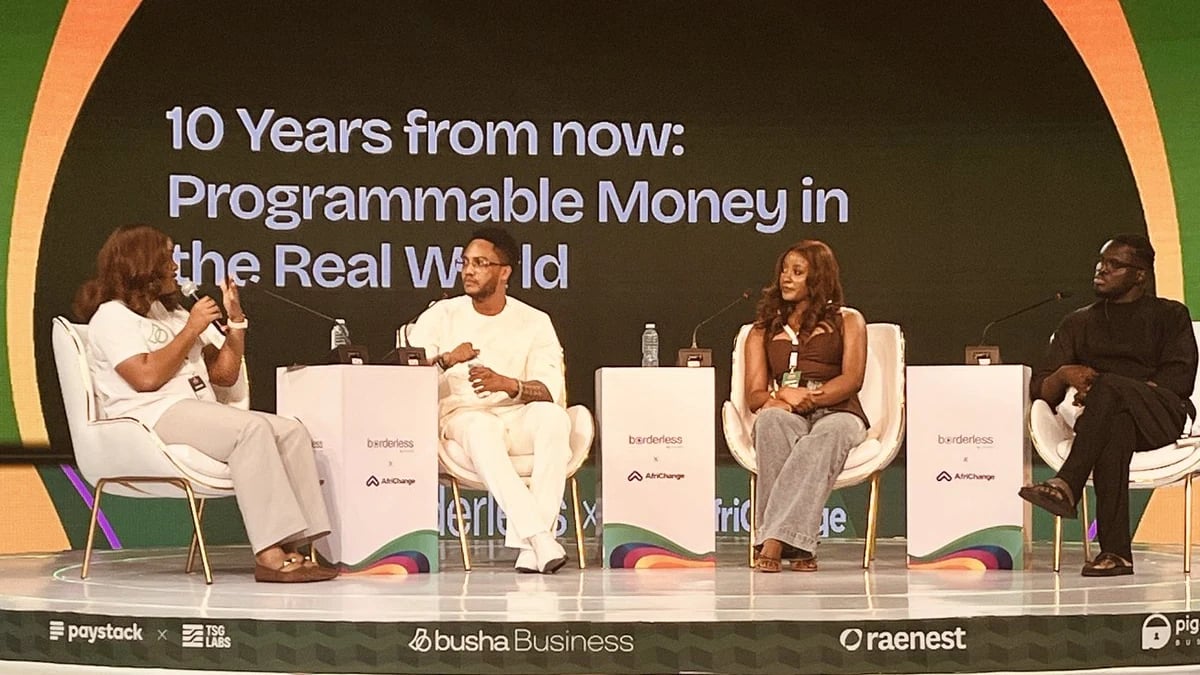
Events are now a fixture on the tech industry calendar, and professionals attend them for various reasons, ranging from networking opportunities to scouting talent and customer acquisition.
They have also become increasingly expensive. Many have shifted away from free entry and general admission towards paid ticketing models, while sponsorship deals now run into millions of naira.
For businesses, the bill does not stop at sponsorship. Exhibition booths have to be set up, employees have to get to the venue, and every hour a staff member spends manning a booth or sitting in a session is an hour not spent on their regular tasks. Individual attendees pay as well, through ticket fees, travel and the time they take away from work.
That makes questioning what attendees and sponsors gain beyond what the organisers promise increasingly important. This guide looks at how event attendees can get their money’s worth in three phases: before the event, at the event and after it. In each one, the advice is the same: go in with a plan.
Read: Top African tech events for startups and investors
Before the event
Start by asking whether the event deserves your attention at all. The size of a crowd says little about its value. An event can sell 2,000 tickets and still have fewer than 50 attendees who match your target audience. That is why attending or sponsoring a niche event can often yield more than a broad one with a far bigger crowd.
Maria Adediran, Associate Director at Wimbart, chooses events based on three things: networking for herself and her organisation; the opportunity to spot talent; and a wide range of topics.
“Having a variety of topics where everyone is not saying the same thing will pique my interest,” she said.
It’s important you ask yourself a few questions:
- Is my target audience there?
- Does the event fit my interests or my business goals?
- What do I want to walk away with?
Then go through past editions (if there are any), checking who spoke on panels, and reading what past attendees had to say.
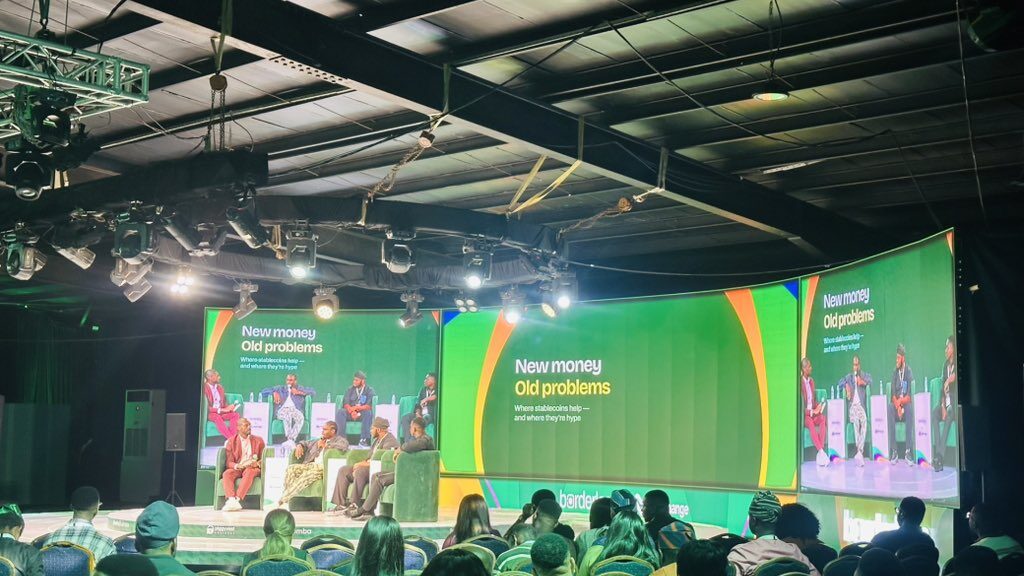
Look at when the event usually holds and compare it with your calendar. Study the ticketing, too. Understand what each tier buys you and if you can get tickets at a discount.
For brands, filtering is even more important. Mojisola Fagbohunlu, who handles fintech product marketing at Sycamore, says she gets about ten event proposals a day, and each one is evaluated critically. “90% of the events you find us in have to affect the bottom line,” she said.
Sycamore is in its growth stage, so the usual logo placement no longer cuts it. “A shout-out on stage is not enough for me anymore,” she shared. “It had better be combined with something that affects the bottom line.”
If a proposal does not spell out the goal, the audience and a plan, she asks for a call, and she expects that plan to cover what happens before, during and after the event.
Omolara Dada, a senior product marketing manager at Busha, begins with who the event is for, whether the company’s ideal customers will be there, and what its sole focus is: awareness for a new product, general brand awareness or conversions. Busha is widely known for its consumer products, but the fintech has used events to promote its business products.
Timing matters too. Brands should know what they want by the last quarter of the year and have the next year’s calendar ready, Gift Arku, the founder of a marketing agency, noted. Many organisers fix the next year’s themes and dates early and may offer discounts for early commitments.
Finally, decide how to show up. Dada suggests brands take a five-minute speaking slot, especially in a room full of decision-makers.
Other options include a full-day exhibition or a short product walkthrough on stage. Individuals should be prompt and look well dressed and approachable; wearing personal brand identifiers can also help people connect with you better.
Read: Meet “The Borderless Experience 2026”, Condia’s flagship event
At the event
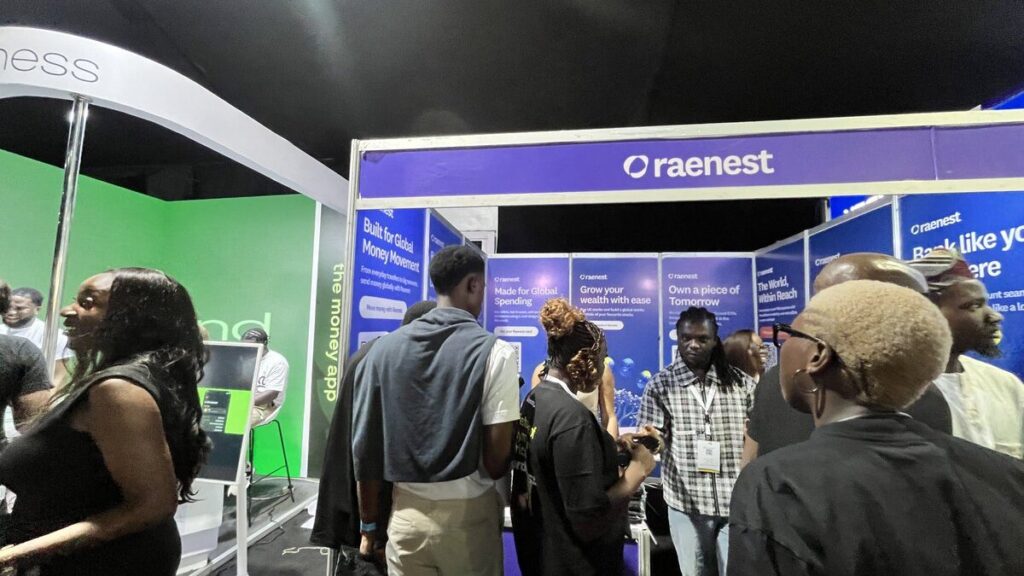
Sort out the basics before the day: logistics, accommodation where necessary and meals. Most events publish a session guide, so decide ahead of time which panels you want to attend and who you want to meet.
Adediran prefers events with an app that lets her connect with people before she arrives. Some events also have meeting rooms or tables, so she is not hunting for people on the day.
Brands should also plan how to staff the floor. Arku builds a “Know Before You Go” document for everyone representing the company. It covers the venue, booth number, agenda, and goal. It also sets lead targets and lists the activation points. Some people stay at the booth, sit in sessions, or walk the floor.
“Your audience is everywhere,” she said. “They will not always come to your booth.”
Sycamore brings a cross-section of its teams: product, customer support, tech and customer experience. That way, anyone who stops at the booth can be onboarded smoothly.
When choosing panels, it helps to pick your sessions with questions in mind. Adediran likes panels where speakers can disagree. “If everyone is saying the same thing, that is boring,” she said.
Iyanuoluwa Olaseobikan, an AI annotator, takes a different view, noting that attendees should keep an open mind when listening to panels.
For many attendees, the goal is connection, though some come for talent, awareness or customers. So if you want to meet people, do some research on them beforehand. Find common ground before you approach them and practise your opening line.
You can also post on social media ahead of time to say you will be there and you may make a few connections before the event.
Leave room for chance, too. Not every useful conversation happens on a panel, at a booth, or through some pre-defined schedule. Dada walks the floor herself to meet other businesses exhibiting, since some may be potential customers, and she collects founders’ contacts as she goes. At one event, that approach brought leads, and at least two became customers. “It’s not about the quantity,” she said. “It’s the quality.”
After the event
Results can take a while, and this applies to individuals and brands alike. Dada treats events as experiments. She either tests with a low-tier sponsorship or attends as an observer. If an event does not deliver, she counts it as a data point and does not repeat it.
The best follow-up is immediate while the event is fresh in the memory. Arku aims to reach out to leads within 24 hours. B2C brands can send a targeted email, and B2B brands may need to nurture leads for longer.
Adediran ends every conversation with a next step. She asks how the person prefers to be contacted. Then she sends the summary and whatever she promised. An AI note-taker helps her to remember who said what.
Debrief with the organisers, too. Fagbohunlu encourages sponsors and organisers to compare notes then see how to make up any deficit.
Finally, measure what you can. Look at lead numbers, social mentions, app downloads, and website visits. Set the benchmarks before the event. Then check regularly afterwards.
Arku cited one example of the returns effective event follow-up can generate: an investment of about $6,000 yielded $35,000 in closed deals within two weeks and more than $100,000 over the following quarter.
Common mistakes event attendees make
- Choosing on hype. Fagbohunlu noted that brands often pick a big-name event or give in to fear of missing out (FOMO) and then get angry when nothing comes back. A spice brand at a real estate conference is an obvious misfit, and choosing events that fit your goals is the first step to getting results from it.
- Focusing on the headline number. An event can sell 2,000 attendees and have fewer than 50 who are your target audience. For instance, if immediate customer spending is the goal, then sponsoring a student event may not yield the best results.
- Leaving results to the organisers. The platform is a start. How you show up is on you.
- Following up late. Some brands take emails at events and contact them either a few weeks after or never. This makes it difficult for marketers to turn leads to paying customers. Arku suggests sending out emails a few hours after the event.
- Pitching without listening. Networking is a two-way exchange. Beyond making your pitch, take time to listen and understand the other person’s needs and where you might be able to add value.
- Planning too late. Landing pages, forms, and booth design take time, so it’s best to prepare early rather than leave it till the last minute.
- Assuming the day will go to plan. Event day is 50-50. Rain, no-shows, or the wrong crowd all happen, so always have a plan B.
- Taking no lead list.
Tips for a first-timer event participants
- Define the job. Identify what job the event is meant to do for you ahead of attendance.
- Identify who’ll be in attendance. Any good organiser would share audience demographics and a track record. Check that the audience matches your ideal customer. Ask about speaker slots and facilitated meetings, too.
- Attend before you sponsor. For newer events, go as a visitor first. Dada notes who exhibits and who shows up. If an event looks promising, she takes the smallest sponsorship tier and goes bigger the next year.
- Prepare your questions. Have two or three themes ready, as Adediran does.
- Decide the follow-up before you arrive. Know how you will record conversations and when you will reach out.
Last updated: November 28, 2026