
Artificial intelligence has compressed the distance between having an idea and shipping it, which means the tools a company builds to move faster also raise the bar for everyone downstream.
A customer in Lagos now measures a Nigerian fintech against whoever served her best last week on any continent, in any currency, in any market.
The competitive advantage that borderless access used to represent has become a baseline expectation, and that baseline moves frequently.
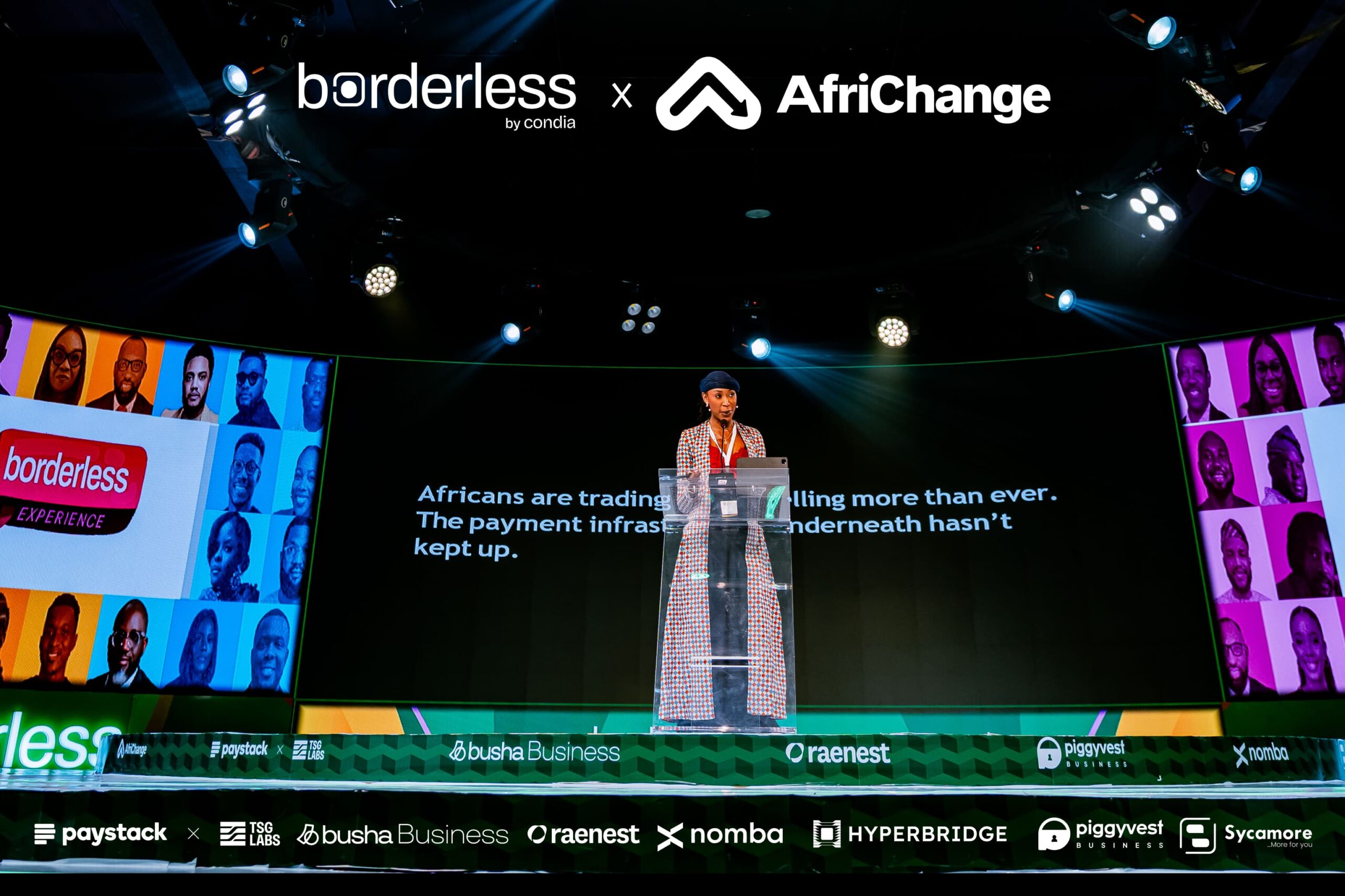
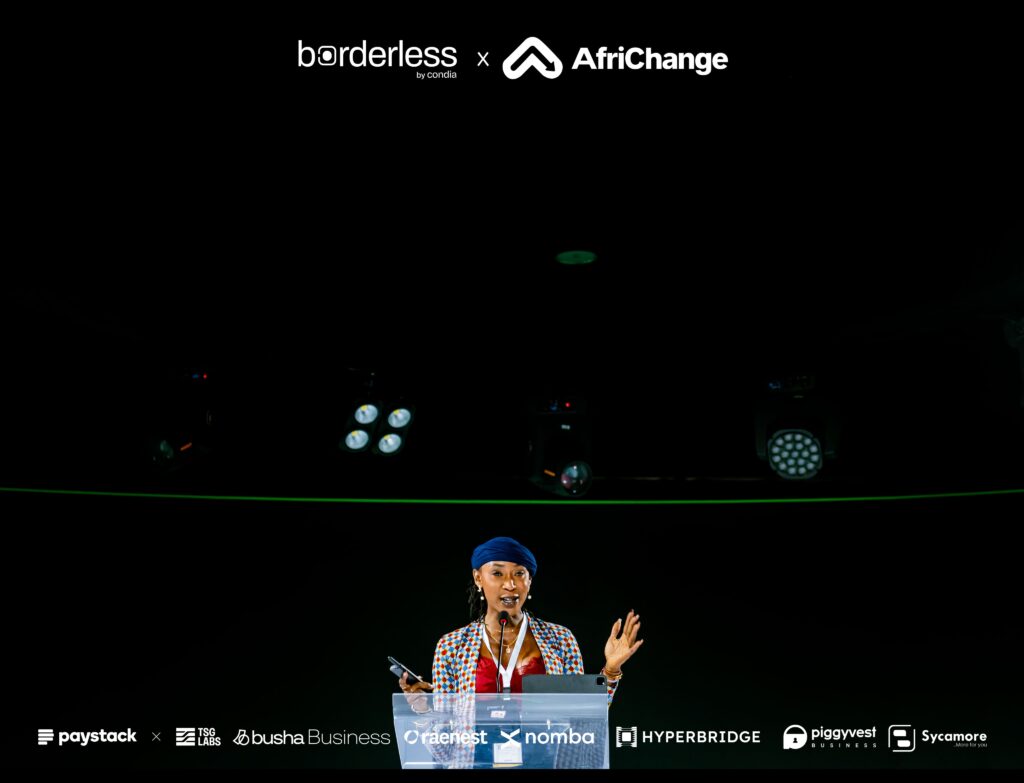
At The Borderless Experience, hosted by Condia, Ricky Asemota, a partner at McKinsey and Company, argued that the capability worth protecting is not the ability to generate new ideas but the ability to absorb them into how an organisation actually runs.
Asemota offered three moments drawn from working with clients in Africa and the GCC region.
The first, she shared, happens before anything is built, when the question in the room is almost always whether a team can build something and almost never what it would take for that thing to run exactly as designed 18 months later.
Asemota cited McKinsey research that found that 72% of leaders say they want to lead a growth organisation, yet only 22% actually set up their organisations for that. Asemota called that 50-point gap an absorption gap rather than a strategy gap and argued that companies should staff for the organisation they are becoming instead of adjusting headcount to hit a launch date.
The second moment lives inside the decision itself. Asemota described a pattern common on leadership teams where a new initiative gets approved, but the old process stays intact as a precaution. There, it runs on the same budget, the same expectations and the same KPIs as before.
When people quietly revert to the old way of working, leaders often read this as resistance, but Asemota framed it as a decision that was never actually made, because the incentives never changed and nothing was formally retired to make room for the new approach.
The final moment arrives after a decision has already been made and resourced correctly, when the person driving the change leaves the organisation or moves into a different role.
The change leaves with that person, and it does not announce itself as having stopped. It simply stops being enforced. She told the room that this third moment cannot be fixed once a company arrives at it, because by then the habits and processes the departing leader carried have already left with them.
The only real defence, in her opinion, is treating the first two moments with enough discipline that the organisation never becomes dependent on one person’s attention to keep a change alive.
Asemota closed by bringing the discussion back to the audience. Having spent significant time in the Gulf in recent months, she pointed to growing interest from institutional investors looking at Africa, attracted by the continent’s long-term growth story.
But capital, she argued, is only the beginning. Raising money does not prove that a company is built to last.
Instead, it tests whether the organisation has the systems, governance, and operational discipline to sustain growth long after the excitement of a funding announcement or product launch has passed.
For the founders and executives gathered at a conference centred on borderless growth, the point was particularly relevant.
Expanding into new markets and attracting investment are often treated as milestones. Asemota’s argument was that they are really stress tests. The real challenge is not gaining access to customers or capital but building an organisation capable of maintaining its standards as it scales.
Last updated: August 24, 2026