
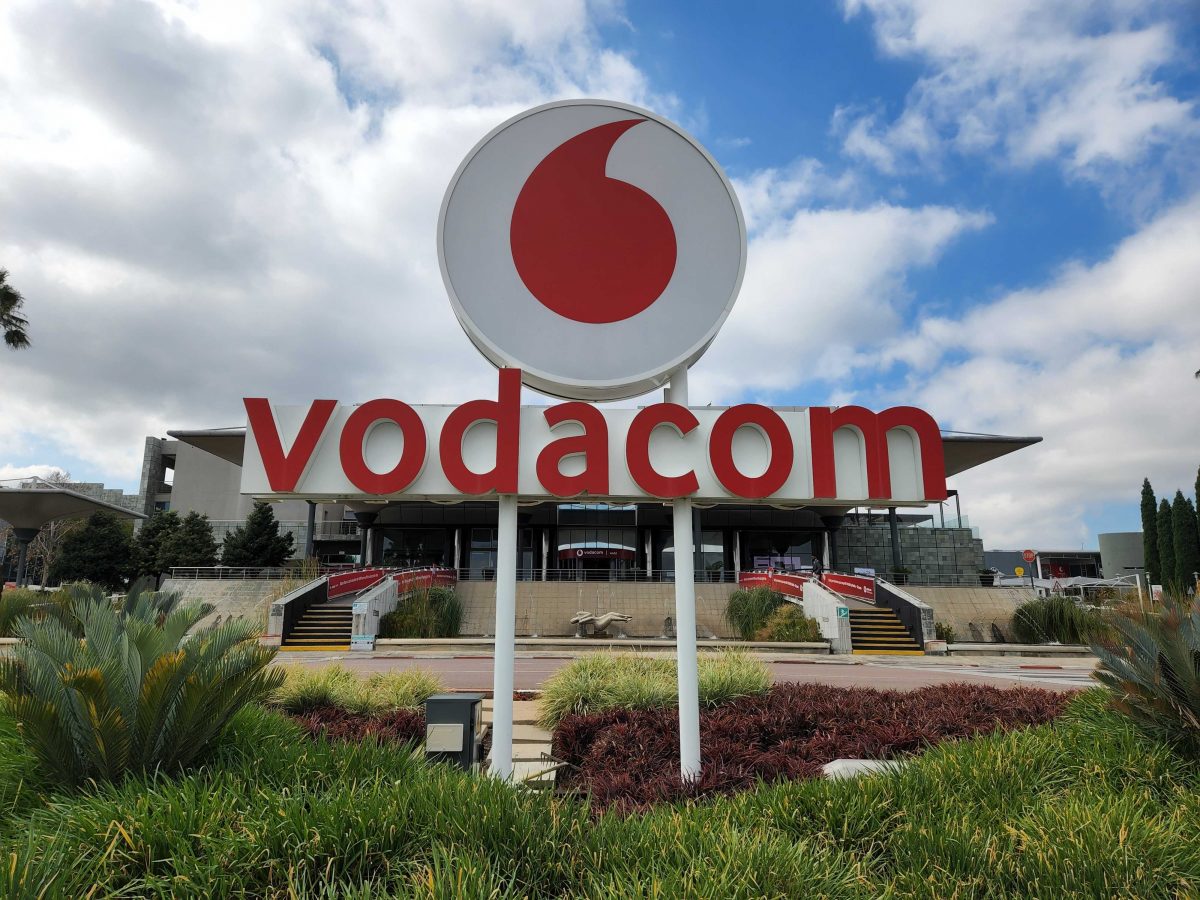
Kenya’s High Court has cancelled the sale of a 15% government stake in Safaricom to Vodacom, ruling the deal unconstitutional and ordering the shares be handed back to the state.
The judgement, delivered on Tuesday, comes 11 weeks after the transaction closed and gave the South African telecom group control of East Africa’s most valuable listed company.
A three-judge bench — Francis Gikonyo, Roselyne Aburili, and Tabitha Ouya — cancelled all the agreements and approvals behind the sale. The court said the shares must go back to the Kenyan government, to be held on behalf of the public.
The judges gave three main reasons. First, they said selling a state asset this big is a decision that affects the public, so the constitution required proper public consultation. Neither Kenya’s cabinet nor its parliament met that bar.
Second, the court said the government never disclosed who the buyer actually was, calling this “unexplained obscurity,” and found that officials withheld documents and misrepresented facts during the process. Third, judges ruled that the pricing used to value Safaricom was arbitrary and that regulators never properly examined the competition risks of Vodacom effectively taking control of the company.
How the deal came together
Vodacom first announced plans to raise its Safaricom stake in December 2025, in a deal worth about $2.1 billion. It planned to buy Kenya’s 15% government stake for $1.6 billion and a further 5% indirectly from Vodafone Group for about $500 million taking its effective ownership of Safaricom from roughly 35% to 55%.
Activists, led by broadcaster Tony Gachoka and Professor Fredrick Ogola, challenged the sale in court almost immediately, arguing the process lacked public input and undervalued the company. A conservatory order initially froze the sale.
On 26 June 2026, Kenya’s Court of Appeal lifted that freeze, allowing the transaction to proceed while warning explicitly that it could still be unwound if the challengers won their case later.
The government sold the shares the very next day, on 30 June, at KSh34 each, raising about KSh204.3 billion. Combined with a dividend advance, the state’s total take was roughly KSh244.5 billion. That same day, Vodacom completed the rest of the deal, lifting its Safaricom stake to 55% and gaining control of the company.
What happens now
The proceeds from the sale went into Kenya’s National Infrastructure Fund, a new state investment vehicle signed into law by President William Ruto in March. Kenyan lawmakers have already raised concerns that the fund’s investment rules are too loose.
Since taking control, Vodacom has used its majority stake to push through changes at Safaricom, including new rights to nominate board directors and influence the choice of the company’s next CEO. Safaricom also shifted in Vodacom’s accounts from an associate company to a fully consolidated subsidiary.
Vodacom says it will appeal Tuesday’s ruling and ask the court to pause its effect while the appeal is heard. The company has not commented further, saying the matter remains before the courts.
Investors do not appear to expect the deal to fully unravel. Vodacom’s shares fell sharply on the Johannesburg Stock Exchange briefly after the ruling before recovering most of the loss, closing down just 0.6% on the day. In Nairobi, Safaricom shares were trading at about KSh36.50 — above the KSh34 price the government accepted for its stake in June.
The 25% of Safaricom held by ordinary investors on the Nairobi Securities Exchange was not part of the disputed sale and is unaffected by the ruling.
Last updated: September 15, 2026