
For most people, choosing a career path involves deciding between following their passion and taking a better-paying offer.
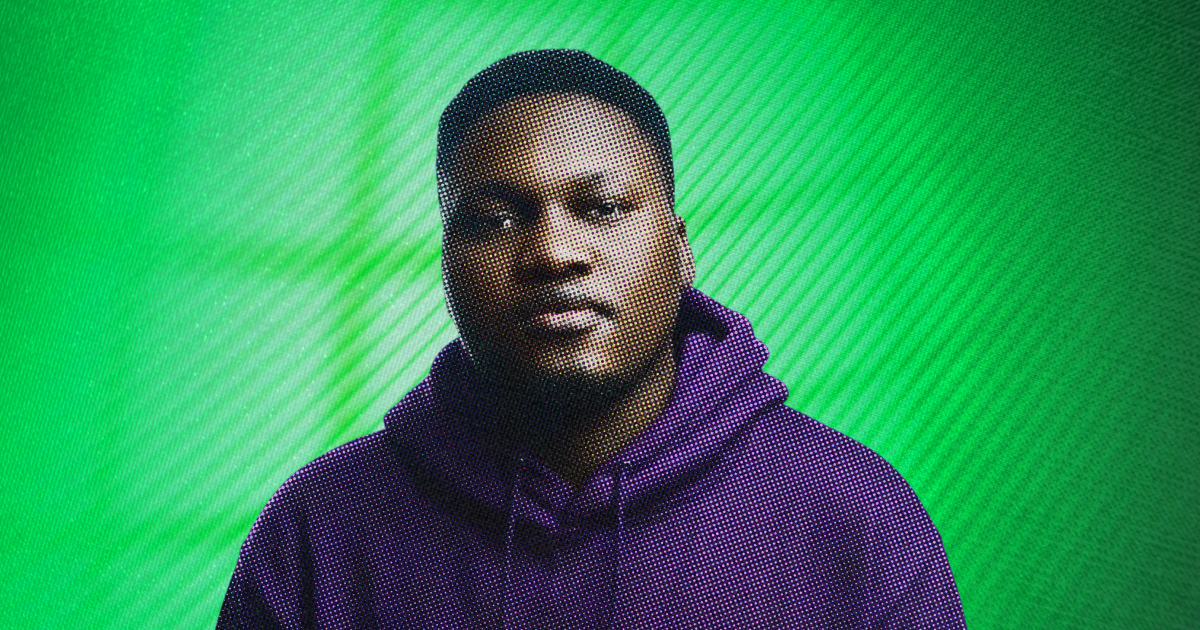
Tomilola Shitta had to weigh both considerations when making his decision. Armed with a degree in mathematics from Tai Solarin University, his father suggested he take up a job with Nigeria’s tax regulator, as he had some contacts who could help secure a role.
But after looking through the salaries on offer, Shitta declined. Not because he had a better offer lined up. He did not, but he had seen what designers earned, and more importantly, the kind of careers they were building, and he was not confident a civil service job would give him either.
“It took convincing, but when I started showing payslips, they were like, ‘Okay, maybe this is the right thing for you,'” he recalls.
As an undergraduate, he stumbled on product design, but he did not seriously consider it as a career path until he was hired to redesign the website of the Humankind Foundation. The gig only paid ₦150,000, which was a lot of money for a student, but he credits it with doing more than paying the bills.
“It showed me people would pay real money for design done well. That was the moment it stopped being a side interest and became the career plan.”
His first job after graduation would come from a connection he had made while studying. As president of the college of science and information technology student’s association, he had curated a career event for students that drew over 700 attendees and nine speakers, including Goodness Armstrong, founder of StartupHR Africa.
They stayed in touch after that, and when he began job hunting, he informed her. When a design internship opened up at Rayda, she suggested he apply and put in a good word for him. He got hired.
Rayda was his first formal product design role. Much of his experience before joining Rayda had come as a freelancer, and it took him a few weeks to get up to speed with the demands of his new role.
The makings of a good product designer
For many people, good design is defined by aesthetics, but Shitta pushes back against that. Good design, he argues, is first functional before it is aesthetically pleasing.
“I usually say the difference between design and art is if I have to sit down and explain end-to-end what a design is, I’ve totally failed,” he shares.
For him, the ultimate test of good design is how well it helps users fix a problem with minimal education. However, that doesn’t mean he ignores aesthetically pleasing designs. With artificial intelligence increasingly playing a role in design, he argues that what will differentiate good designers from great designers is taste.
“You need to expose yourself to a lot of designs to be able to tell a good design from a bad design,” he says.
Beyond developing an eye for good design through exposure, Shitta notes that designers must constantly refine their work, adding that there is always room to make a design better.
His insistence on continuous improvement draws from his belief that design must evolve in response to changing user needs.
In 18 months, Shitta has gone from an intern to a senior product designer, and he credits that rapid rise to curiosity. That curiosity, he says, allowed him to secure two promotions within that period.
“I kept delivering, asked to own more, and my KPIs kept coming in above target, so the scope grew from intern tasks to owning product design work end to end.”
Balancing user needs, business needs and creativity
Navigating business needs, user needs and creative instincts is a challenge most designers will have to work through at some point. But for Shitta, the starting point is always the business’s needs.
“If the business does not make money, what are you doing?” he asks.
That focus on the needs of the business does not mean the customer’s needs are ignored. Instead, he argues that it forces him to think harder about how user needs can be incorporated, noting that a designer’s job is to find a balance between competing priorities.
That does not mean there is no conflict. One area he has observed frequent conflict in is what he calls “oga-driven design”, where what the organisation’s leadership wants differs from what the users need.
In such situations, Shitta argues that a designer must be able to argue for the user. In many cases, the leadership will understand that keeping the customer happy guarantees revenue and will come around. But where disagreements linger, he advocates for an A/B test that allows the designer to produce proof that can strengthen their argument.
Designing with AI
Shitta has been quick to embrace the use of AI in his work. Part of this has been influenced by his work at Rayda and the possibilities it unlocks for his team.
Rayda is a device lifecycle management platform that helps IT teams at globally distributed companies procure, manage, and retrieve employee devices in over 170 countries.
However, it competes in an industry where the major players are either better funded or have been around for longer. Consequently, its ability to respond quickly to user needs is crucial to customer retention.
AI has therefore helped the design team to work faster than it would have done previously. At Rayda, he has led efforts to integrate AI tools into the product team’s workflow, reducing the dependence of the design team on front-end developers and drastically cutting the time it takes to ship new features from about a month to a week or less.
Shitta argues that AI is still unable to completely replace a human designer. However, he expects that many of the advantages human designers enjoy today will be stripped away in the coming years. Still, he insists that the human touch will become even more important.
“The way a professional will use a tool will be different from the way an amateur will use a tool. There will always be that human touch there.”
Outside his day job, Shitta has spent much of 2026 mentoring designers and building the design community around him. The inspiration for that is in part down to getting numerous questions and mentorship requests from less experienced designers.
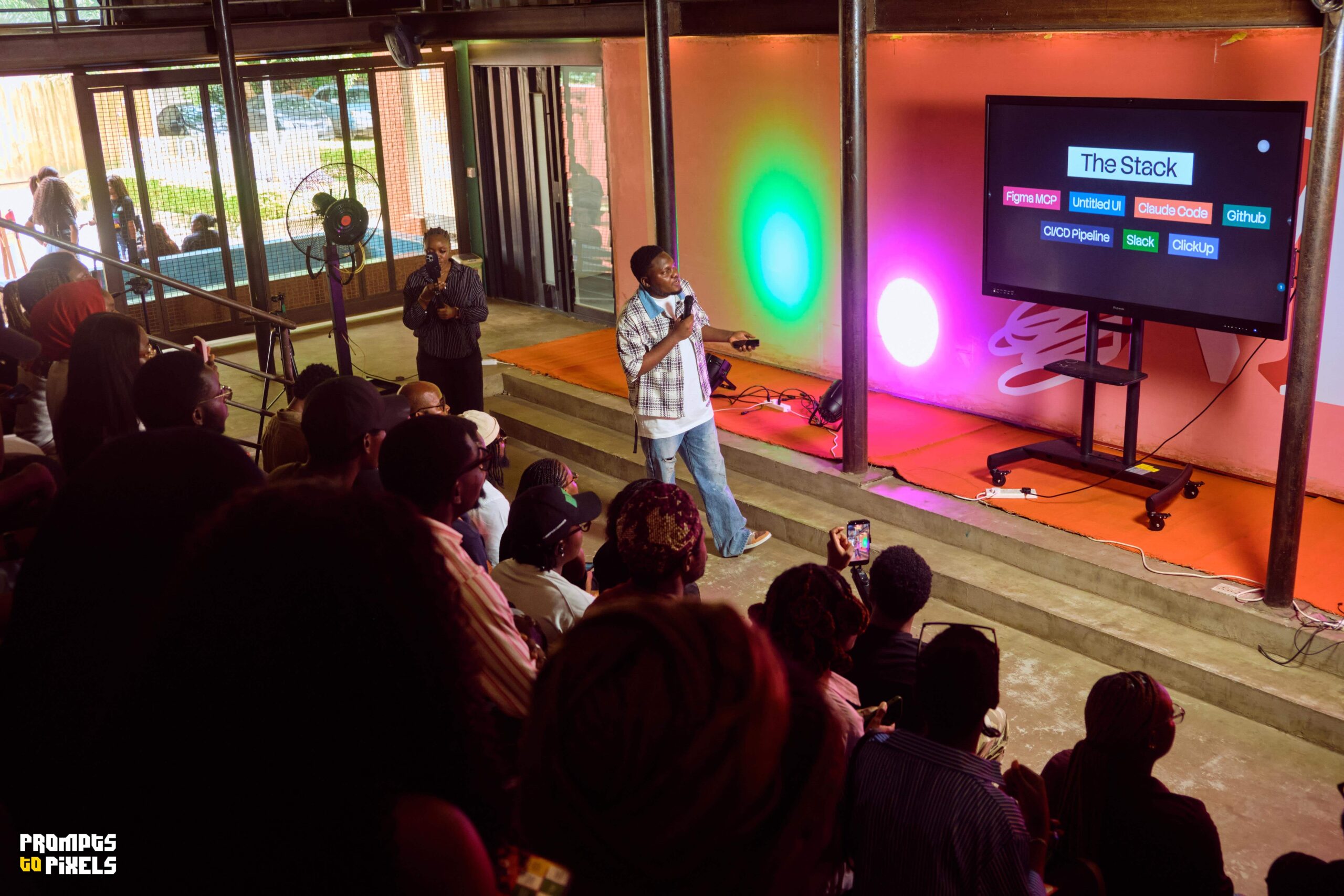
Prompts to Pixels, a Lagos design community he founded to help designers navigate the intricacies of AI, drew over 100 attendees for its first workshop in August 2026.
“AI changed what one designer can ship, and I don’t want to be the only person around me who benefits from that,” he shares.
He also mentors early career designers through the Tech4Dev Global Mentorship Programme and writes about AI-era design for Bootcamp, a UX Collective publication.
Last updated: November 11, 2026