
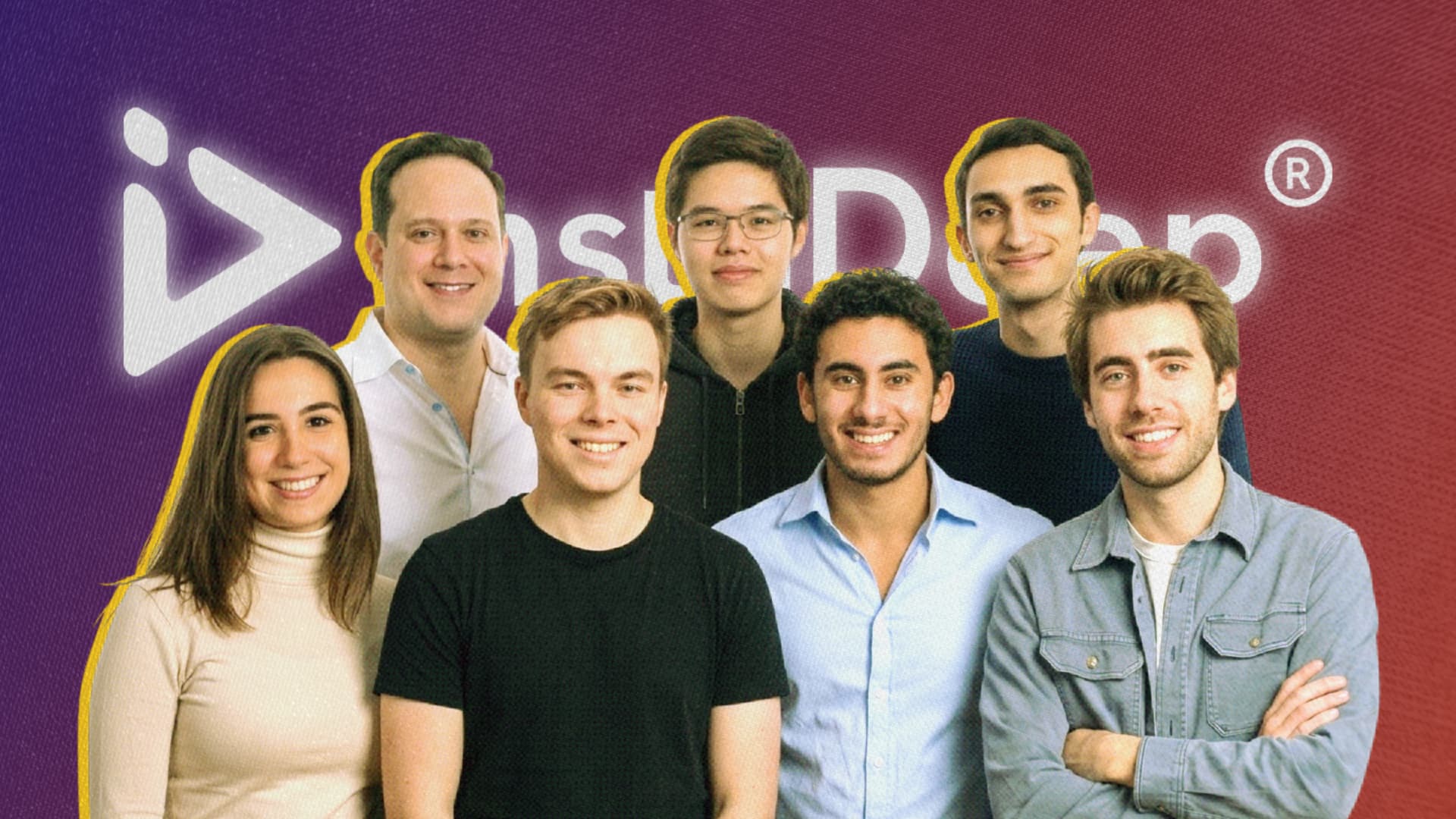
In 2023, InstaDeep, the Tunisian-founded AI company, was acquired by BioNTech, the German pharmaceutical company known for its work on cancer treatments and mRNA vaccines.
The deal brought InstaDeep’s technology and approximately 290 employees into BioNTech’s global business. BioNTech paid around £362 million upfront in cash and shares, making it one of the largest exits involving an African-founded startup. A further £200 million could be paid if certain performance targets are met.
For some of the employees who helped build InstaDeep, the acquisition marked the beginning of a new chapter. Condia identified several former employees and executives who have since gone on to launch their own businesses. Their ventures span areas including AI research, healthcare, legal tech, drones and wholesale distribution.
Condia did not contact the individuals featured. If there are any startups we have missed, email us at editor@thecondia.com.
Hamza Benchekroun, co-founder Remanence
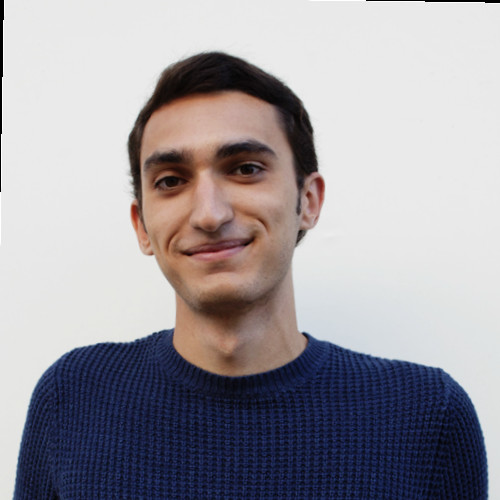
Hamza Benchekroun is one of the former InstaDeep employees who has gone on to start another AI company. In November 2026, he and his co-founders announced that Remanence had raised $30 million in seed funding. The Paris-based startup works on reinforcement learning technology for businesses.
Benchekroun started Remanence with Pierre-Louis Cedoz and Axel Moyal. It helps businesses build AI models that get better the more they’re used.
When AI agents carry out tasks, Remanence collects information about the tools they use, the mistakes they make and the corrections they receive. That information can then help train models to understand how each business works. FirstMark and EQT Ventures led the funding round.
Alexandre Laterre, co-founder Ineffable Intelligence
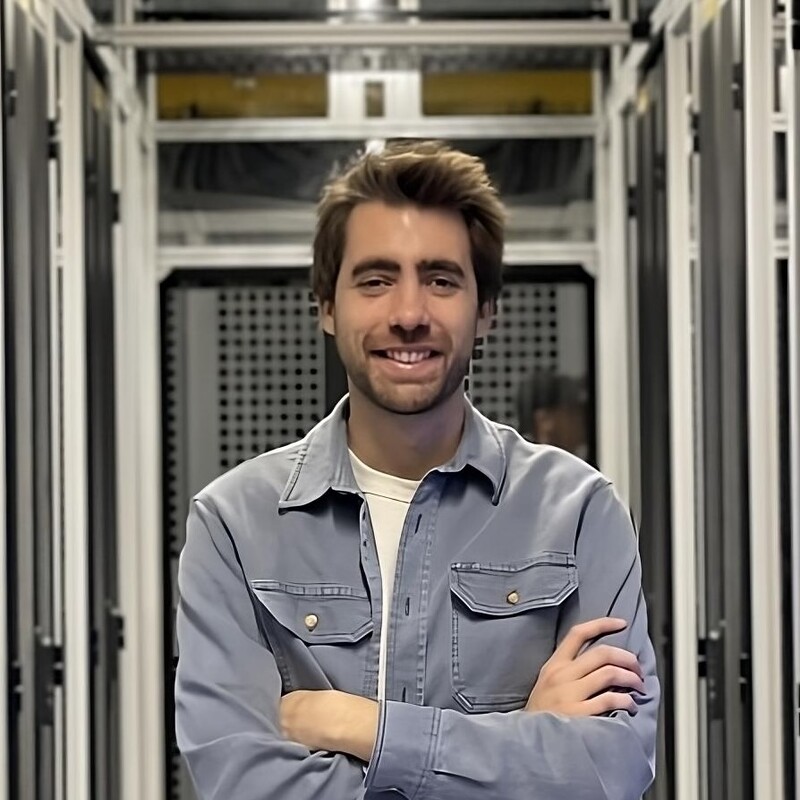
Alexandre Laterre left InstaDeep to help start Ineffable Intelligence in September 2026. He was InstaDeep’s head of research before he left and joined Ineffable as one of six co-founders alongside former Google DeepMind researcher David Silver.
Silver is widely known for his work on AlphaGo, the AI system that defeated world champion Go player Lee Sedol in 2016.
Based in London, Ineffable is working on what it calls a ‘superlearner’. The idea is to build an AI system that can learn without depending mainly on examples provided by humans. It’s an ambitious goal that has already earned support from Sequoia Capital and Lightspeed Venture Partners in a $1.1 billion seed funding that valued the company at $5.1 billion.
Chris Parsonson, co-founder Solve Intelligence
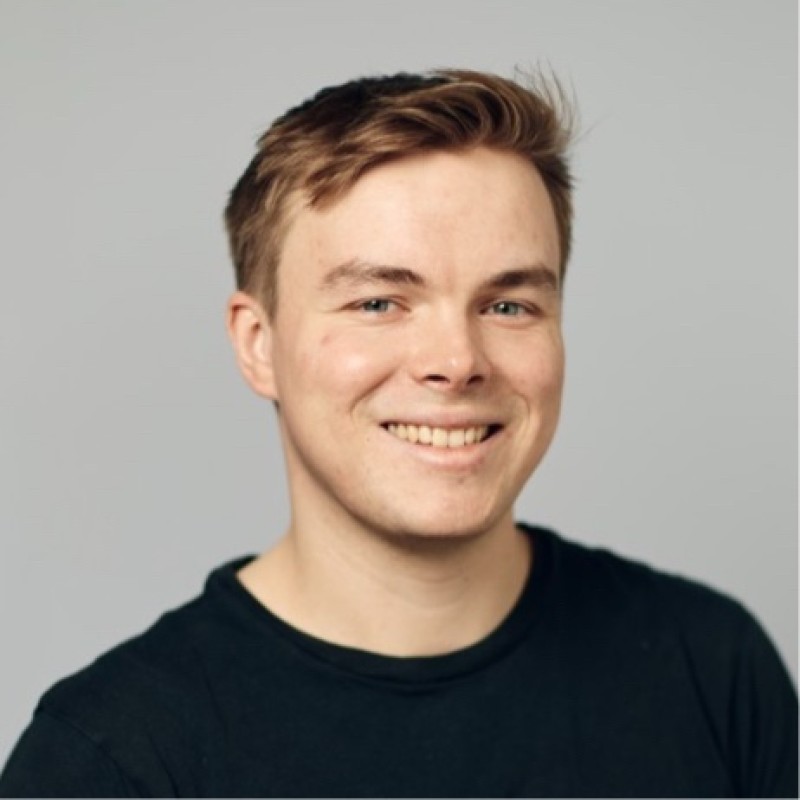
Chris Parsonson was a researcher at InstaDeep before he started Solve Intelligence in 2023 with Sanj Ahilan and Angus Parsonson.
The startup uses AI to help lawyers draft patent applications, review documents and handle other parts of the patent process. It’s already being used by more than 700 intellectual property teams across six continents, the company says.
Solve has raised $55 million in total funding, including a $40 million Series B announced in December 2025.
Leon Yao, co-founder Whitespace
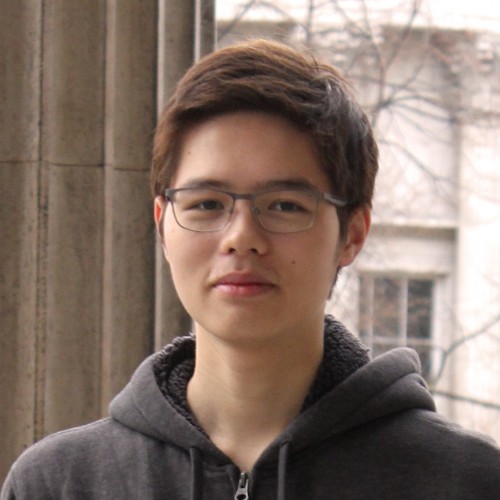
Leon Yao worked on AI products for large supply chain and logistics companies at InstaDeep. In 2026, he teamed up with Alex Tung to start Whitespace. Yao is the CTO, while Tung leads the business.
Whitespace works on wholesale distribution, an industry its founders say is worth $60 trillion globally. Many distributors still rely on employees to move orders from emails into spreadsheets and business software, keep track of stock and respond to customer requests.

Whitespace is building AI agents to take on these tasks. They connect to a company’s existing systems and learn how the business operates.
Before Whitespace, Tung worked at Boston Consulting Group. He also helped grow another startup past $1 million in yearly revenue in less than a year. Whitespace joined Y Combinator’s Summer 2026 programme and is already working with distributors in industrial supplies and building materials.
Elia Saquand, co-founder VibeFlow

Elia Saquand’s work at InstaDeep included research that made AlphaFold training ten times faster while maintaining 95% accuracy. AlphaFold is an AI system developed by Google DeepMind to predict protein structures. Saquand has also done research at Stanford and Sony AI.
In 2025, he teamed up with Alessia Paccagnella to start VibeFlow. The startup provides an AI content manager for businesses. It learns a company’s brand, voice and marketing goals, then uses that information to create posts and visuals ready for publication.
VibeFlow joined Y Combinator’s Summer 2025 batch and reportedly raised $500,000 in pre-seed funding in September that year.
Aziz Hanafi, founder Degla
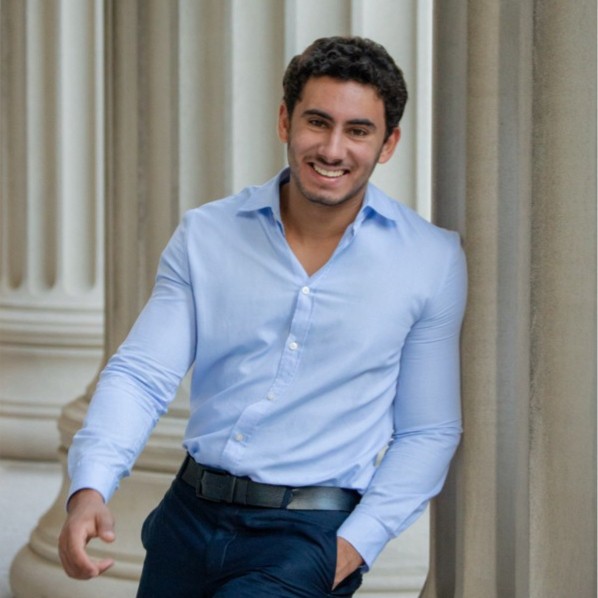
Aziz Hanafi worked on AI systems for coordinating autonomous machines at InstaDeep. He went on to start Degla AI in 2026.
Degla builds software that turns plain language into instructions for multiple autonomous drones. The software can plan missions, share tasks among aircraft and adjust operations when a drone runs into a problem. It is built for search and rescue, emergency response and infrastructure inspection.
Hanafi studied computer science at the Massachusetts Institute of Technology (MIT). Before Degla, he also started UChallengeMe, a social platform that attracted more than 10,000 users organically. Degla joined Y Combinator’s Fall 2026 batch.
The funding figures reported for Degla differ: Dealroom lists a $125,000 investment from the accelerator, while Tracxn puts the company’s total funding at $500,000.
Ryan Richardson, co-founder Bios Life

Ryan Richardson’s connection to InstaDeep came through its leadership. He spent six years as Chief Strategy Officer at BioNTech and chaired InstaDeep for three and a half years before starting Bios Life with Zach Taylor and Dr Logan Frank.
Bios Life raised $25 million in seed funding in August 2026. It’s building AI technology for cancer surveillance. The idea is to bring together genomic, clinical and lifestyle information to create models that keep updating as more information about a patient becomes available.
There’s another InstaDeep connection here. Its AI research is led by Dr Thomas Pierrot, who previously headed InstaDeep’s genomics AI research programme.
Bios Life holds the commercial rights to InstaDeep’s Nucleotide Transformer, a genomics foundation model. It has also signed a multi-year partnership with Tempus to train and validate its AI models using de-identified oncology data. Redmile, Vsquared Ventures and Kindred Capital are some of its investors.
Last updated: November 19, 2026