

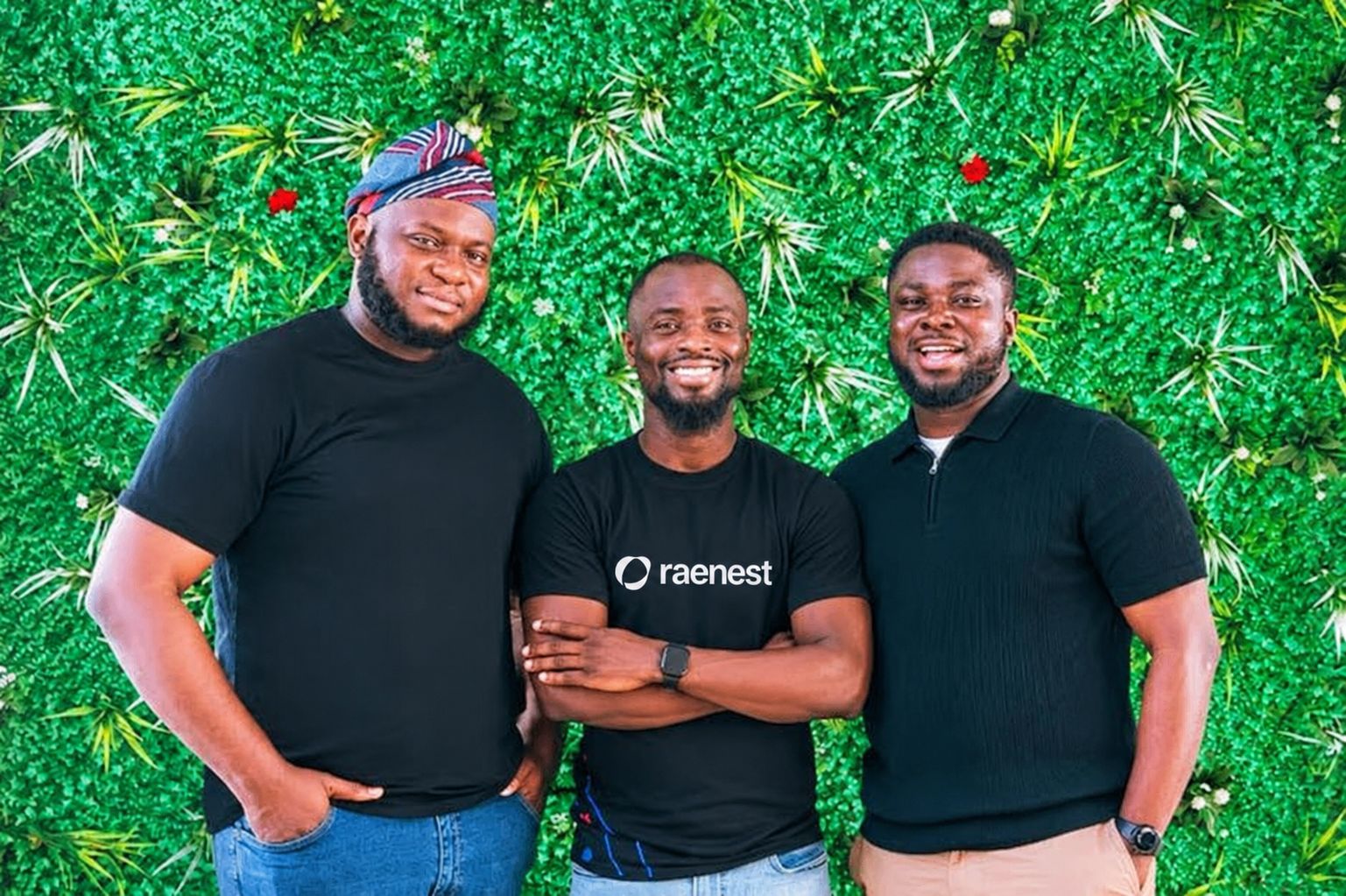
Raenest, a Nigerian fintech, has completed the acquisition of Remitise, a UK-based payments company, for an undisclosed amount.
Most fintech companies expanding internationally typically start with partnerships with local financial institutions. This allows them to meet local regulatory requirements while quickly understanding the lay of the land. However, it also means they are dependent on the efficiency of a third party.
In recent years, African fintechs have increasingly opted to acquire local players in a bid to establish greater control over the user experience. In 2025, LemFi acquired Pillar to add credit to its offering before acquiring Wealth8 in 2026 as it moved into wealth management.
“Acquiring Remitise is part of our long-term strategy to build a global financial company. We want to own more of the infrastructure behind our products, deepen our relationships with financial institutions and create a stronger foundation for the customers and businesses we serve,” Victor Alade, Raenest’s CEO, said in a statement shared with Condia.
The acquisition builds on Raenest’s regulatory footprint and includes a money services business (MSB) and payment service provider (PSP) licence in Canada, as well as an international money transfer operator licence in Nigeria.
Remitise was incorporated in the UK in 2017, according to Companies House filings, and had a Nigerian connection, with several of its directors appearing to hold dual nationality.
In 2025, Raenest raised $11 million in Series A funding, which it said would support international market and product expansion.
Since then, it has expanded into the United States, India and Pakistan, countries with significant freelancing populations. It has also added stablecoin payments and stock investments, allowing it to provide more value to customers and retain more value within its ecosystem.
Founded in 2022 by Alade, Richard Oyome and Soldrudeen Mustapha, Raenest now serves over one million customers across more than 50 countries. Its cumulative payment volume has also risen to $2 billion, with roughly half of that volume generated in the last year alone.
People in this article

Last updated: November 10, 2026