
The Government of Uganda is the latest jurisdiction to give the nod to Elon Musk’s Starlink, as Uganda’s Communication Commission (UCC) signed an MOU and an operational licence agreement with the Internet Service Provider (ISP).
The UCC announced that it signed an MOU and a licence agreement with Starlink on Friday, allowing the Elon Musk-owned company to offer its low-earth-orbit (LEO) satellite internet service in the East African country.
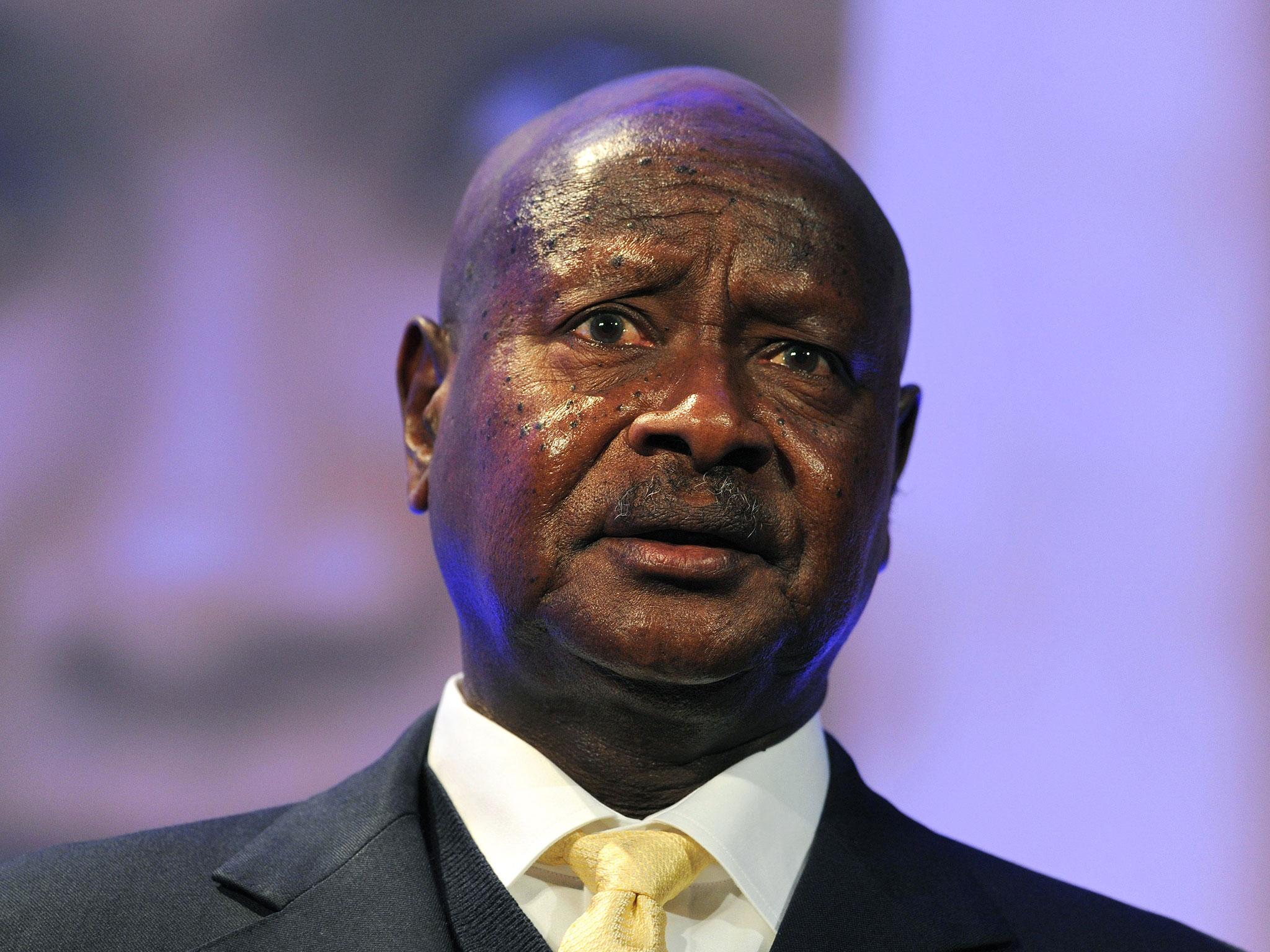
The Ugandan President, Yoweri Museveni, witnessed and acknowledged the agreement, stating that the country is prioritising security, revenue assurance, and proper accountability in its telecommunications sector.
The UCC, in a public notice, described the coming on board of Starlink in the country as a milestone in the country’s digital transformation, expanding consumer choice, stimulating competition, and helping address coverage gaps that terrestrial networks have failed to close.
Starlink is now active in over 20 african countries, with Zimbabwe, Mozambique, Botswana, Nigeria, Kenya, and Rwanda as some of its biggest markets on the continent. Surprisingly, South Africa, Elon Musk’s country of birth, has yet to approve the service for some strange reasons.
UCC Claims Licensing Review was Thorough and Comprehensive
The Ugandan Communications Commission, in its public statement, claimed that the licensing review, which led to Starlink getting the nod, was careful and comprehensive. Factors considered include consumer protection, lawful interception obligations, data protection, network integrity, revenue assurance, and operational accountability.
The Starlink approval followed a regulatory rift between the country and the ISP, as Starlink’s terminals have been finding their way into the country via its International Roaming feature. Ugandan authorities also raised security concerns ahead of the 2026 general elections in the East African Country.
Ugandan Authorities seized imported Starlink kits, demanding a security clearance, and Starlink eventually shut off its services in the country as the rift worsened. The licence review and agreement between the two entities has obviously put an end to that episode.
Starlink has gained wide acceptance in Africa, and its most populous country, Nigeria. At the time of this report, a standard Starlink kit costs about N590,000, with a mini kit at N318,000. This is a little on the high side. However, remote workers, organisations, and medium-sized business owners in need of stable internet dont mind parting with the sum as long as it delivers on its promise.
Last updated: May 18, 2026