
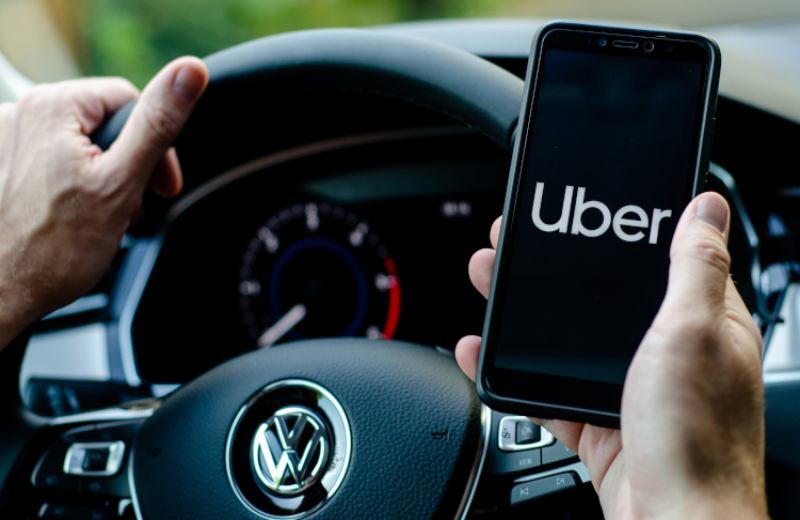
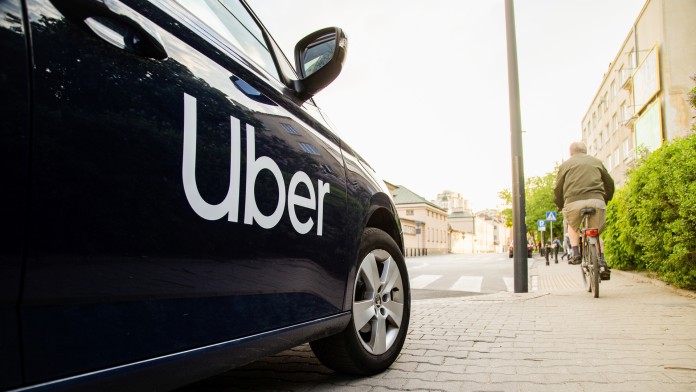
Nigeria’s Federal Competition and Consumer Protection Commission, FCCPC, has opened a probe into Uber, four days after the ride-hailing company shut down its local operations without warning. The FCCPC Uber probe in Nigeria centres on how Uber left, not why it left.
FCCPC Executive Vice Chairman Tunji Bello confirmed the inquiry in a text message reported by Bloomberg on Sunday. “We are looking into the manner of their exit, particularly in respect of unfulfilled services to the customers,” he said.
The commission is not questioning Uber’s right to leave Nigeria but what Uber owed the people still inside its system when it did.
That system, as of September 2, still held active in-app wallet balances, pre-funded ride credits, and trips that riders had booked but never completed. Enterprise clients under Uber for Business reportedly received no advance notice either.
Sections 120, 123, and 124 of the Federal Competition and Consumer Protection Act 2018 give the commission authority to penalise unfair commercial conduct, including abrupt service shutdowns that leave consumers without recourse. Winding down a business in Nigeria does not erase the obligations that business accrued while it was active, and the FCCPC appears set on testing exactly how far that principle extends.
Uber told staff the decision followed a global review that cut roughly 3,300 jobs, about 10% of its workforce, and it explicitly denied any connection to the Federal Airports Authority of Nigeria’s earlier restrictions on ride-hailing pickups at Nigerian airports.
Uber has also said the Nigeria and Uganda exits are isolated decisions that will not affect its operations elsewhere on the continent, where it still runs in Egypt, Ghana, Kenya and South Africa.
Read also: FAAN apologises for airport taxi chaos, but key questions remain unanswered
While the FCCPC examines what Uber owes riders, the company has already started settling with some drivers directly. A driver confirmed to this reporter that Uber already credited some drivers’ accounts with about ₦40,000, tagged in the app as a “Promotion, Goodwill Gesture.”
Not every driver received the same amount – some have not received any at all, possibly due to debt on their timeline, according to a driver who spoke to this reporter. Uber told drivers the eligibility bar required three to six months of recent activity on the platform.
The company has separately stated that the payment sits outside normal earnings, does not affect a driver’s status as an independent contractor, and comes with a confidentiality condition attached.
Meanwhile, if the FCCPC finds Uber in breach, the commission can impose administrative fines of up to 10% of the company’s prior year turnover in Nigeria, along with orders compelling full consumer refunds. Uber would retain the right to contest any finding before the Competition and Consumer Protection Tribunal or the Federal High Court, a process that could run well past Uber’s own September 23 support cutoff.
The immediate market effect is already visible. Bolt and InDrive are absorbing much of Nigeria’s estimated fleet of over ~20,000 displaced drivers, while local platforms like Lagride look to pick up whatever share remains.
Last updated: September 8, 2026