
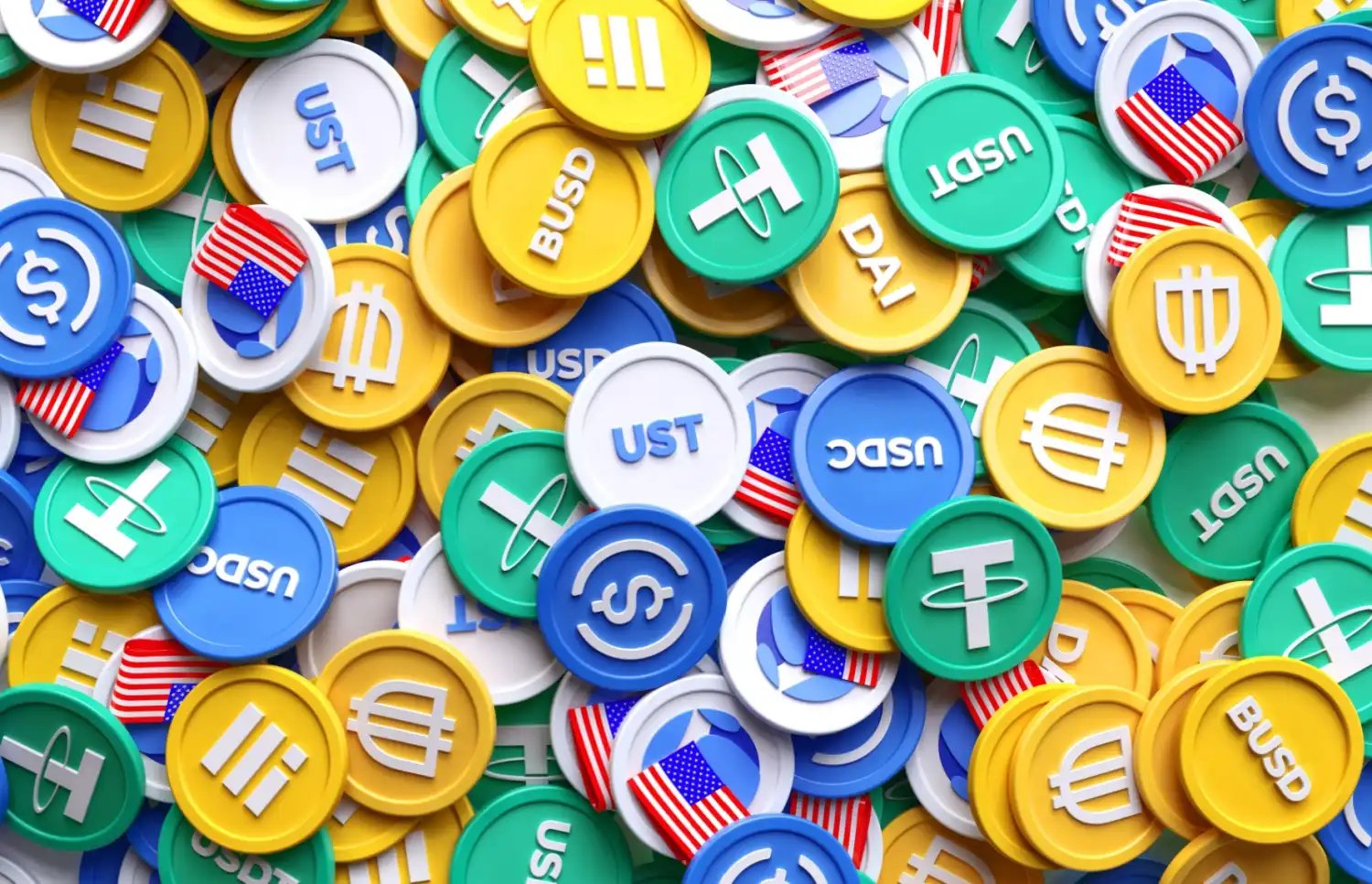
Nigerians are turning to stablecoins to protect their money from currency devaluation and make payments faster. The safest way to buy stablecoins like USDT and USDC in Nigeria is through licensed platforms that offer direct naira deposits and hold proof-of-reserves audits, such as Bybit, Luno, or Nigerian-licensed apps like Quidax.
With the naira losing value against the dollar for years, more people are moving their savings into digital assets that hold a steady price.
This guide walks you through the top 10 platforms for buying stablecoins in Nigeria in 2026. You will learn which apps offer naira deposits, how to check if a platform is trustworthy, and what fees to expect. You will also get answers to common questions about Tether, USD Coin, DAI, and how these coins can help with international payments.
Key takeaways
- Stablecoins give you a way to guard your money against naira depreciation.
- Nigerian platforms and global exchanges each offer different ways to fund your account with naira.
- Checking safety features like proof-of-reserves and licensing helps you choose a trustworthy exchange.
Best Platforms to Buy Stablecoins in Naira
Several Nigerian crypto exchanges let you buy stablecoins directly with naira through bank transfers or mobile money, without needing a domiciliary account. The rising interest in stablecoins has also been a major talk point in recent times. Each platform offering stablecoins has its own strengths in fees, speed, and identity verification, so you should match the choice to what matters most to you.
1. Busha: Best for Simple Naira-to-Stablecoin Purchases
Busha is a Nigerian digital asset exchange that lets users buy, sell, and hold cryptocurrencies and stablecoins. It supports direct naira deposits and withdrawals, making it useful for Nigerians who want to move between naira and digital assets without relying on peer-to-peer marketplaces.
Busha supports major stablecoins including USDT and USDC. Users can buy and sell USDT directly, while USDC is also available for deposits and withdrawals across supported networks.
The platform is listed by Nigeria’s Securities and Exchange Commission as a Digital Assets Exchange participating in the Accelerated Regulatory Incubation Programme (ARIP). This gives Busha an important regulatory position in Nigeria’s developing crypto market. However, ARIP participation should not be confused with a final SEC licence.
For Nigerian users, one of Busha’s biggest advantages is its local payment infrastructure. Users can fund their accounts through Nigerian bank transfers and withdraw funds directly to registered Nigerian bank accounts.
Busha is a good option if you want a Nigerian-focused platform with naira access, stablecoin support, and a straightforward buying and selling experience.
2. Quidax: Regulated naira access for USDT
Quidax is a Nigerian digital asset exchange that allows users to buy, sell, and trade cryptocurrencies and stablecoins with naira.
The platform is listed by the Securities and Exchange Commission as a Digital Assets Exchange participating in the Accelerated Regulatory Incubation Programme (ARIP). Like Busha, this should be described as participation in a regulatory programme rather than a final SEC licence.
Quidax supports stablecoins such as USDT and provides Nigerian users with local naira access. Its focus on the Nigerian market makes it particularly relevant for users who want to buy crypto without navigating a foreign exchange platform.
For beginners, Quidax offers a relatively simple way to move from naira into digital assets while completing the required identity verification.
Identity verification requires your BVN, which aligns with anti-money laundering rules under Nigeria’s crypto framework and SEC guidelines. Quidax supports spot trading across multiple trading pairs, so you’re not limited to just one stablecoin.
Naira liquidity tends to be steady, meaning your orders fill without major delays. Customer support is available if you run into deposit or withdrawal issues, which is useful if you’re new to crypto exchanges in Nigeria.
3. CoinStick: Beginner-friendly stablecoin platform
CoinStick focuses on making stablecoin purchases simple, especially if you’re not familiar with blockchain networks or wallet addresses. The platform supports major stablecoins, including USDT, USDC, DAI, and others, and lets you convert them to naira in your bank account in under 9 seconds.
You’ll need to choose a network like Tron, Ethereum, or Solana when sending your stablecoins, and matching the network correctly is critical. Sending Tron-based USDT to an Ethereum address, for example, can result in permanent loss of funds.
CoinStick displays live exchange rates that are updated every few seconds, so you know the naira value before confirming a transaction. This works well if you frequently move stablecoins into naira and want a fast, straightforward process without complicated trading interfaces.
4. Breet: Fast crypto-to-naira conversion
Breet ranks among the top crypto exchanges in Nigeria for converting stablecoins and other digital assets into naira quickly. You can sell USDT, USDC, BTC, and altcoins, with payouts landing in your bank account or mobile money wallet like OPay or PalmPay.
The platform emphasises speed and low fees, which matters if you’re doing frequent small transactions. Breet also appears among the top sites to buy USDC in Nigeria, giving you flexibility beyond USDT alone.
Identity verification follows standard Nigerian exchange practices, requiring your BVN and basic personal details. This keeps the platform aligned with AML requirements while still processing transactions fast enough for everyday use.
5. Roqqu: Local trading and wallet features
Roqqu combines a trading platform with wallet features, letting you hold, buy, and swap stablecoins alongside altcoins and major coins like XRP and Bitcoin. Naira deposits work through bank transfers, and you can also use mobile money services for smaller transactions.
The platform supports multiple trading pairs, so you can move between USDT, USDC, and other assets without converting back to naira each time. This flexibility helps if you’re managing a diversified crypto position rather than a single stablecoin holding.
Fees on Roqqu include maker and taker structures, so understanding which side of the trade you’re on affects your total cost. Slippage can occur during volatile periods, so checking your final trade price before confirming is a good practice.
6. Yellow Card: Best for Stablecoin Payments Across Africa
Yellow Card is an Africa-focused digital asset and payments infrastructure company that helps businesses access, move, and manage stablecoins and fiat currencies across emerging markets.
The company supports stablecoin transactions across multiple blockchains and connects businesses to more than 50 local currencies. Its infrastructure is designed for cross-border payments, treasury management, and moving money between local and global financial systems. Yellow Card says it has processed more than $10 billion in volume and operates across more than 60 countries.
For Nigerian users, Yellow Card is particularly relevant because of its focus on stablecoins and cross-border money movement. It has also worked with partners such as Coinbase to expand USDC access across African markets.
Yellow Card is a stronger choice for businesses and users looking beyond simple crypto trading. Its infrastructure supports stablecoin payments, fiat conversion, treasury operations, and international money movement.
Best for: Cross-border payments, businesses, stablecoin transfers, and users who need to move money across African markets.
7. Binance: Liquidity, Binance P2P, and Binance Earn
Binance is the largest centralised exchange by trading volume, and it offers deep liquidity for most stablecoin pairs. This matters because higher liquidity means less slippage when you place large orders.
Binance P2P lets you trade naira directly for USDT through bank transfers, using an escrow system that holds funds until both sides confirm the trade. This reduces the risk of p2p scams, but you should still check a seller’s completion rate and reviews first.
Binance Earn offers staking products with published APY rates, and you can also hold BNB for fee discounts. Binance publishes proof of reserves and maintains a SAFU fund to cover certain losses from security breaches, which adds a layer of protection for Nigerian crypto investors.
8. OKX: Spot markets, wallets, and DeFi access
OKX runs a large spot trading market with competitive maker fees and taker fees on major stablecoin pairs. You can compare these fees against other platforms before committing to one exchange.
The OKX Wallet connects to DeFi protocols like Aave and networks such as Base, so you can move funds beyond the exchange itself. This gives you more control if you want to explore lending or yield outside of centralised trading.
OKX also supports 2FA through apps like Google Authenticator, plus withdrawal whitelists and encryption for account data. If you plan to hold funds long-term, pairing your OKX account with a hardware wallet or a mobile option like Zengo adds extra security.
9. Bybit: Trading tools and risk limits
Bybit is known for its futures trading tools, but it also supports straightforward spot trading for stablecoins like USDT and USDC. You can set stop-loss and take-profit limits to manage risk, which is useful if you’re new to leveraged products.
The platform lists transparent fees for both makers and takers, so you know your costs upfront. Bybit also publishes proof of reserves, letting you verify that customer deposits are backed one-to-one.
Account protection includes 2FA and withdrawal address whitelisting. Given Nigeria’s evolving crypto regulation landscape, it’s worth double-checking that any platform you use still supports Nigerian users before you deposit funds.
10. Luno: Best for Simple Crypto Trading
Luno is a global cryptocurrency platform with a long-standing presence in Nigeria. It allows users to buy, sell, trade, and store digital assets through its exchange and mobile platform. Luno currently serves more than 15 million customers globally.
For Nigerians looking to buy stablecoins, Luno supports both USDT and USDC markets, giving users a way to move between naira and dollar-pegged digital assets. USDT and USDC can also be converted back to naira through supported trading and withdrawal options.
Luno also provides features such as proof of reserves, security controls, and compliance information, which can help users evaluate how the platform manages customer funds.
The platform is particularly useful for beginners who want a more traditional exchange experience rather than navigating P2P marketplaces. Its interface is designed around buying, selling, and holding crypto without requiring users to understand advanced trading tools.
Best for: Beginners, straightforward crypto trading, and Nigerians looking for an established exchange with USDT and USDC support.
Frequently asked questions
Which platforms are safest for buying stablecoins in Nigeria?
Look for platforms with strong security records, clear regulatory standing, and naira support. Quidax is one option that offers KYC verification tiers, instant swaps, order book trading, and P2P trading with verified merchants.
Which stablecoins are most reliable for Nigerian users?
USDT and USDC are the two most common choices among Nigerian crypto users. USDT has deep liquidity, which makes it easier to buy and sell quickly.
How can Nigerians buy USDT or USDC with naira safely?
Start by signing up on a trusted exchange and completing identity verification. Once verified, deposit naira directly from your bank account into your exchange wallet.
What fees should I expect when buying stablecoins on Nigerian crypto platforms?
Fees vary by platform and by the trading method you use. Instant swaps often carry a slightly higher fee for convenience, while order book trading may offer lower fees but requires more effort to set your price.
Last updated: August 20, 2026