
Two years after its acquisition, Brass is shutting down. Existing customers have two options: migrate to Paystack MFB or close their accounts by July 31, 2026.
“Paystack MFB is being built as a broader financial platform for businesses and individuals, so Brass business banking will become part of that wider platform,” Paystack told Condia.
“Since you’re an active Brass user, your business has been selected to migrate directly to Paystack MFB. If you choose to migrate, you’ll continue doing everything you currently do on Brass: managing accounts, running payments, and tracking your finances. Your full cash balance will be moved across once you migrate,” Brass stated in an email to active customers today.
How the migration process from Brass to Paystack MFB works
Brass customers who opt to migrate follow these three steps. First, Brass displays the customer’s new Paystack MFB account number. Second, the system exports account statements for the last three months to the customer’s registered email address. Finally, customers preview the migration details: Paystack MFB account number and available balances across all their Brass accounts. The transaction history of those Brass accounts does not get transferred to Paystack MFB.
Once customers click to complete migration, they get an email with a temporary password from Paystack MFB. They also get a link in their email to download their account statements. Afterwards, they lose access to the Brass platform, as their login details stop working.
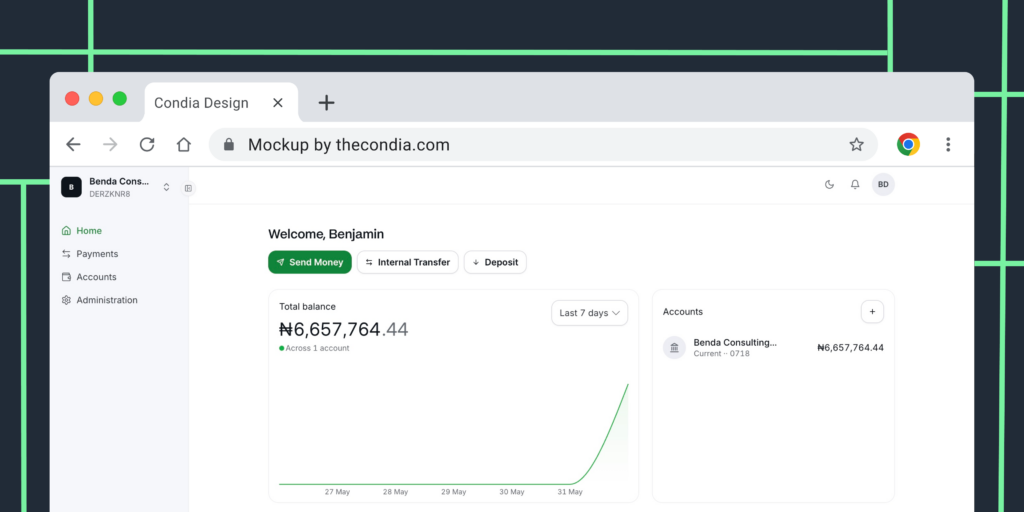
Currently, Paystack MFB web app simply offers accounts (including sub-accounts) and funds transfer. It also has some administrative functionality, like approval rules and audit logs. However, on its website, it lists near-term functionality like bulk transfers and virtual cards.
Why did this Brass-Paystack MFB transition happen
In May 2024, Paystack led a consortium that included PiggyVest, a prominent digital savings and investment platform, and Africa-focused fintech investors Ventures Platform and P1 Ventures, to acquire Brass after the business banking startup encountered difficulties. Paystack’s acquisition of Brass signalled an interest in banking after focusing on payments for almost a decade.
“The goal was to strengthen the company’s foundation and explore how Brass could evolve [within the broader Paystack ecosystem],” Paystack told Condia in an email [additional text added in Brass’ blogpost]. “Over the months that followed, the Brass team focused on rebuilding internal systems, improving operations, and continuing to support customers.”
Simultaneously, Paystack was making other complementary bets from within.
In March 2025, Paystack introduced Zap, a consumer app for quick transfers. It was initially aimed at diasporans, allowing funding from Apple Pay, which isn’t available in Nigeria, along with other popular local options. Zap is a good way for Paystack to show off the money movement capabilities and partnerships it has built over the years. However, Zap had a rocky start with a $160,000 fine from the CBN resolved in December 2025, and a trademark battle with Zap Africa.
Brass and Zap offer banking services to different customer segments, SMBs and individuals, respectively. With that, Paystack has signalled that it not only wants to expand from payments to banking, but from businesses to individuals too.
See also: Sycamore restructures into a holding company
Zoom out: The Stack Group’s strategic play
In January 2026, Paystack restructured into a holding company, The Stack Group, and the group announced its banking licence, alongside other subsidiaries.
The Stack Group’s banking subsidiary came from the acquisition of a newly licensed tier 2 unit microfinance bank, Ladder Microfinance Bank, which is strange. Usually, when fintechs seek to acquire an existing financial institution for their licence, they go for older institutions whose shareholders might be looking for an exit. For instance, Nomba’s Amucha Microfinance Bank was licensed in 2008. Contrast that to Paystack’s Ladder Microfinance Bank, which was licensed in October 2024, barely five months after Brass was acquired. So, it’s possible that the Ladder Microfinance Banking licence was secured for The Stack Group’s purpose.
Now that the Microfinance Bank licence is secured, it can legally power Brass business banking and Zap’s local banking functionality. However, that is not the case, as of now. “We’ll continue to evaluate how different products and services can best serve customers and merchants over time, but we don’t have any specific announcements to make beyond the Brass transition at this point,” Paystack told Condia when asked if Zap would soon be powered by Paystack MFB.
Notably, Zap’s naira wallet is not powered by Paystack-Titan, but a commercial bank, Fidelity Bank. As Condia wrote then, the bank account provider appeared to have changed following the debacle with the CBN on Zap’s launch.
Beyond powering consumers directly, the Paystack MFB can power virtual accounts used for payments and in wallet apps, which could be a threat to the Paystack-Titan banking relationship.
“Paystack MFB and Paystack Payments Limited operate as separate entities with different licences, infrastructure, and product focus areas. The transition of Brass business banking into Paystack MFB does not change the existing Paystack-Titan partnership. Paystack Payments Limited will continue to operate independently as a payments company, while Paystack MFB focuses on building banking products and infrastructure,” Paystack said.
With Brass’ migration to Paystack MFB, the Group has ticked two of its four boxes, completing an expansion from merchant payments to consumer and business banking. Up next, Condia awaits announcements on the AI and stablecoin plays from TSG Labs, its subsidiary for new ventures.
Last updated: June 2, 2026