




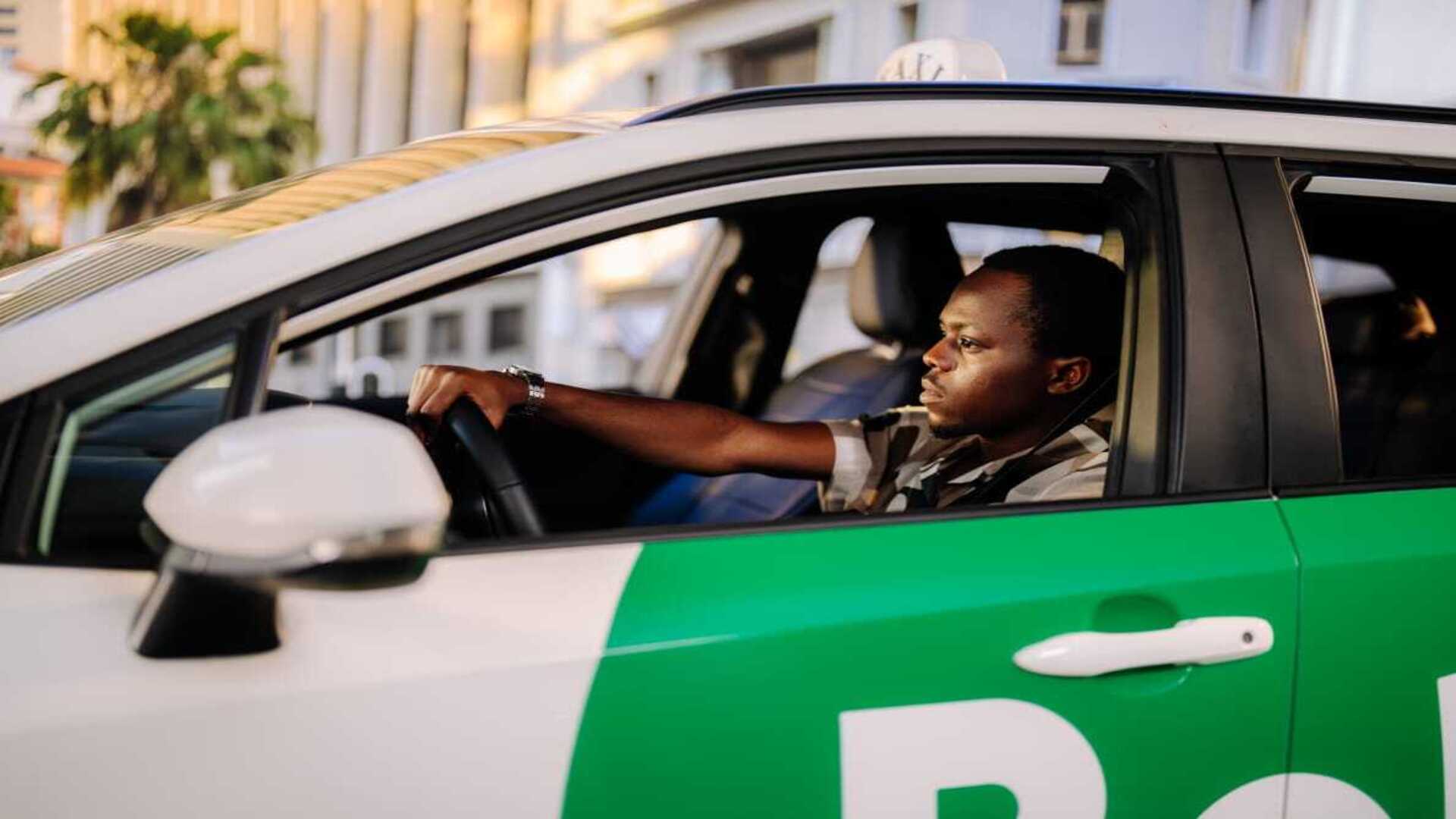
For two weeks, Emeje Prince has opened inDrive before Bolt. The driver keeps both apps on his phone, but says he now uses Bolt for airport runs where the fare is large enough to absorb the commission.
On short trips around town, he says inDrive pays better. “For now, I’m using my inDrive more,” he told Condia.
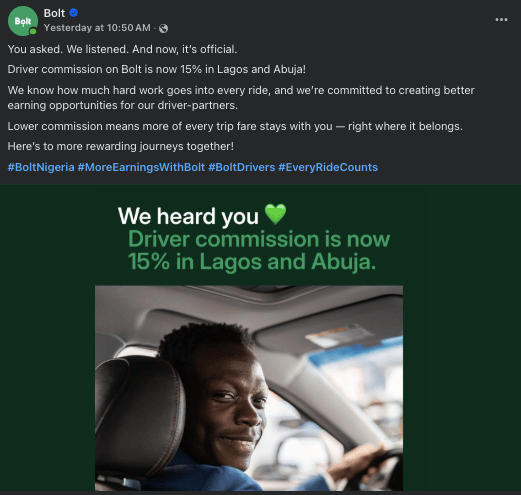
Bolt has now cut the commission it charges drivers in Lagos and Abuja to 15%, down from 20% in Lagos and 21% in Abuja. The reduction follows a four-day shutdown in October led by the Amalgamated Union of App-Based Transport Workers of Nigeria (AUATON), which pressed for a 10% commission and a review of fares.
It also arrives less than three months after Uber ended its Nigerian operations on September 2.
Drivers in both cities welcomed the cuts but insist on more.
“When you calculate everything, the thing is still at 20%,” Prince said. “So when we know that they are really working is when they bring it down to 10%.”
Until then, he said, some Lagos drivers will keep their Bolt apps switched off.
Commission cannot be read in isolation
Ileh Joseph, who drives in Abuja, says the 15% cannot be read in isolation because Bolt also charges a booking fee on each trip — 5% in Lagos and 2.5% in Abuja, and he believes it hands back much of what the cut takes away.
“People will say they will give you something with their left hand and take it back with their right hand.”
Osayon, another driver, also reads the timing with suspicion. “Christmas is fast approaching, so they are just devising a means to bring back drivers to their app,” he said.
A driver who asked not to be named shares that view. “Whenever their income is affected, they’ll make some adjustments to lure drivers,” the driver said. Another anonymous driver went further, calling the 15% “an insult” and predicting it would last only a few days.
Fares worry drivers as much as percentages do. Prince said a very long trip can cost him about ₦2,000 in Bolt commission, against a few hundred naira on inDrive for the same ride, adding that fares on inDrive are often 2x higher than fares on Bolt.
Collins said the commission structure itself is hard to follow, because a long trip attracts a lower rate, while a short trip can attract as much as 30%. “It didn’t make sense to me,” he said. He also reckons inDrive’s true take sits at around 12%, split between a 6.1% commission and a further 6.2% charge.
A third driver pointed to the discounts Bolt gives passengers. “Bolt’s discount to passengers is a very big loss to drivers,” he said, and arguing that “the market needs to be cross-checked.”
Drivers who feel unheard
The complaints go beyond money. One driver said the acceptance rate and driver rating system put drivers under pressure and warned against playing with drivers whom he referred to as the major stakeholders.
“You can’t keep forcing pilots to pick unreasonable rides,” he said.
Prince feels the imbalance in the way the company treats the two sides of its marketplace. “Bolt does not take us drivers seriously like they take their riders.”
Loyalty to other platforms has its limits, though. A driver who praised inDrive for handing out phones and televisions to drivers each year said he winces at the ₦9,000 airport fares he sees there.
Meanwhile, Bolt has previously adjusted what drivers pay through a bonus and a pilot rather than a flat cut.
In July 2024, it offered drivers a 15% kickback on the commission from their sixth trip of the day, with minimum acceptance and completion rates attached. In July 2025, it confirmed that it was piloting a dynamic commission model in Lagos, where some drivers reported rates as low as 7.5%.
Bolt had said earlier that commissions should not be debated in isolation, noting that drivers keep more than 75% of each fare.
For Prince, Bolt stays on his phone for the airport, and other trips go to inDrive until the number on his receipt reads 10%.
Last updated: November 28, 2026