

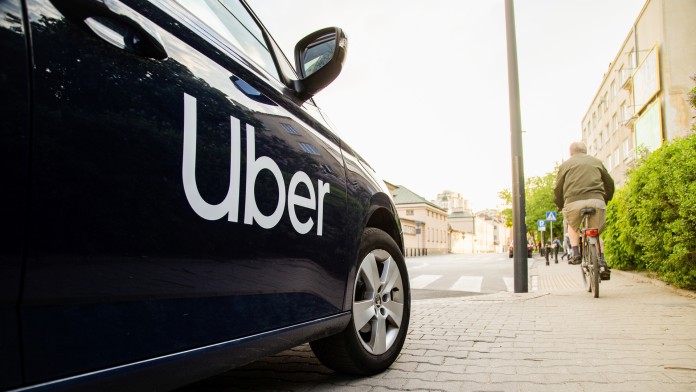
After 12 years and millions of rides completed, Uber is set to end its operations in Nigeria. In an email sent to users, the company said it had made the decision after reviewing its business in the country.
“After a thorough review of our business, we have made the tough decision to wind down our operations in Nigeria, effective 2 September 2026,” the email read.
Uber launched in Nigeria in 2014, becoming one of the first major companies to help establish the country’s modern ride-hailing industry. Its arrival introduced a new way for Nigerians to request and pay for rides, while also creating an additional income opportunity for drivers.
The company is also exiting Uganda, a market it entered two years after Nigeria, citing similar reasons for its decision. Uber’s abrupt exit comes as it makes company-wide changes aimed at improving efficiency and creating cost savings.
The company is reducing its team size by about 10%, with about 3,300 employees being laid off. It is also eliminating some roles, especially those focused on coordination.
“We have tremendous momentum, significant financial capacity, and opportunities in front of us that are larger than at any point since I joined the company. The decisions we’re making today are difficult, but they will help us build an even stronger Uber for the years ahead,” a message from CEO Dara Khosrowshahi read.
For several years, Uber was the dominant player in Nigeria’s ride-hailing market. Its relatively strict driver onboarding and vehicle requirements helped it build a reputation for reliability and safety among riders.
However, the company’s position has weakened in recent years as competition intensified. Bolt and inDrive steadily gained ground, offering alternatives that appealed to price-conscious consumers. Bolt competed aggressively on pricing, while inDrive differentiated itself by allowing riders and drivers to negotiate fares.
Read more: Bolt becomes Nigeria’s most downloaded ride-hailing app, beating its peers
Uber operated both ride-hailing and delivery services in Nigeria during its time in the market. Although the company has generally disclosed limited country-level operating data, it said in 2017 that it had nearly 300,000 riders and around 7,000 drivers in Nigeria.
Its departure marks a significant moment for Nigeria’s ride-hailing industry. The company that helped introduce app-based ride-hailing at scale is now leaving a market that has become increasingly competitive.
Last updated: September 3, 2026