

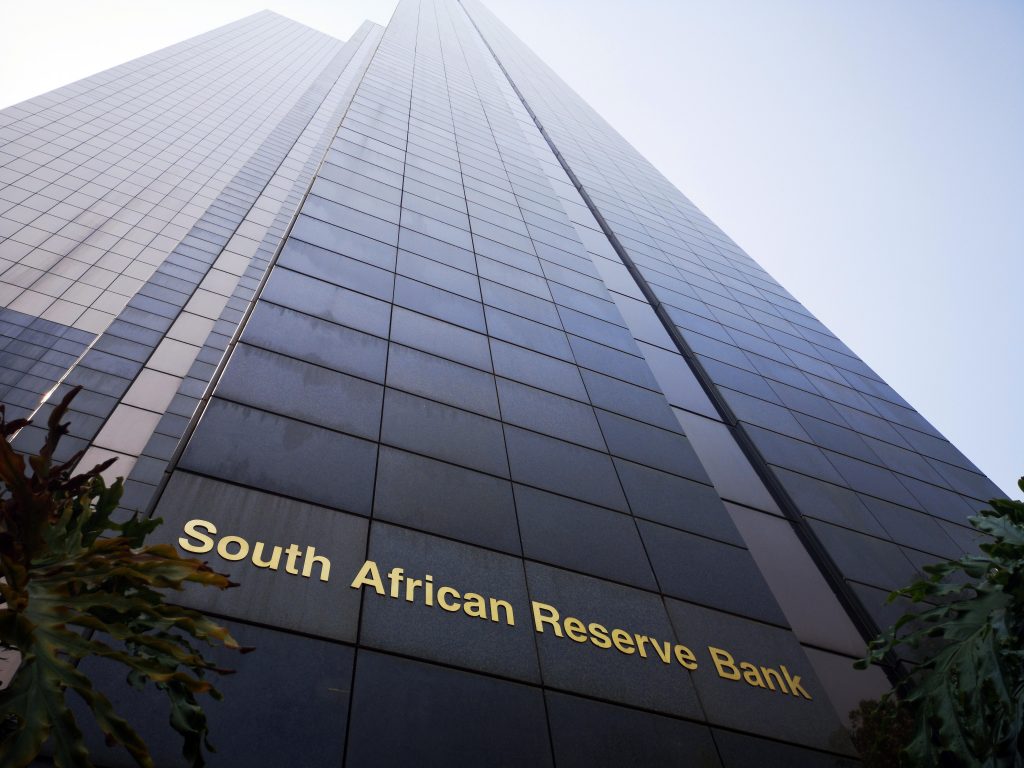
The South African Reserve Bank (SARB) has begun the process of withdrawing its recognition of the Payments Association of South Africa (PASA) as the country’s Payment System Management Body (PSMB).
PASA was established in 1996 as a self-regulatory body responsible for organising, managing and regulating participation in South Africa’s National Payment System. It was formally recognised by the SARB in 1999, with its membership comprising banks and a small number of non-bank payment providers.
According to the central bank, the decision is part of a broader effort to modernise the country’s payments system and strengthen its reliability, resilience and oversight.
As part of the transition, some of PASA’s functions, employees and intellectual property will move to the SARB from today, while others will be transferred to PayInc, the industry’s payment clearing company. The transition is expected to be completed by 2 September 2026.
“The transition will not affect the ability of consumers and businesses to make or receive payments. Everyday payment services, including card payments, electronic transfers, debit orders and automated teller machine (ATM) withdrawals, will continue to operate as normal,” the SARB said.
Under the new structure, the SARB will assume responsibility for regulatory and authorisation functions, including card interoperability, high-value Payment Clearing House (PCH) activities, ecosystem-wide risk and resilience management, and oversight of payment standards such as MyStandards, a payment messaging standard.
PayInc will take over the operational management of several retail payment streams, including credit and debit electronic funds transfers (EFTs), real-time clearing arrangements, PayShap, and authenticated collections.
Employees whose roles are tied to the functions moving to either the SARB or PayInc will transfer to the respective organisations. The central bank did not specify what will happen to employees whose roles are not part of the transition.
Last updated: August 11, 2026