

Stablecoins now account for 43% of all crypto transaction volume in sub-Saharan Africa. The global market crossed $300 billion in early 2026. Daily settlement volumes surpass $150 billion. And yet, inside the institutions that should be moving fastest, the most common response is still hesitation. Not because the technology isn’t ready, but because the people, processes, and frameworks around it aren’t.
That is the gap the series aims to bridge. Not through keynotes or broadcast panels, but through eight cities, intimate rooms, and the kind of conversations that only happen when operators, builders, and policymakers trust they can exchange ideas with candour.
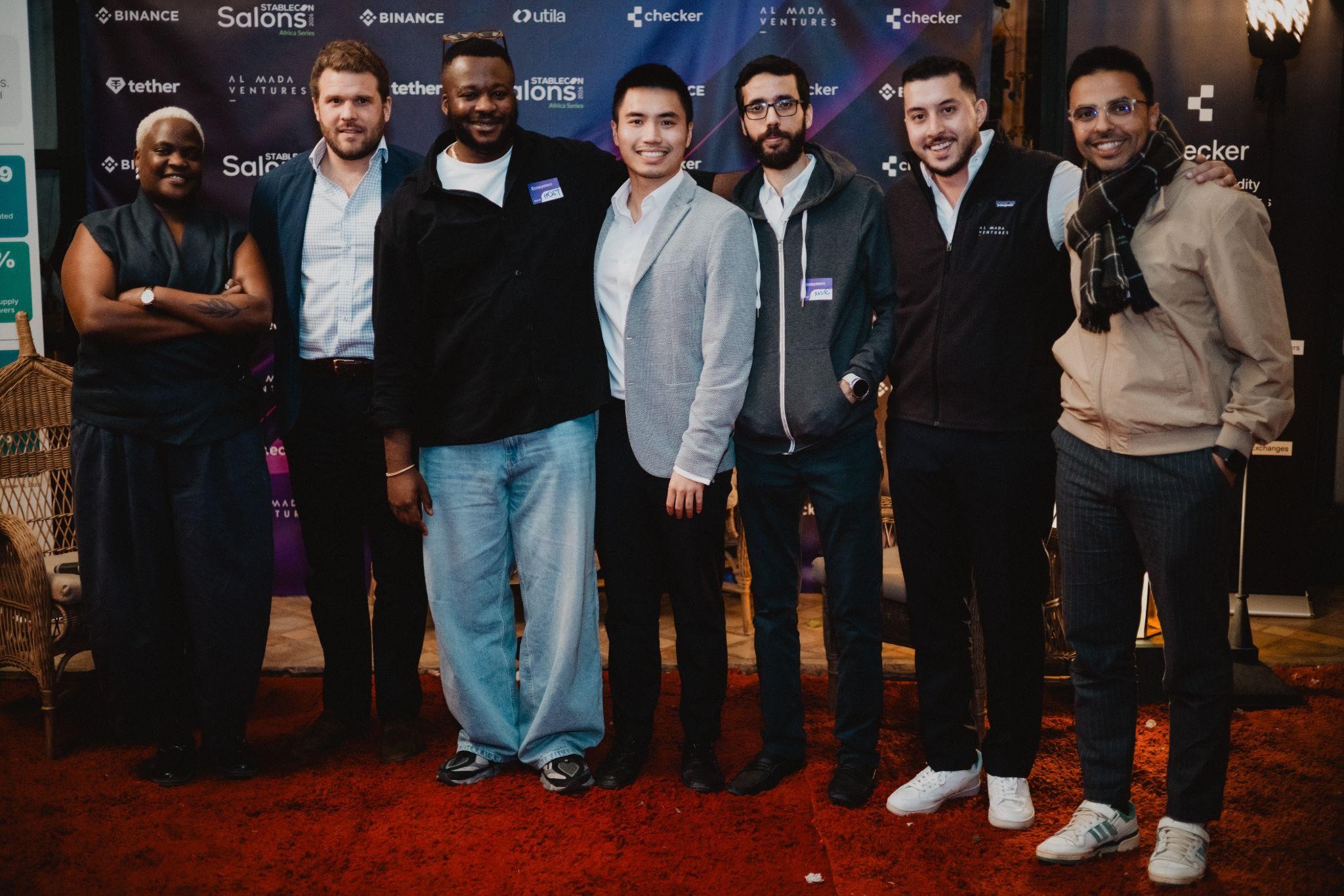
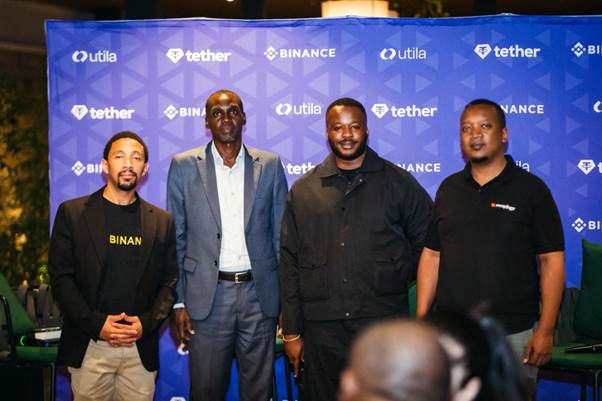
Three cities in; Nairobi, Kigali, and Marrakech, the series has produced something more useful than a highlight reel. It has built relationships and produced an honest diagnosis of where stablecoin adoption in Africa actually stands, city by city, institution by institution.
These Conversations have been powered by Checker, Binance, Tether, Utila and Al Mada Ventures.
Nairobi: The Regulation Is Done. The Harder Work Has Begun.
Kenya’s VASP Act was already operational when the first edition convened. The room wasn’t debating whether stablecoins worked. It was sitting with a more difficult question: what does it actually take to reorganise an institution around infrastructure that behaves nothing like what came before it?
You May Also Like: Send App by Flutterwave Named Headline Sponsor of EbonyLife Place London Launch as Flutterwave Becomes Exclusive Payments Partner
Joan Gachanja, FX Manager Africa at Thunes, gave the room its clearest moment. When her company shifted to stablecoin-settled flows, the surprise wasn’t friction; it was the opposite. Treasury, she explained, stops being cyclical and becomes real-time. Technology wasn’t the obstacle. Her team’s entire operational model had been built around the constraints of the old system, the float buffers, the timing windows, and the assumption that money moves in banking-hour cycles. When those constraints disappeared, the model had to change with them.
Nairobi’s finding: regulatory clarity is necessary but not sufficient. The human work, the change management and institutional reorientation, is what comes next, and it moves on a different timeline than software.

Kigali: Post-Regulatory, Pre-Ecosystem.
Rwanda’s Cabinet approved its VASP framework in March 2026, creating an unexpectedly perfect backdrop for the Kigali edition of Stablecon Salons and bringing together an exceptional mix of operators, policymakers, and ecosystem leaders. The Kigali edition diagnosed what the moment actually meant. Norbert Haguma, Chairman of the Rwanda Blockchain Association, offered the most precise framing: Rwanda is in a post-regulatory phase, no longer waiting for rules but now building within them. But what that phase reveals is a gap. Traditional finance has an invisible layer that took decades to build: lawyers who specialise in financial services, accountants fluent in banking regulation, and valuators accredited for financial assets. The stablecoin equivalent is nascent or absent across most African markets. Haguma called it the Tokenisation Services Layer. Licensed platforms exist. The fifty service providers that those platforms require around them are still being built.
Kigali’s finding: getting the framework right is round one. Building the professional ecosystem inside it is the long game.
Marrakech: The gap is not technical. It never was.
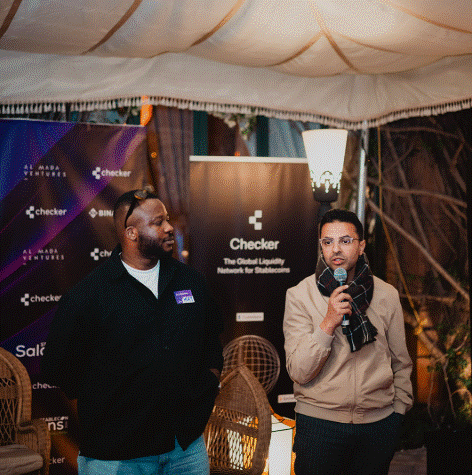
Co-hosted with Al Mada Ventures, the Marrakech edition arrived at the sharpest diagnosis yet. Morocco ranks in the global top 20 on Chainalysis’s 2026 crypto adoption index, with approximately $12.7 billion in transaction flow, despite a formal ban on crypto in place since 2017. That is not a projection. That is a market demonstrating intent ahead of regulatory permission.
Francis Ogbuka of Utila put it plainly: the rails are there, and getting the institutions that need to run on them actually ready to do so is the harder work.
Larry Cooke, who spent years inside the South African Reserve Bank before leading legal for Binance Africa, named what that looks like from the inside. Compliance teams with no framework for evaluating a stablecoin settlement account, boards that need language they don’t yet have, and risk functions that default to inaction because saying no is safest when guidance is absent. Closing that gap requires compliance language, risk frameworks, documented precedents, and internal education. Not more infrastructure. More understanding.
Marrakech’s finding: this is the work that doesn’t get named in headlines but determines everything.
What the capital is saying
The investment activity running alongside these rooms is tracking the same gaps. Utila closed over $40 million in funding and joined the Mastercard Crypto Partner Program. Checker, present across Nairobi and Marrakech, announced an $8 million raise led by Al Mada Ventures. Tether invested in LemFi to extend stablecoin-powered remittances across Africa and emerging markets.
Arnoud d’Yve de Bavay, who leads Africa expansion for Tether and has been part of the series since Kigali, framed the trajectory that the capital is following: “Start with payments. Everything else follows.” The use cases generating real commercial activity are the ones eliminating existing friction, cross-border payments, remittances, treasury flows, rather than introducing new behaviour. The markets that skip the payments-first phase tend to stall. The capital allocation data continues to confirm it.
Johannesburg is next.
Paschal Okeke shall host the fourth edition – out of eight- on June 25th. South Africa is one of the most institutionally developed digital asset markets on the continent. The FSCA’s licensing regime is further along than most, and the practitioner depth is real. The questions this city brings will be sharper and more commercially grounded than anything the series has produced yet.
Each city has arrived with its own theme. Johannesburg has one too.
To attend, register here. To follow the series as it continues across the remaining cities, subscribe on Substack.
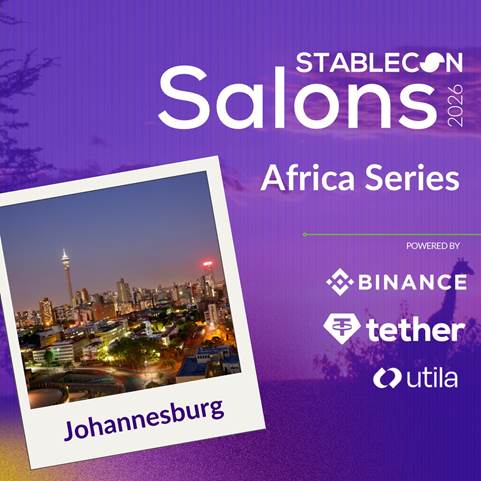
Stablecon Salons is a series of intimate gatherings for operators, builders, and policymakers working on the future of cross-border payments and digital finance across Africa. The series spans eight cities.
Last updated: June 23, 2026