
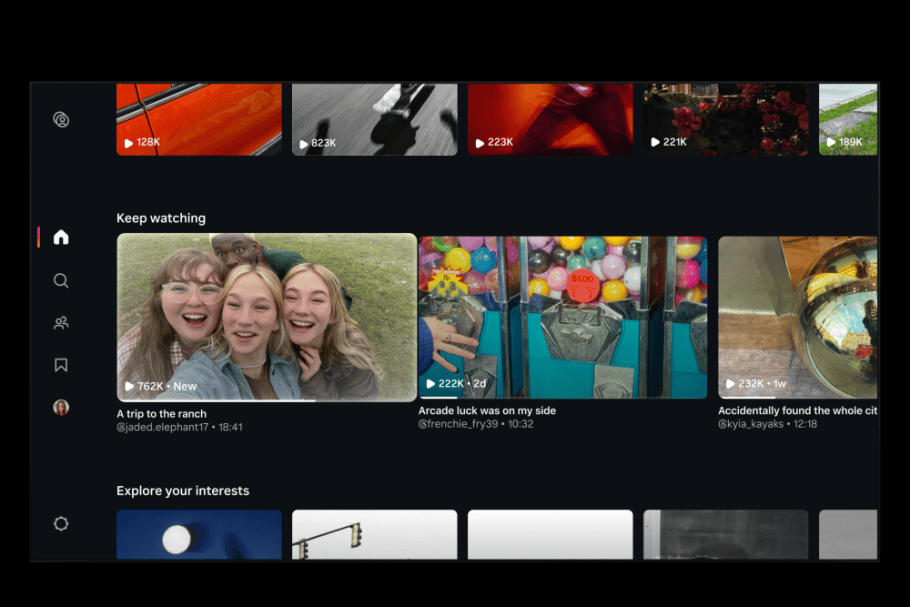
Instagram is testing a new video format called Features that could put it in more direct competition with YouTube, the platform people have turned to for years to watch full interviews, podcasts, documentaries and other long-form content.
This new video format allows selected creators to upload horizontal videos of up to 90 minutes. The move comes after YouTube expanded into short-form video with Shorts in July 2021, putting the two platforms in competition for the same viewers.
Now, as Instagram explores longer videos, the question is whether its existing audience and social features can help it take a larger share of the time people spend watching online video.
Instagram and YouTube are moving into each other’s territory
The competition between Instagram and YouTube is no longer limited to short-form videos versus long ones. YouTube introduced Shorts to compete in the short-form market, while Instagram’s Features test brings longer programmes into a platform built around photos, social connections and Reels.
Both companies are expanding into the other’s traditional territory, but they are doing so from different positions, with different strengths in audience discovery, viewing habits and creator earnings.
Instagram began as a photo-sharing platform, while YouTube built its reputation around video uploads that ranged from short clips to full-length films, interviews and tutorials. Over time, both companies expanded beyond those original identities. Instagram introduced Reels in August 2020, and YouTube launched Shorts to compete for viewers who prefer quick, vertical videos.
Now the latest announcement by Meta on October 26, 2026 is the latest development that takes the competition further.
Features is being tested with selected creators in Brazil and the United States. Instagram is also testing Clips as Reels, which allows creators to connect short clips to their full-length videos, giving viewers a way to move from a short preview to a longer programme within the app. This also allows the company to retain viewers within the platform.
Instagram connects video to direct messages, Stories and personal sharing, while YouTube has built a more established environment around channels, subscriptions, search and video libraries.
Although, the two platforms still offer different experiences. But, as their formats overlap, those differences could become more important in determining where people discover content and where they choose to watch it.
Instagram’s existing audience could help it attract long-form viewers
Instagram’s large user base gives Features a potential advantage because the company can introduce longer videos to people who already use the platform. Meta announced in September 2025 that Instagram had reached three billion monthly active users.
A user might follow a comedian, share one of their Reels with friends and gradually become interested in their work. If that comedian also publishes a full performance on Instagram, the viewer could watch it without moving to another platform like YouTube.
This is the role Clips as Reels could play. Short videos can introduce a programme to new viewers, while the linked full-length version gives interested people a reason to stay. Instagram is effectively trying to turn its strength in short-form discovery into an advantage in longer viewing.
For Meta, longer viewing sessions could create more opportunities to show advertisements and keep people engaged with its services without leaving the app to watch long-form videos on YouTube.
The size of Instagram’s audience establishes the potential reach of Features which could fetch some viewing time from YouTube.
Filmmakers and podcasters could have another place to publish their work
Features could give filmmakers, podcasters, comedians and production companies another distribution channel, particularly those who already use short clips to promote longer programmes. Instead of using Instagram reels only to attract attention to a video hosted elsewhere, they could potentially publish the full programme there as well.
A podcaster, for example, could upload a one-hour interview to YouTube and publish it on Instagram alongside several Reels featuring the most interesting moments. Someone who discovers the conversation through a Reel could continue watching on Instagram, while viewers searching for the guest or topic on YouTube could still find the original episode.
For independent filmmakers, the appeal could be similar. Short scenes could introduce a film to Instagram users, while the full version gives interested viewers something more substantial to watch.
Comedians and production companies could use the same approach for performances, interviews and entertainment programmes.
The usefulness of each platform will depend on the type of content. Instagram’s social network may help a video spread through recommendations and private sharing, while YouTube’s search and channel structure can help viewers find older videos and return to a creator’s work.
Features therefore gives creators another option, but may not automatically make Instagram a better home for every kind of programme.
YouTube’s creator payment system gives it an advantage
YouTube has an established advertising revenue-sharing model for eligible creators, while Instagram has not announced a comparable long-term payment structure for Features. That difference could affect how creators value the two platforms, especially when producing longer videos involves significant time and expense.
Under YouTube’s Partner Program, eligible creators who accept the relevant Watch Page monetisation terms receive 55% of net advertising revenue from ads on their public long-form videos. YouTube also offers other ways to earn money, including channel memberships, fan payments and shopping features.
Instagram’s creator economy has traditionally relied more heavily on brand partnerships, although the platform offers other monetisation tools. When Features was announced, Meta said it was exploring ways for creators to earn through brands, fans and Instagram itself, but it has not set out a permanent payment model for the new format.
Read also: how Nigerian creators actually make money
Instagram head Adam Mosseri has also described the company’s performance-based creator payments as a relatively small programme.
This is essential because a full-length podcast, documentary or interview can require research, filming, editing and other production costs. YouTube’s revenue-sharing model gives eligible creators a direct way to earn from advertising on their videos, while the financial return from publishing through Features remains uncertain.
Instagram could still attract creators who value access to its audience or see opportunities for sponsorships. However, until the company provides more detail about how Features will generate income for creators, YouTube has a clearer proposition for those who rely on platform-generated revenue.
Publishing on both platforms could become the practical choice
Instagram’s expansion into long-form video does not necessarily signal that creators will leave YouTube. Publishing on both platforms could allow them to maintain their existing audiences while testing whether Instagram brings additional viewers to their work.
A creator may upload the same interview to both services, using Reels and Shorts to promote different moments. Viewers could then choose where to watch the full episode based on their habits, the recommendations they receive or the platform they are already using.
For creators, this approach reduces reliance on a single service. It also creates an opportunity to compare audience response and earnings across platforms, although managing separate uploads and communities can require additional work.
For Instagram, the presence of the same video on YouTube would not necessarily make Features pointless. If some viewers choose to watch the programme on Instagram instead, the company gains viewing time even if the creator continues publishing elsewhere.
The competition is therefore not limited to winning exclusive content; it can also involve persuading viewers to choose one platform over another for the same programme.
Exclusive deals could become part of that competition in the future, particularly if platforms begin offering creators financial incentives to publish selected programmes first or only in one place. However, early Features arrangements are reported to be non-exclusive, and Instagram has not announced a general restriction preventing creators from publishing the same videos elsewhere.
For now, cross-posting remains a plausible way for creators to explore Instagram’s new format without giving up their existing YouTube audiences.
Instagram’s history with IGTV raises questions about Features
Instagram has tried to establish a long-form video product before, and the closure of IGTV shows why Features is not guaranteed to succeed. The company launched IGTV in 2018 as a destination for longer videos, but discontinued its standalone app in 2022 as it moved towards a more unified video experience within Instagram.
IGTV was intended to give creators more room for longer content, but the separate app struggled to become a major destination for video viewing. Instagram eventually shifted its focus towards integrating video into the main app and expanding Reels.
Features takes a different approach by placing longer videos within Instagram’s existing experience. Instead of asking people to adopt a separate app, it connects full-length programmes to Reels and the creator profiles they already visit. That gives the format a more direct route to Instagram’s existing audience.
The earlier attempt is still relevant, however. IGTV demonstrated that having a large social network does not automatically turn a new video product into a regular viewing habit.
YouTube still has strengths in search, channels and television viewing
YouTube’s position in long-form video rests on more than its ability to host lengthy uploads. Its search tools, channel structure and established viewing experience help people find specific programmes, explore a creator’s catalogue and return to videos long after they were published.
People often visit YouTube looking for a particular product review, tutorial, interview or explanation. Its channels also give creators a way to organise videos around a subject or series, while subscriptions make it easier for viewers to follow new uploads.
Instagram offers search, profiles and recommendations, but its experience has historically focused more heavily on feeds, Reels and social discovery. Features introduces longer programmes into that environment, although it remains to be seen how easily people will find older videos or follow a series over time.
Television viewing is another part of the competition. YouTube has an established presence on television screens, while Instagram has been expanding its own TV experience. Horizontal videos of up to 90 minutes fit a viewing format that is more suited to watching a full programme than scrolling through short clips.
Instagram’s move shows that it is looking beyond phone-based scrolling, but YouTube’s established viewing habits and content organisation give it a different starting point. For people who search for particular subjects or return to a favourite series, those features may remain as important as the video itself.
YouTube’s response could shape the next stage of the competition
Instagram’s move creates another point of competition for YouTube, which has already expanded into short-form video through Shorts. Both platforms are now trying to connect short clips with longer viewing, while competing for the creators and audiences that make those formats valuable.
YouTube can draw on its existing creator payment system, search tools and channel structure, while Instagram has a large social network that can help videos spread between users. The two companies therefore have different strengths to build on as their services become more alike.
Instagram’s entry does not mean YouTube will lose its position in long-form video. It does, however, create another place where viewers can watch the same types of programmes, and that could put pressure on YouTube to maintain the advantages that keep creators and audiences returning.
If creators choose to publish on both platforms and viewers begin watching more of their favourite programmes on Instagram rather than YouTube, the platforms will be competing for a greater share of the same viewing time, even when the content is identical.
YouTube moved into short-form video, and Instagram is now testing longer programmes. Their rivalry is increasingly about where people discover content, where they choose to watch it and which platform can give creators a sustainable reason to keep publishing.
Last updated: October 28, 2026