

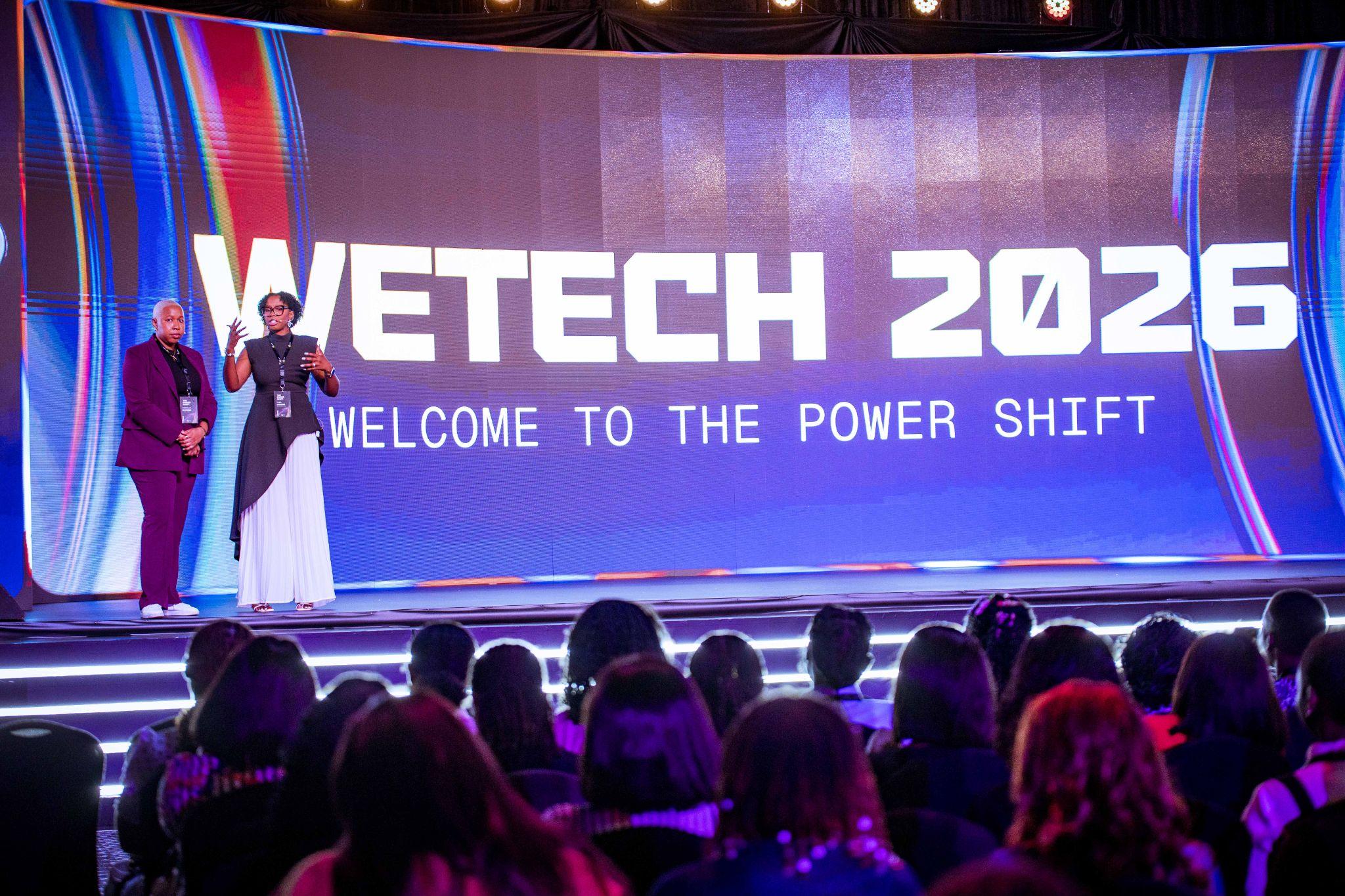
Over a thousand women gathered at Landmark Centre in Lagos on September 26 for Wetech 2026 flagship conference focused on the systems and decisions shaping who leads and benefits from Africa’s technology future.
Under the theme “The Power Shift: Women Leading the Future of AI, Capital & Innovation,” the event examined a technology industry in transition. Artificial intelligence is changing jobs and businesses, founders are navigating difficult economic conditions, and governments are trying to regulate technologies evolving faster than policy.
Against that backdrop, Wetech 2026 answered a central question: what role will women play in actively shaping Africa’s next generation of technology companies and digital infrastructure?
Community remains central to how women access opportunity
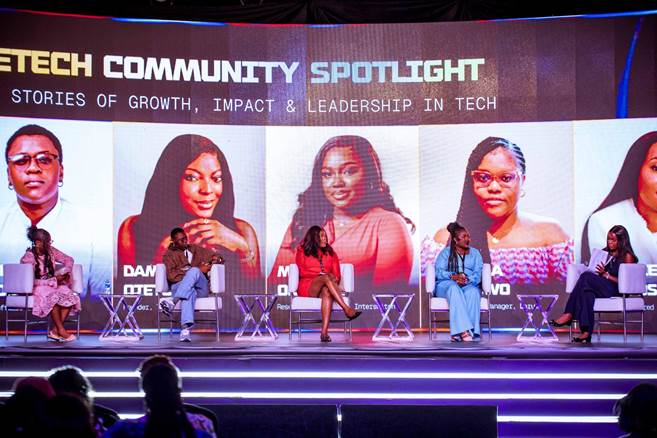
Community emerged as one answer. During the Wetech Community Spotlight, Audrey Ezeonyedika of Risevest, Oluwadamilola Ojetunji of Tabs, Melissa Onwuka of Interswitch, Omolola Odunowo of Darum NG and Osarhieme Giwa-Osagie of Uncovered Conversations discussed how mentorship, visibility and networks shape careers. Their experiences reinforced a recurring message: talent matters, but access to information, people and opportunities can determine how quickly women progress.
You May Also Like: Stablecoin vs Bitcoin: A Decision Framework for African Businesses
Africa’s AI future will require more than adoption
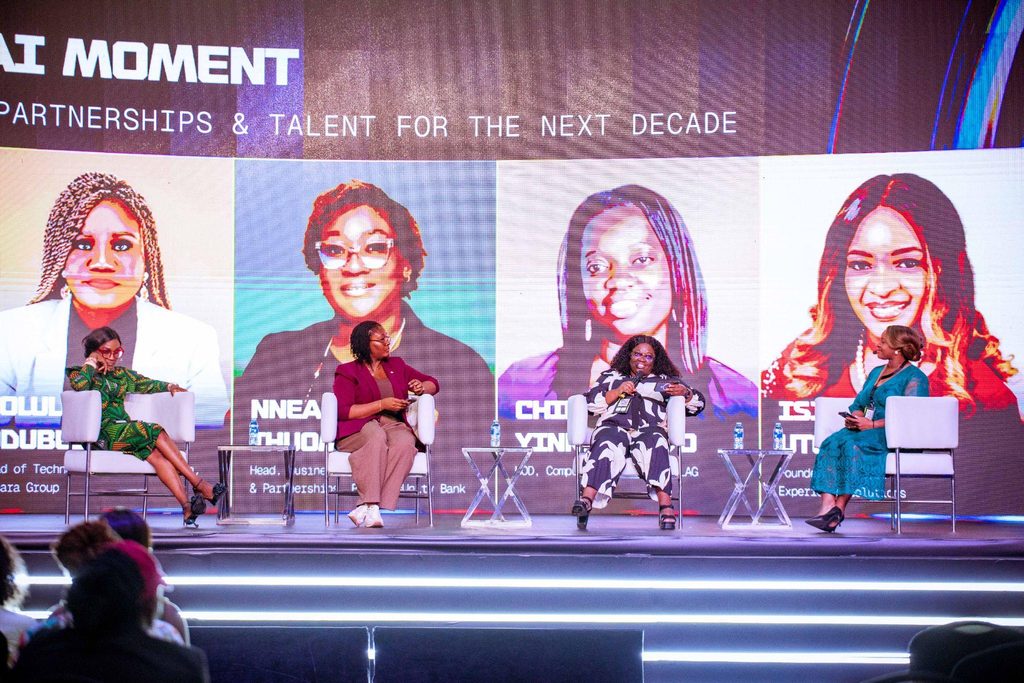
The conference also explored what Africa needs to participate meaningfully in the artificial intelligence economy. On the panel “Africa’s AI Moment,” moderated by Isioma Utomi, founder of Catalyst Experience Solutions, featuring Prof. Chika Yinka-Banjo, Director of the AI UniPod at the University of Lagos; Oremeyi Akah, Chief Customer Officer at Interswitch; and Nneamaka Ihuomah, Head of Business Acquisition and Partnerships at ProvidusUnity Bank, the importance of local data, research, infrastructure, partnerships and intellectual property was discussed.
Yinka-Banjo argued for stronger African-owned technical capacity so AI systems can reflect local realities. Akah stressed that businesses should focus on real customer problems rather than adding AI to products for its own sake. Ihuomah extended the discussion to ownership and commercial participation, highlighting the need for Africans to help create and commercialise technology, not simply consume it.
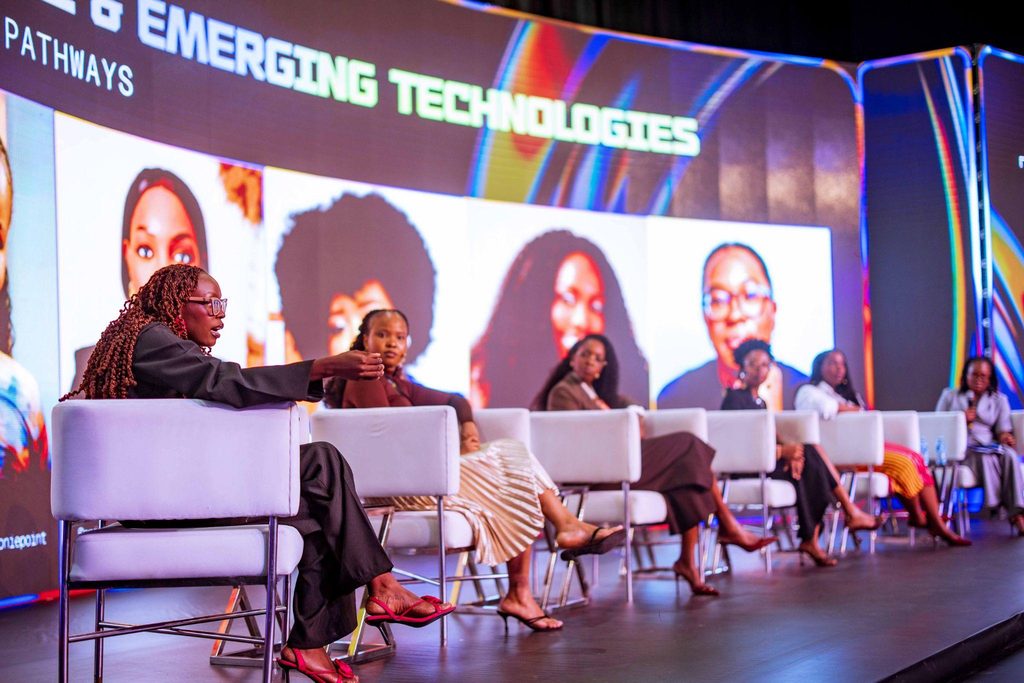
The panel “Breaking Into AI & Emerging Technologies: Skills, Roles & Career Pathways,” moderated by Google Software Engineer, Jody Simpson, featuring Folashade Adegbite, Senior Product Designer at Interswitch; Temitope Akintola, Senior Software Engineer at Moniepoint; Tolulope Flosbach, Senior Manager AI, PwC; Fikeyinmi Odulaja; and Oluchi O., Lead, Platform Engineering at Indicina, showed that the AI economy extends beyond machine-learning specialists. Product managers, designers, software engineers, platform engineers and other professionals are increasingly needed to turn emerging technology into useful products.
What does it take to build and scale an African company?
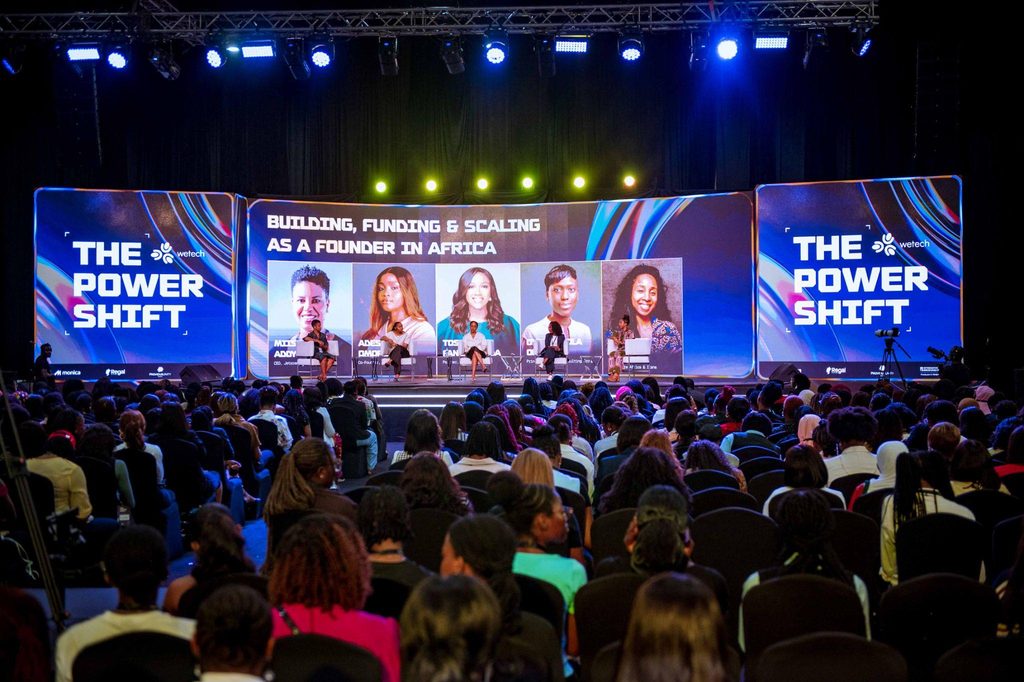
Entrepreneurship received equal attention. During “Building, Funding & Scaling as a Founder in Africa,” Chinyere Inya, Managing Partner, Accelerate Africa & Inya, Miishe Addy-Asare of Jetstream Africa, Adesuwa Omoruyi of Accrue, Tosin Faniro-Dada of Breega and Oyindamola Oladosu of Boston Consulting Group discussed pivots, customer behaviour, unit economics and sustainable growth.
Omoruyi reflected on adapting a business model when market realities change, while maintaining conviction in the underlying problem. Faniro-Dada emphasised that founders must understand metrics such as retention, cohort performance and unit economics as deeply as they understand their vision. Addy-Asare highlighted the value of staying close to customers and adapting operations to the realities of the markets being served, while Oladosu brought a strategic perspective on scale and positioning as pivotal decisions founders need to make as they grow.
Having women in technology is different from having women in decision-making
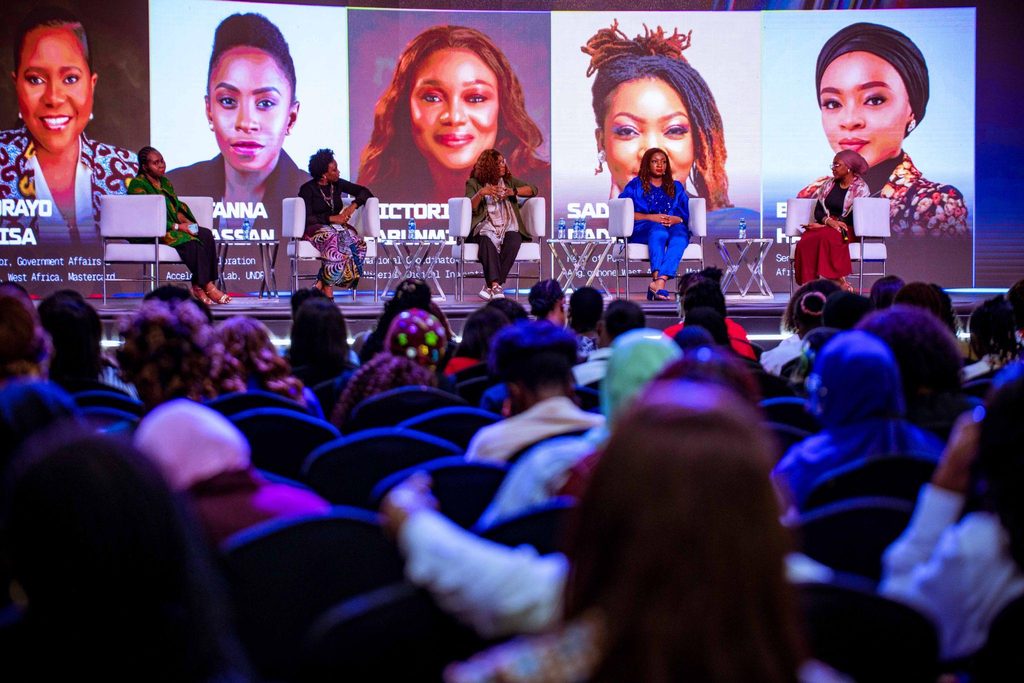
Policy was another major focus. Morayo Adisa of Mastercard, Lantana Elhassan of UNDP Nigeria, Victoria Fabunmi of ONDI, Sade Dada of Meta, and Bashira Hassan of Africa Practice, discussed why women must be represented not only in technology companies but also in the rooms where rules, resources and priorities are determined.
They stressed the importance of having women represented in the rooms where policy is being shaped, and their perspectives underscored how easily decisions can overlook women’s lived realities when those experiences are not present in the process.
PitchHer put ₦8.5 million behind women founders
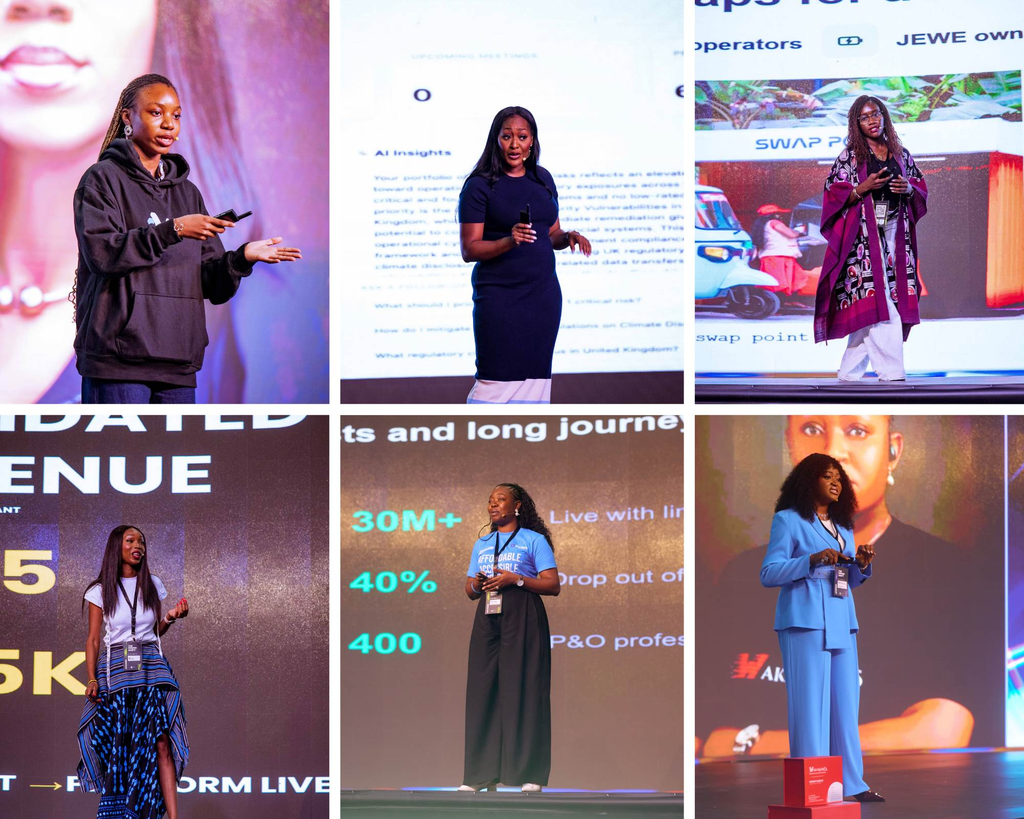
Wetech moved to capital deployment through PitchHer 2026 sponsored by Crafter AI, and its investment-readiness programme delivered in partnership with the Office for Nigerian Digital Innovation (ONDI) under NITDA, and the UK-Nigeria Tech Hub, with Tech4Dev as Technical Partner. Twenty-five women founders completed an eight-week programme before six finalists including Anjolaoluwa Ajayi of ACAD AI, Onyeka Nweze of Unikorrn, and Kamnsi Arachie of Jewe Energy & Mobility pitched on the main stage.
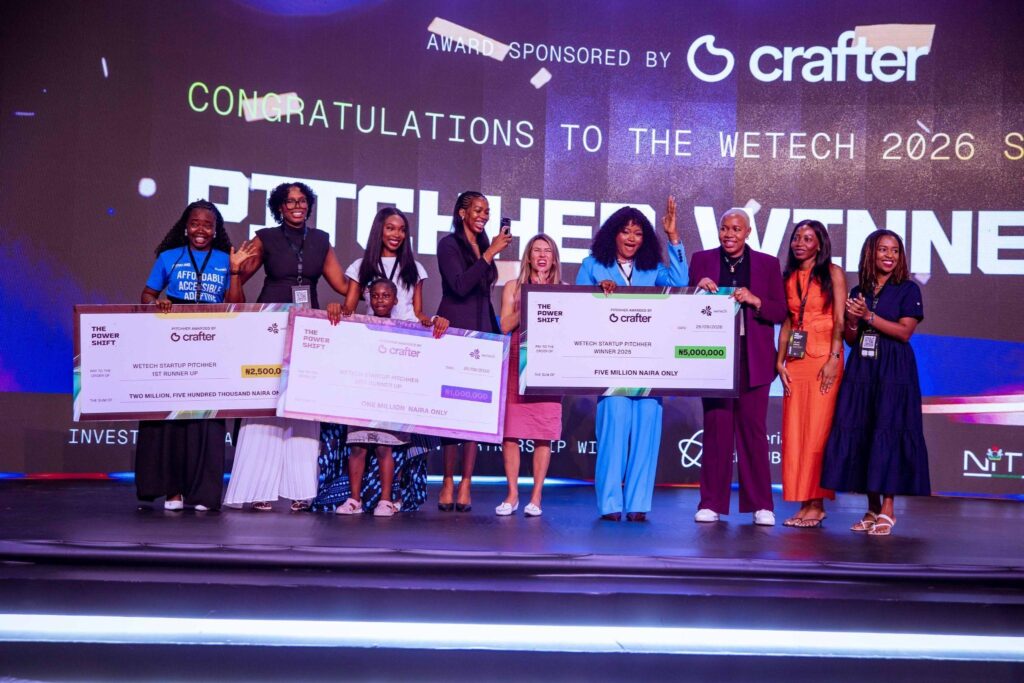
Victoria Okorie-Duru’s Wakamedics won the competition and received ₦5 million. The company is working to expand access to fertility care through digital tools and a mobile approach.
Blessing Aniefiok’s Dynalimb Technologies received ₦2.5 million as first runner-up for its technology-enabled prosthetic, orthotic and rehabilitation solutions.
Misi Chanel Ogunlana’s TFB Studios AI received ₦1 million as second runner-up for its fashion production infrastructure. Together, the three companies shared an ₦8.5 million prize pool.
More than the Main Stage
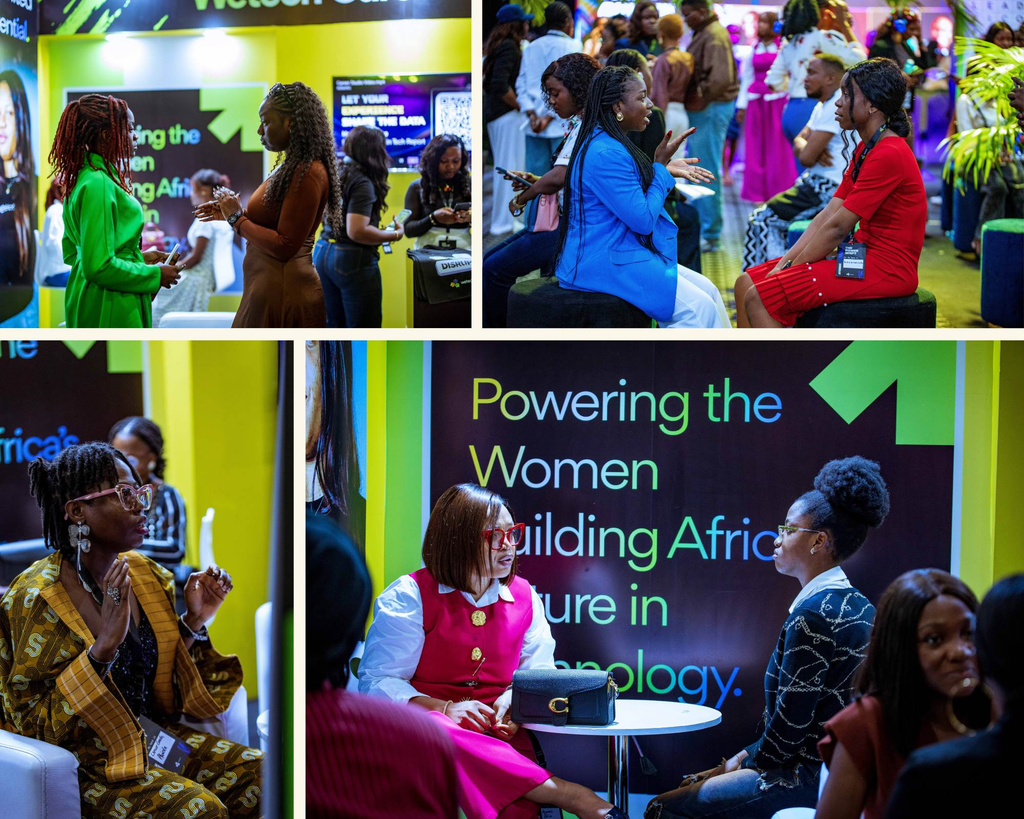
Beyond the main stage, Wetech 2026 offered practical career opportunities. The United Nations Development Programme (UNDP)-powered Career Studio provided support with CVs, LinkedIn optimisation, professional headshots and mentoring, while the conference also featured an Interview Stage, Tech Expo, Live Hiring, networking and founder-investor engagements.
Wetech 2026 was supported by organisations including International Breweries and Monica Technologies as Gold Sponsors; ProvidusUnity Bank as Silver Sponsor; and Epic Pay as Bronze Sponsor. Strategic partners include Antler Nigeria, Bolt, Pernod Ricard, TechCabal, Condia, Cadbury Nigeria and Frutta Foods. Exhibiting brands include Termii, Anchor, Texture Science Labs and ChipMango.
Across the conference, the message was consistent: increasing women’s participation in technology is only the beginning. The larger opportunity is ensuring women shape the products, companies, policies and capital decisions defining Africa’s technology future.
Last updated: October 9, 2026