

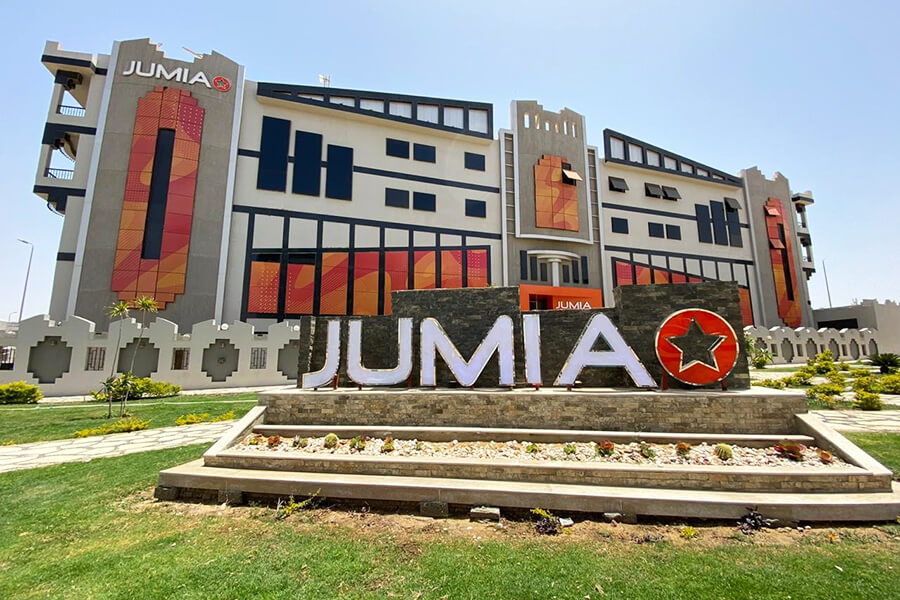
The International Finance Corporation will provide $25 million to anchor a $50 million funding package for Jumia, the company revealed today. Existing investor Axian will join new investors in the process, which is expected to close in the second half of August 2026.
Jumia says it intends to use the funding to enhance efficiency across its markets while strengthening its marketplace and logistics network.
The raise became necessary after Jumia’s total equity position fell sharply from $25.7 million in December 2025 to just $367,000 by June 2026. The decline is even more striking when viewed against its position just three months earlier: in March 2026, the e-commerce company had $12.5 million in total equity.
The investment adds Jumia to a small list of African technology companies that have been backed by the IFC. Previously, IFC had directly backed TradeDepot in Nigeria, MaxAB in Egypt, ANKA in Côte d’Ivoire and Breadfast in Egypt.
The IFC investment comes at an important point for Jumia. The company is still losing money, although its latest results show stronger sales and a narrowing loss. Revenue rose 14% year-on-year to $52 million in the second quarter, while gross merchandise value (GMV) increased 20% to $216.3 million. Its adjusted EBITDA loss also narrowed by 36% to $8.7 million.
Jumia said the new capital will strengthen its balance sheet as it works towards adjusted EBITDA breakeven in the fourth quarter of 2026 and full-year profitability in 2027.
Jumia also revealed that it had been impacted by the conflict in the Middle East and rising memory chip and GPU prices. Smartphones and electrical products have historically been one of the company’s best-selling categories, and the price hikes only served to disrupt its supply chain. The company is working to diversify its supplier base in direct response. Similarly, the war in the Middle East affected both air freight in the region and fuel prices in some of its major markets.
Last updated: August 13, 2026