




Months after warning it might sell assets to ease debt pressure, Frigoglass Group has completed the sale of its Nigerian unit, Beta Glass Plc, to Helios Investment Partners in a deal worth up to €100 million. The transaction hands control of Nigeria’s largest glass manufacturer—alongside its related packaging subsidiaries—to one of Africa’s most active private equity firms, marking a clean exit for Frigoglass ahead of its 2026 bond maturities.
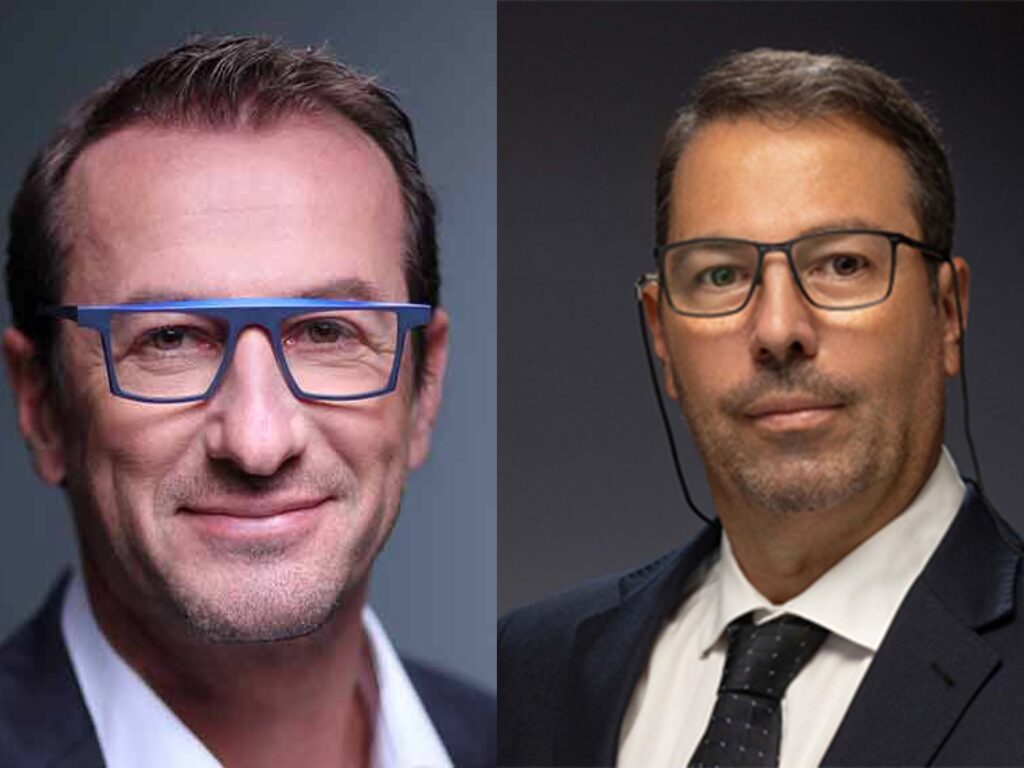
The timing tells its own story. In September 2025, Frigoglass confirmed it was weighing options to meet about €109 million in debt repayments due next March and April. Now, with the sale signed and awaiting regulatory approval, the company has effectively turned its most profitable African asset into liquidity. “This milestone is the culmination of nearly three years of transformation,” said chairman Gagik Apkarian, describing the sale as the logical next step in the group’s turnaround.
For Beta Glass, it’s less an ending than a handover. CEO Alex Gendis said operations will continue “as usual” during the transition, framing Helios’s arrival as the next stage of a growth story that began after Frigoglass’s 2023 restructuring. The business now produces bottles, metal crowns, and crates across Nigeria and exports to much of West and Central Africa.
The move lands amid a quiet transformation in West Africa’s packaging industry. Since 2022, inflation, currency swings, and high import costs have pushed local manufacturers to source packaging closer to home. Glass, once viewed as an expensive alternative to plastic, has become competitive again as beverage and FMCG companies shift to recyclable and refillable formats. Nigeria’s container-glass segment has grown about 6% annually, twice the pace of the wider packaging market.
That shift is precisely what makes Beta Glass valuable now. As global resin prices squeeze plastic producers, locally sourced glass—made from sand and cullet rather than imported materials—has become both an economic and environmental hedge. Investors like Helios are betting that Africa’s next industrial wave will be built on local supply and circular production, not imports.
For Frigoglass, the sale buys time and stability ahead of its bond deadlines. For Nigeria, it signals a deeper change: manufacturing that’s no longer surviving on volume, but maturing through value—where glass isn’t just packaging anymore, but a statement of self-sufficiency.
Get passive updates on African tech & startups
View and choose the stories to interact with on our WhatsApp Channel
ExploreLast updated: December 10, 2025


