




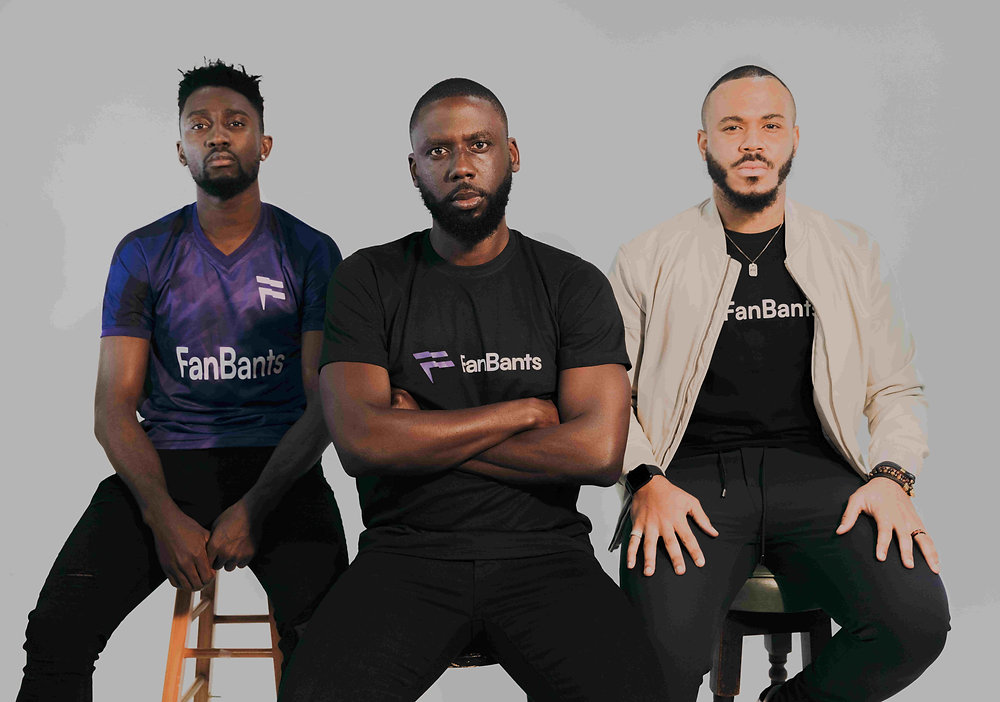
FanBants, the fantasy-sports startup that turned African fandom into a social competition, is shutting down. Founder Fola Folowosele confirmed the decision this week, closing a four-year run that began with Techstars backing and grew into one of the continent’s most creative takes on fan engagement.
Launched in 2021, FanBants built fantasy leagues around global tournaments, the African Cup of Nations (AFCON), and even Nigeria’s Professional Football League (NPFL)—something no local platform had attempted at the time. Its next experiment went further: Gist Markets, a feature that let users draft reality show contestants, predict outcomes, and compete for prizes across cultural moments like Big Brother Naija and The Real Housewives of Lagos.
That blend of sports and pop culture gave FanBants early traction and a distinctive identity. In 2022, it joined Techstars’ Minnesota Twins Accelerator, becoming one of the few African startups in a dedicated sports-tech program. A year later, it secured funding from EMURGO Kepple Ventures, pushing its reach beyond Nigeria and into new markets.
By mid-2024, FanBants had recorded over 50,000 Android downloads. Yet growth wasn’t enough to sustain it. In a LinkedIn statement announcing the closure, Folowosele wrote, “After an incredible journey building FanBants over the last few years, we made the difficult decision to shut the company down.” He described FanBants as “real innovation in fan engagement,” tracing its evolution from fantasy football to pop-culture prediction markets. “We built a community who genuinely believed in what we set out to create,” he said.
Folowosele thanked users, partners, and investors for their support, adding, “While this isn’t the outcome we hoped for, I’m extremely proud of what we built and the journey it took to build it.”
No reason was given for the shutdown, though users were asked to withdraw any remaining balances on November 5. The move closes one of the few African startups that tried to formalise fandom through fantasy sports and pop-culture gaming.
FanBants’ story fits into a broader shift where sports, entertainment, and tech increasingly overlap. The platform’s ties to Big Brother Naija and local football leagues placed it squarely in that convergence—where fandom meets influence and where startup founders, athletes, and media personalities often share the same audience.
Across Africa, a similar fusion is playing out. In Ghana, Jeremie Frimpong, the Bayer Leverkusen footballer, invested in Remoteli, a tech-talent platform connecting African professionals with remote jobs. French footballers Aurélien Tchouaméni and Jules Koundé backed StarNews Mobile, a video network for African creators. These moves show how athletes and public figures are starting to treat venture building as an extension of their cultural capital, a shift from playing fields and reality-TV screens into the startup arena.
FanBants’ exit shows how fragile that crossover can be. Turning fan energy into a viable business remains one of the hardest things to pull off in tech—especially in markets still defining how to fund, regulate, and scale such experiments. The challenge isn’t unique to FanBants. Startups like Eksab in Egypt and myFanPark in South Africa are still testing how to make fandom pay.
Globally, platforms such as Socios.com and LiveLike have proved that engagement can be monetised through prediction games, digital collectibles, and live interactions—but even those models need constant reinvention.
FanBants’ shutdown leaves a gap in Africa’s growing fan-tech ecosystem, and a reminder that in tech built on culture, passion is abundant, but runway rarely is.
Get passive updates on African tech & startups
View and choose the stories to interact with on our WhatsApp Channel
ExploreLast updated: December 1, 2025


