



Kome Agbanoma’s YouTube web series Lara of Lagos hit 500,000 views but couldn’t secure funding for a second season. Lanre Awolokun had just produced Last Call in 2024 and watched it disappear into distribution limbo. Olaniyi Famodun, an independent filmmaker who trained at New York’s Derek Film Academy, had spent over a decade navigating the same broken system.
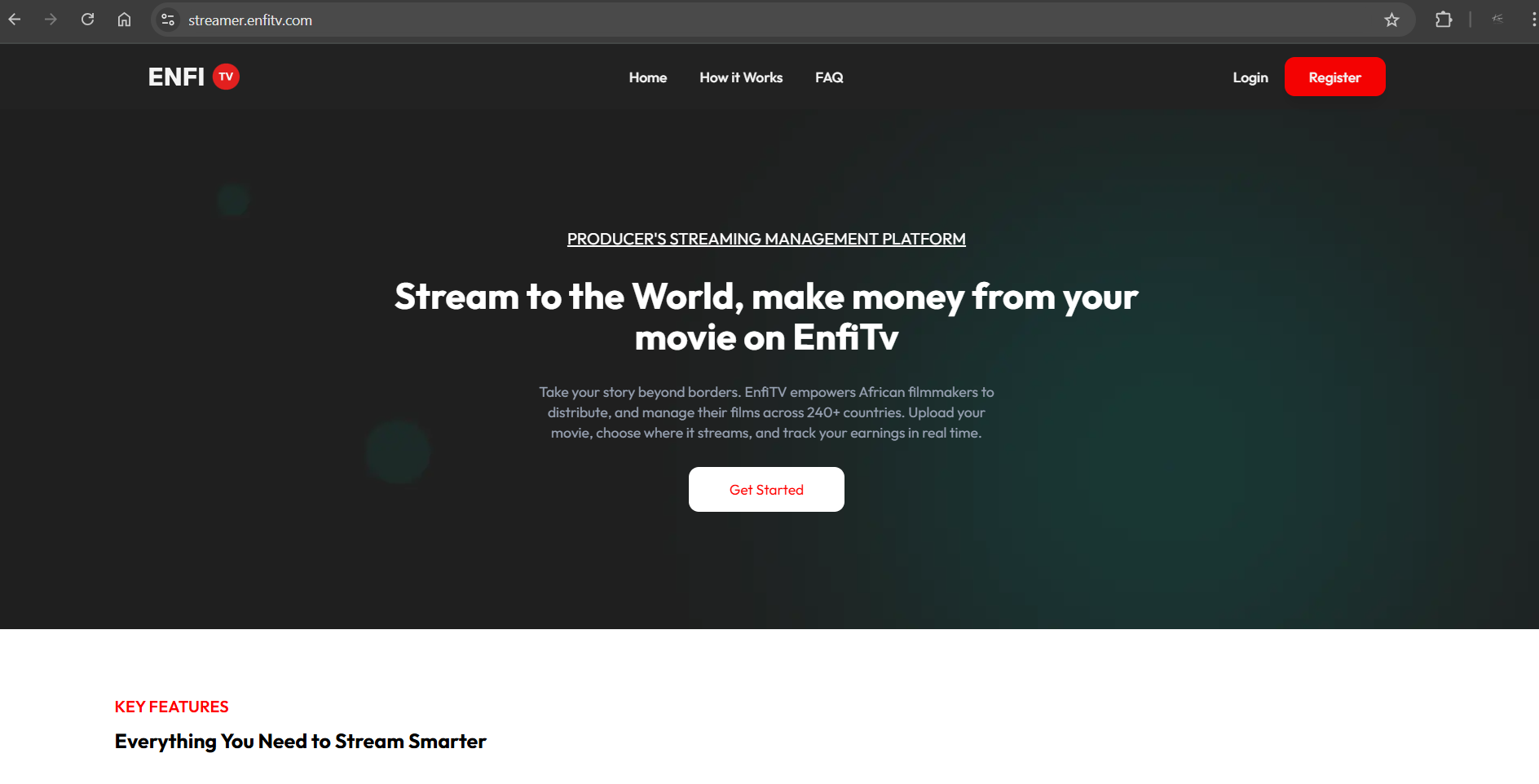
So two months ago, the trio of them launched EnfiTV with 12 titles and a pitch that’s part streaming service, part creator platform: upload your film, get paid upfront, keep your rights, and earn substantially more than YouTube’s pay-per-view model.
“I have many friends who have great stories but still have these challenges of funding,” Agbanoma said.
How the numbers work
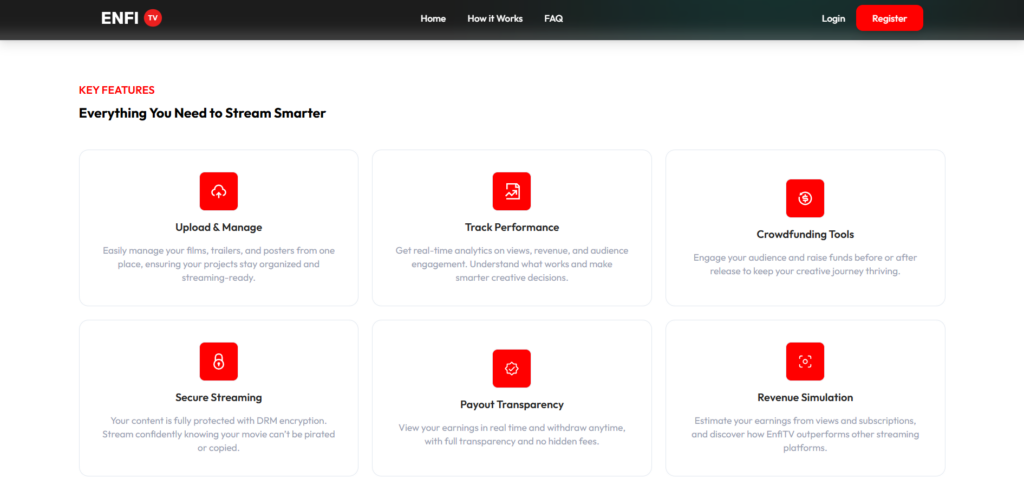
Creators upload films and receive an upfront credit, then earn £0.5 per unique view—about £500 for every 1,000 views. Producers can track streams, performance analytics, and earnings in real-time through the dashboard. For context, Nigerian beauty creator Favour Amanze says her YouTube short-form videos earn just 8 cents per 1,000 views, while long-form content in similar niches often brings in 20–50 cents per 1,000 views. That makes EnfiTV’s per-view rate vastly higher, giving African creators a rare chance to earn substantially from their content.
Subscribers pay ₦5,000 monthly (around $3) or ₦55,000 annually after a three-day trial. Films in the catalogue include The Secret Life of a Troll, 12 Hours, Alaise, Erimorara, and The Last Call. Licenses are non-exclusive with a three-to-six-month minimum commitment, allowing filmmakers to also list content on Netflix or Amazon and pull their films after the minimum period. Some have already shared trailers on YouTube.
The upfront payment is EnfiTV’s bet on the creator. If a film doesn’t earn enough views to cover the upfront credit, EnfiTV absorbs the loss. “We’re taking a risk,” Agbanoma says. “Your intellectual property still gives us value as a platform.” This risk depends on subscriber growth—at £0.5 per view, the platform either needs massive scale or low per-subscriber viewing rates to remain sustainable.
A crowded field
EnfiTV is entering a space where platforms like Showmax, KAVA, and iROKOtv have already staked their claims. Showmax dominates the subscription market across Africa, backed by MultiChoice’s infrastructure and deep pockets. KAVA, a collaboration between Inkblot and FilmOne, positions itself as a curated gateway to global Nollywood. iROKOtv pioneered the model years ago, streaming Nigerian films to diaspora audiences from its UK base.
EnfiTV’s pitch is different: filmmakers upload directly instead of pitching for licensing deals. It’s closer to what SoundCloud did for musicians than what Netflix does for filmmakers—open the gates, let creators earn, keep the control.
But the gates aren’t entirely open. EnfiTV reviewed 50 film submissions at launch and licensed 12. The vetting team, led by co-founder Famodun and other industry professionals, looks for production quality, family-friendly content, and stories that can travel beyond local audiences. Rejected filmmakers receive feedback—sometimes suggestions to resubmit after improving colour grading or sound design.
Two months in, the platform has fewer than 100 subscribers. Most of the engagement comes from Canada, with scattered views from places like Mexico, China, and even North Korea. “We’re at the very beginner stages,” Agbanoma said. “This is the first time we’re doing our PR run, aside from what we’ve been doing digitally.”
Ambassador Dr Queen Blessing Ebigieson, National President of the Association of Movie Producers, has engaged with the team on how the platform’s structure works, particularly around what happens when films don’t generate enough views to cover their upfront credits.
The funding question
EnfiTV is bootstrapped. The team is fundraising but hasn’t closed any external capital for EnfiTV.
“We don’t have the pockets, so to say,” Agbanoma said. “We’re just running with a great idea and a zeal to see change in the industry.”
That constraint explains the non-exclusive model—they can’t afford to buy rights outright like Netflix does.
The timing reflects broader market shifts. Amazon Prime exited Nigeria in January 2024 after investing in original productions. Netflix scaled back African content to focus on Europe. That created a gap, but also raised questions about whether the economics work at all.
What’s next
The team is developing EnfiTV CF, a crowdfunding platform where investors can back film projects and track spending across production stages. It’s not live yet—they’re still consulting with filmmakers and investors.
Further out, they want physical cinemas in the diaspora to premiere films before streaming them. It’s an ambitious roadmap for a team with double-digit subscribers and no external funding.
“As Africans, there’s a bit of pride involved,” Agbanoma said. “What we’re trying to do is create a platform that gives African stories the same thing that Afrobeats has, where people all over the world know about it.”
Whether that vision materialises depends on whether the economics scale. At current subscriber levels, every view costs EnfiTV significantly more than it generates. The platform needs thousands more paying users before the model proves sustainable.
The platform is available on Apple TV, Android TV, Roku, Samsung Smart TV, Amazon Fire TV, web, and mobile devices. Producers can submit films at streamer.enfitv.com.
Get passive updates on African tech & startups
View and choose the stories to interact with on our WhatsApp Channel
ExploreLast updated: December 3, 2025


