



“My mum was sitting on the edge of her bed when she called me from the kitchen. ‘Come and see what’s happening in the world,’” said Zita, a 21-year-old factory worker.
On the phone was a man dressed as a doctor explaining how onions could cure high blood pressure.
“He spoke with certainty. He looked professional. My mum believed him. I almost did. too,” Zita continued.
“The man in my mother’s video does not exist. The TikTok page behind it showed no trace of a real professional. The video was artificial intelligence”.
Health warnings, miracle cures, and urgent advice arrive daily on social media. Many of them feature people in lab coats or suits. The clothing signals authority. The confidence seals it.
For an older generation that grew up when public speech required status, seeing someone speak on camera still feels like proof. If a pastor, doctor, or elder appears in a video, many assume legitimacy. That was the case with Zita’s mum.
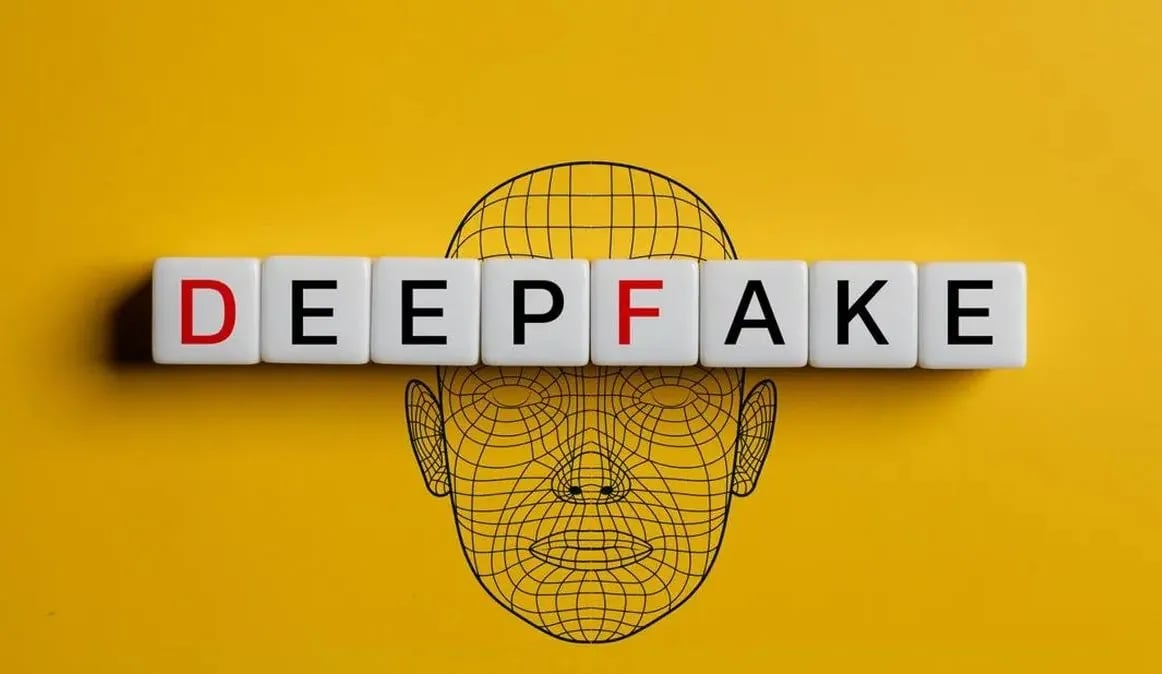
A deepfake is media—video, audio, or image—altered or created using AI to show someone doing or saying something that never happened. The term combines ‘deep learning’ and ‘fake.’ Deepfakes are used in films, such as recreating deceased actors, and in entertainment like memes. In many parts of the world, they are also used for scams and misinformation.
AI systems generate outputs based on the data available about a person. Public figures with extensive online presence are more exposed. Their images, speeches, and interviews provide raw material. A manipulated clip can borrow their credibility without their consent.
Ngozi Okonjo-Iweala, Director-General of the World Trade Organisation, recently debunked a circulating video that portrayed her promoting an investment scheme. She described the video, titled “Ngozi Okonjo-Iweala’s Civil Investment Project”, as a deepfake. Ibukun Awosika, businesswoman and first female and former Chairperson of First Bank of Nigeria. issued a similar warning after her name and likeness were used in misleading content.
With enough reference material, software can replicate a person’s face and voice. The result looks authentic, sounds confident, and spreads quickly across platforms.
“I have become my mother’s fact-checker,” Zita told Condia. “I repeat that not everything online is real. She listens but often insists, are you not seeing it?” When I press further, she says I am stubborn. What an adult can see while sitting, a child cannot see even if standing. My father agrees.”
The issue can be attributed to knowledge gap. Many parents did not grow up in a digital environment where images can be fabricated with ease. And in many Nigerian settings, skepticism toward an elder or leader can be interpreted as arrogance. Trust is often attached to the sender. To label a video shared by an elder in a family group as ‘fake’ can feel like accusing that elder of dishonesty.
Global concern about deepfakes has led to calls for stronger content moderation. The Federal Government of Nigeria has partnered with UNESCO to address the misuse of AI in creating deceptive content while maintaining freedom of expression. Platforms are also under pressure to improve detection tools.
Yet regulation alone cannot resolve what is happening inside homes.
A decade ago, producing a convincing fake video required substantial resources. Today, accessible software allows individuals to create manipulated media with limited equipment. At the same time, Africa’s AI landscape reflects uneven readiness. While adoption is growing in sectors like finance and agriculture, digital literacy gaps remain.
The result is a society where video is trusted, authority is respected, and technological manipulation is advancing faster than public awareness.
Deepfakes test social norms around respect, age, and authority. They exploit cultural habits of deference.
“My mum still watches TikTok. She still forwards videos. But now, sometimes, she pauses. She asks if the video is real. She asks me to check,” said Zita.
Get passive updates on African tech & startups
View and choose the stories to interact with on our WhatsApp Channel
ExploreLast updated: March 6, 2026


