




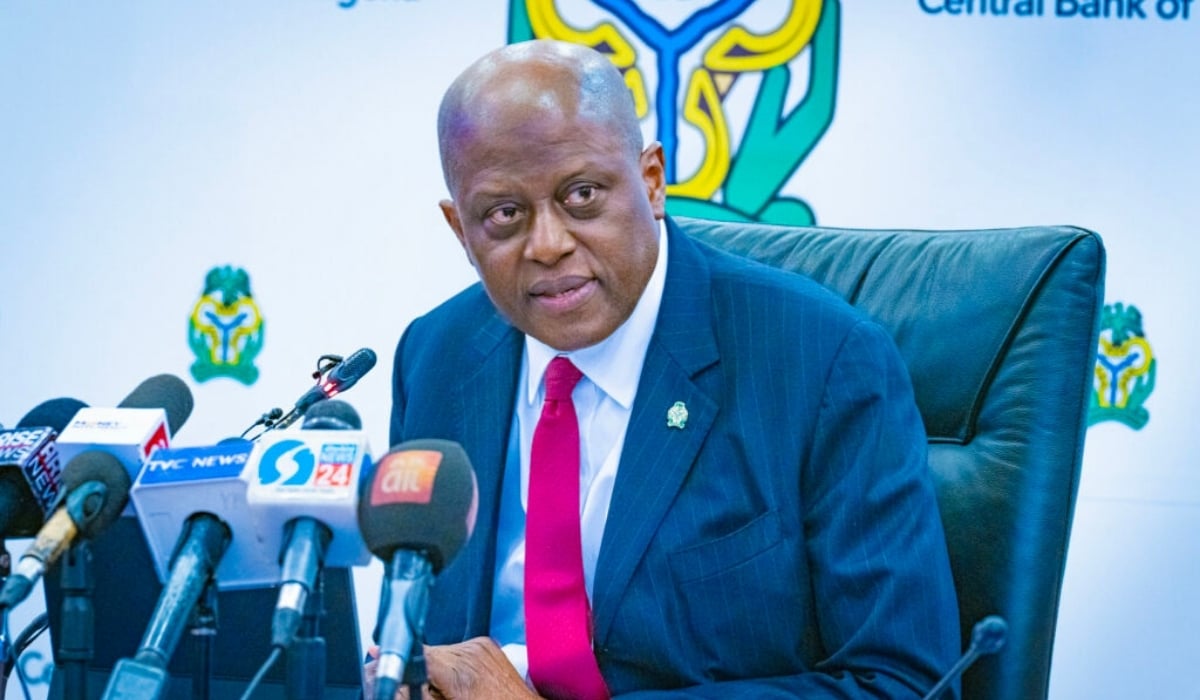
On the last day of March, the Central Bank of Nigeria (CBN) announced it is rolling out an AML/CFT/CPF supervisory pilot for a select group of Virtual Asset Service Providers (VASPs) in the country.
According to the Apex bank, the new Anti-Money Laundering, Counter-Financing of Terrorism, and Counter-Proliferation Financing regulatory framework is in line with the Money Laundering (Prevention and Prohibition) Act 2022, the CBN Act, and the Banks and Other Financial Institutions Act (BOFIA) 2020.
The regulatory experiment involves a select group of VASPs identified as relevant for supervisory engagement. It forms part of the bank’s risk-based supervisory programme and supports ongoing efforts to strengthen the country’s financial system and improve CBN’s oversight of Virtual Assets-related activities.
The CBN, in its press release on the issue, reiterated that the supervisory pilot does not replace or supersede the existing regulatory framework in this space. The VASPs involved in this pilot project include cNGN, Flutterwave, Kucoin, Paystack, Juicyway and KoinKoin.
What will Nigeria’s Digital Assets Ecosystem Gain
CBN’s engagement with these VASPs under the supervisory pilot involves two major deliverables. The first deliverable is to develop a good understanding of AML/CFT/CPF risks, business models and operational practices amongst participating entities. The second deliverable is to support VASPs to strengthen their AML/CFT/CPF frameworks in line with emerging supervisory expectations.
These deliverables improve the security of the digital assets ecosystem and mitigate vulnerabilities that bad actors exploit.
The supervisory pilot project is the CBN’s first major regulatory initiative for digital assets this year. The project is expected to affect Nigeria’s digital assets ecosystem, which regulators continue to approach with caution and tact.
The Silent Battle between the SEC and CBN
As clearly stated in its press release, the CBN’s new supervisory pilot does not supersede or replace existing regulatory frameworks. The development announces the CBN as a new regulator in the digital assets space alongside the Securities and Exchange Commission.
Speaking with Condia, Olayimika Oyebanji, an Award-winning crypto journalist, explained that this development presents a regulatory nightmare for builders in the ecosystem.
“The most immediate impact on builders is the creation of a regulatory purgatory characterised by a dual-track system. While the Investments and Securities Act (ISA) 2025 explicitly empowers the SEC as the primary regulator for digital assets, the CBN’s supervisory pilot introduces a secondary gatekeeper.” Oyebanji said.
“This forces startups into a dual-reporting nightmare, where they must satisfy the SEC’s ARIP framework while simultaneously meeting the CBN’s redundant Monthly KPIs.” He added.
Oyebanji explained that for an early-stage builder, the dual track system isn’t just an inconvenience; it is a heavy ‘compliance tax’ that drains limited capital away from technical innovation and toward administrative bureaucracy.
The SEC and CBN play similar roles in Nigeria’s financial space. Both entities launching a regulatory framework for digital assets highlight a silent rivalry for the upper hand in Nigeria’s financial regulation.
Get passive updates on African tech & startups
View and choose the stories to interact with on our WhatsApp Channel
ExploreLast updated: April 2, 2026


