




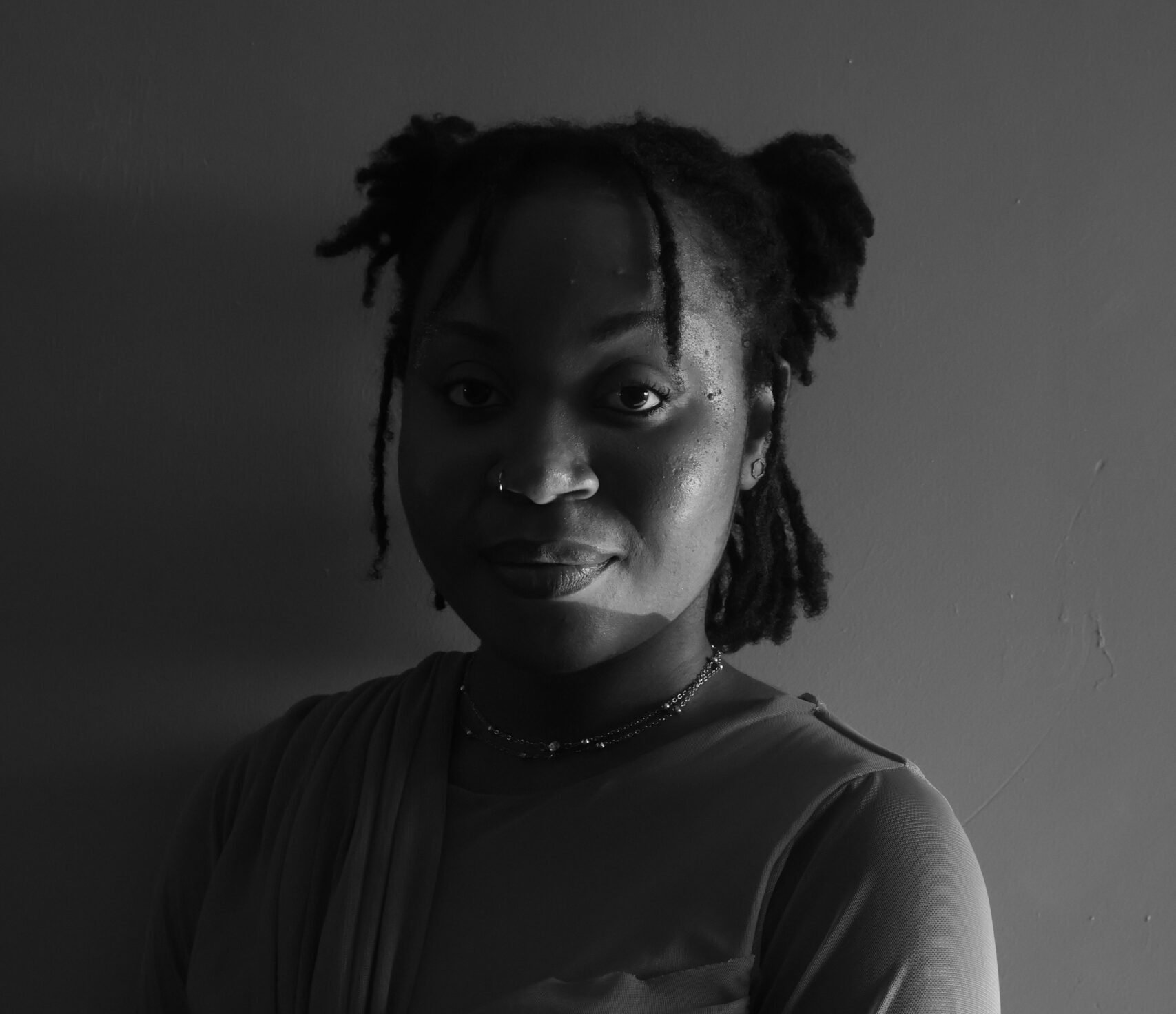
As part of this year’s International Women’s Day celebration, Condia spotlights Josephine Inika, the head of content at the crypto exchange platform Obiex.
Josephine Inika started working at 16 with freelance gigs. Since then, she has tried ui/ux design, visual design, product management, and talent management. She has even tried coding. She co-founded Iko Africa, a literary social publishing platform, and ran it for about 2 years before leaving last year in 2025.
She is now Head of Content at Obiex, a cryptocurrency exchange platform. She spoke to Condia about her journey in tech.
Q: How did you get your first job in tech?
A: A friend texted me in 2021. He said Obiex was hiring a crypto writer, and asked if I had any crypto articles. I had some, so I sent them over. The Chief Marketing Officer read through and said it would work. That’s how I got my first full-time tech job after being rejected by Piggyvest for a content writer role.
Q: What did that first salary feel like?
A: I was outside with my friends when the alert came in. I showed everybody. It was probably a reckless thing to do, but my friends have been my biggest supporters, so it made sense at the time. I just turned around and said, “Order what you want”. They ordered, and the money remained. I said, “Wow, am I rich all of a sudden?”
It felt really good because I earned that money. It opened my eyes to opportunities because if I could touch this amount, I could touch more. That was the beginning of me locking in.
Q: You started working at 16. What did that teach you?
A: It taught me a lot about confidence. I’m doing the work, so I can speak about it. And the audacity to stand up for myself. Don’t be your own gatekeeper. You can’t succeed in this industry if you come and act like you don’t deserve to be here.
There are very few things more powerful than a knowledgeable woman. If you have ever met a woman who knows who she is, what she is there for, and where she is going, they won’t be able to shake her.
Q: Have you ever been treated differently because you are a woman in tech?
A: I have handled it a lot of times. One thing I have learned working in tech is not to take things personally. I can tell when you are trying to shrink me, test me, or reduce my intelligence. I try not to reply personally with insults, but with receipts and proof on why they might be wrong.
I try not to validate misogyny by ignoring it. I try to be as professional as possible, whether it’s a junior, mid-level, or senior position, but I won’t allow someone to make me act out of character. Receipts and professionalism are my weapons.
Q: Why do you think women in Africa are poor?
A: Three things. We don’t have adequate access to knowledge and networks because of misogyny and the way we are socialised. We are not taught financial boundaries early enough, or how to say no, and to recognize the difference between wanting something and needing it. And education, not the desire for it, the access to it.
In the 21st century, people still make their daughters wait for their sons to go to school first. Yes, online courses help bridge the gap, but can she afford a laptop?
“Nothing blocks a woman’s access like misogyny and poverty. And unfortunately, Nigeria is one of the countries with a high rate of poverty.”
Q: How much capital has truly moved to women in tech?
A: Tech tries to do this thing where it seems accessible, but bias enters. I have seen what it is like to raise money when your co-founder is a man and when you are raising solo. A woman will have to work twice as hard to convince a VC.
I love that women-focused funds are emerging, such as Aruwa Capital and FirstCheck Africa. I love that when women have a problem, they start coming up with their own solutions, on the move.
Q: What has actually worked in advancing women economically?
A: What has worked is the mindset of women who are aware of the structural challenges they face and keep pressing on anyway. It is a consequence of seeing other women do it. The more women do it, the more women who come behind know there is a table for them. That is why I am against gatekeeping.
Q: Who is a woman you look up to?
A: Moe Odele, founding partner at Vazi Legal and Scale My Hustle, a lawyer, a nomad, always travelling. She is so audacious. She just gets up and does things. She always makes me think that a lot of things are as simple as just getting up and doing them.
Her newsletter, which she no longer sends, really helped me move to a senior level. If she ever reads this when I blow, I’m going to buy her the island she wants. Shonda Rhimes, too, owns a big media empire. Both of them just move.
Q: What would you tell a young girl who wants to build something?
A: I would give her funds first. Because chances are, if she lives in Nigeria, she needs the money. And if I have to tell her anything, I would tell her to define what success means to her because people will always have a limited version of it for her. She should get up and just do things.
Q: What do you want to be known for beyond your job title?
A: I want to be remembered as the girl who consistently tried. And as a person who left the door open for others to enter.
I read somewhere that we overestimate how much we can get done in one year and underestimate how much we can get done in five.
Get passive updates on African tech & startups
View and choose the stories to interact with on our WhatsApp Channel
Explore


