


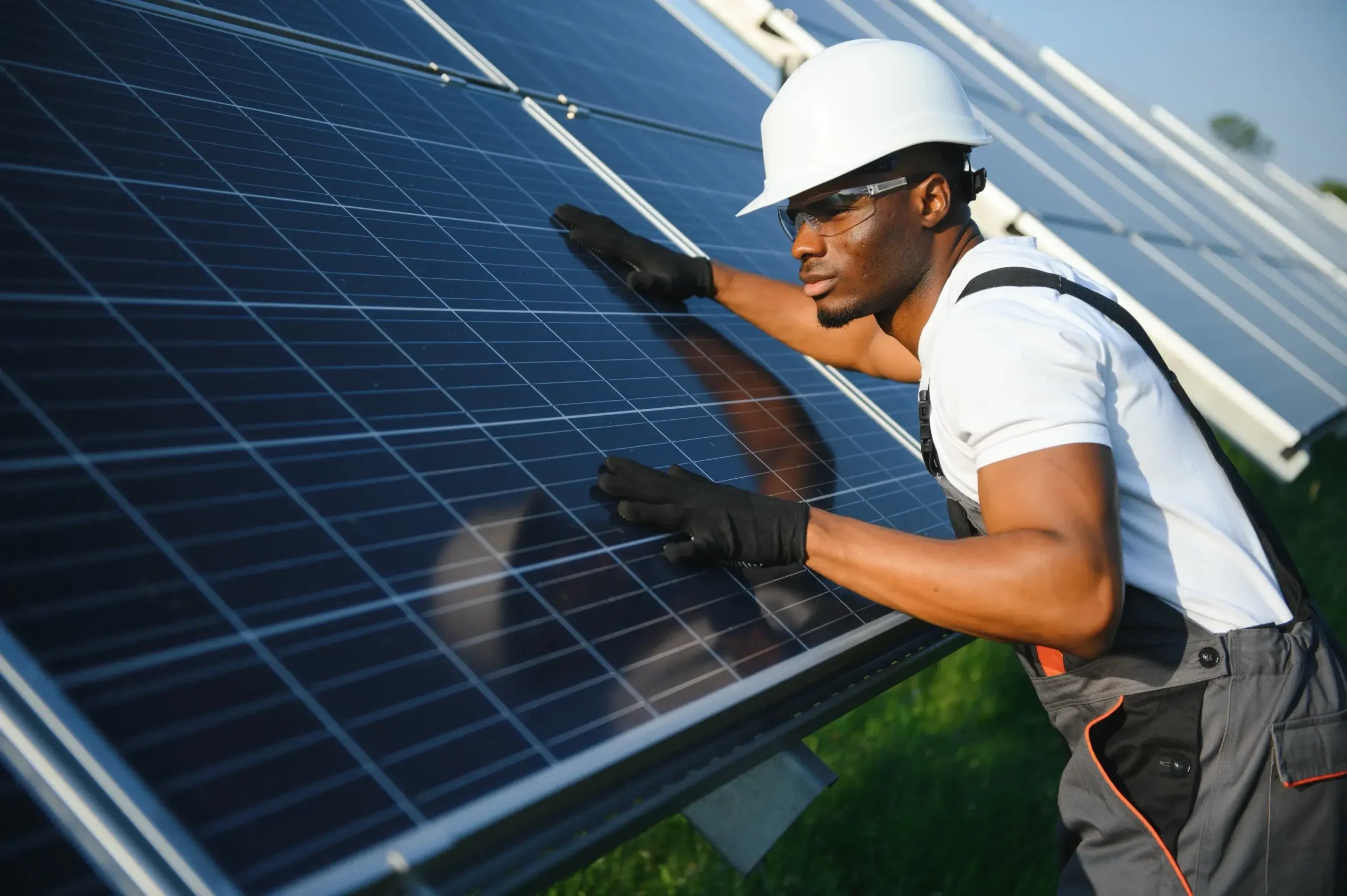
The Nigerian National Grid has collapsed a whopping 18 times since 2024, placing a big question mark on the reliability of electricity in the country. Diesel or PMS, the natural alternative, is on an upward trajectory, surging by 75.5% and 80% since 2024. This leaves Nigerians with Solar power as the most reliable and affordable alternative for electricity.
This assertion reflects the strong demand for solar products in the country. International Solar brands like Jinko and Sunking are setting up shop in Nigeria and selling millions of units to the top 1 per cent, middle-class Nigerians, and even low-income earners, who tend to opt for small-capacity solutions.
As with every other product, when demand is high and nearly exceeds supply, it creates a chasm that bad actors exploit by flooding the market with inferior products or running all manner of scams on potential buyers.
The Solar market is at this point currently in Nigeria. Everyone with a little technical knowledge is suddenly calling themselves a Solar Expert and always looking to sell you supposed superior products.
How does a total Novice which most Nigerians are, navigate this market and come home with something quality worth the money they spent?
Speaking with Condia, Engr Lukmon Abdulrasheed, Technical Service Engineer – West Africa at Jinko Solar, highlighted six things to do and look out for when you are on the hunt for a solar solution for your home or office.
Only work with accredited vendors from OEMs
As we stated earlier, the demand for solar products is so high that bad actors are exploiting this to their advantage. Always work with an accredited vendor of an Original Equipment Manufacturer (OEM). This is not only a cheaper alternative but also a safe bet, as the vendors are vetted by the OEM and have a working relationship with them; they won’t want to jeopardise it.
Employ the service of a registered technician (NEMSA or COREN)
Nothing ruins the Solar experience more than wrong installation. The installation is actually a very important part of the Solar experience. Always employ the services of a registered technician, as they have a reputation to protect. Technicians and engineers registered with the Nigerian Electrical Management Services Agency (NEMSA) and the Council for the Regulation of Engineering in Nigeria (COREN) are a safe bet. Working with them is like boarding a public bus at a bus park.
Acquisition of energy-efficient appliances
Despite the many positives, Solar power still remains secondary to Hydro-generated energy and loves to travel light. The journey of switching to Solar starts with changing your appliances to energy-efficient ones. This is very important for the life cycle of your Solution, and it’s on time. Heavy appliances like irons, refrigerators, and air conditioners can be powered by a high-capacity solar system, which usually costs millions. A middle-income Nigerian is better off forgetting about using these appliances with Solar.
Don’t be cheap
The journey to getting scammed starts with being cheap or greedy. If it sounds too good to be true, it probably is. Do a bit of research and see what capacity your budget can afford. Don’t try to buy a maximum-capacity Solar on a basic budget. It is probably fake. Good things usually cost money when you buy from the right place.
Avoid second-hand solar products
Second-hand products don’t really do well. According to Lukmon, issues such as battery cycles are inevitable when you purchase a solar solution that has already been used by another person. It’s always better to opt for a brand-new solution to avoid early maintenance issues. This is an unwritten rule for most electronics buy the way.
Always ask for a warranty
At the end of the day, electrical devices like Solar power carry a certain degree of inherent risk. You need to ensure you can return a faulty Solar solution to the vendor if it malfunctions too soon. This comes with a caveat: the higher the warranty years, the more expensive the Solar Solution is. Note that this option is always readily available when you buy from an accredited OEM vendor.
Solar Solutions are here to stay in Nigeria as the nation continues to struggle to break the psychological barrier of 10,000 Megawatts of electricity generation. At 4,300 Megawatts for a country of 200 million people, it is little wonder that even the President has gone off-grid.
Get passive updates on African tech & startups
View and choose the stories to interact with on our WhatsApp Channel
ExploreLast updated: April 14, 2026


