



CES 2026 wrapped up in Las Vegas last week, and once again, the future looked a lot like last year—just with more AI, more robots, and more reasons to ask who all this is really for.
Last year’s show brought health-tech promises we thought you should see. This time, the spotlight was harder to place. Between AI-branded everything, recycled robot demos, and a handful of genuinely solid hardware ideas, CES 2026 felt like a tech buffet that couldn’t settle on a main course.
We’ve pulled together the best, oddest, and most overhyped reveals from across the coverage that cut through it. Because, let’s be honest, most of what debuts at CES won’t change your life. Some of it may never even ship.
Still, buried in the noise were flashes of smart engineering and a few ideas that might stick. Here’s our quick take on CES 2026: the good, the weird, and the kind of tech that proves this show is as much about marketing as it is about progress.
Best of CES 2026: The standout tech worth watching
In no particular order, here’s what caught attention on the show floor.
1. Clicks Communicator: For people who miss physical keyboards
Launch: Late 2026 | Starting price: $500
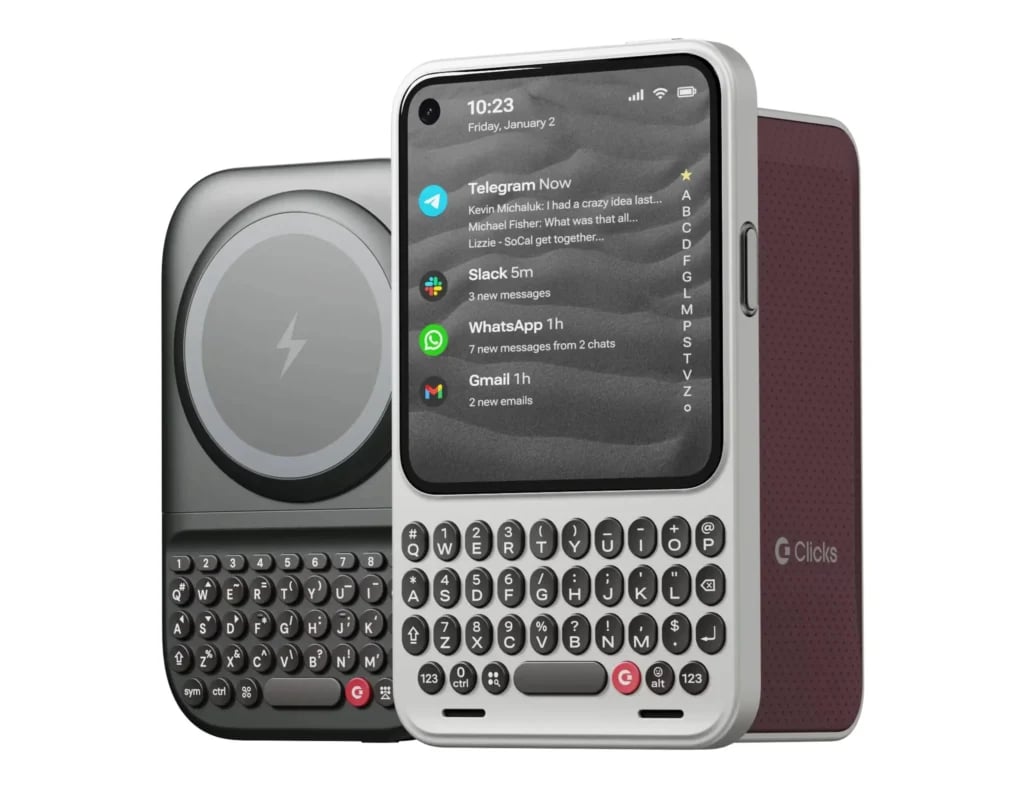
Carrying two phones—one strictly for communication—used to be a status thing. Now it’s starting to look practical. The Clicks Communicator leans into that idea: a phone that’s actually focused on messaging instead of competing for attention with every app on your home screen.
The device runs Android 16 with Niagara Launcher, which strips out the noise and shows apps in a clean scrolling list. There’s a physical keyboard that doubles as a touch-sensitive scrolling surface, interchangeable back panels, a 3.5mm headphone jack, wireless charging, and a notification LED. For anyone who loved their BlackBerry, this feels like the natural next step.
The world’s gotten noisier, and the Clicks team isn’t wrong about that. Whether this phone finds an audience willing to pay $500 for fewer distractions is another question.
2. Lenovo’s rollable laptops: concepts worth watching
Launch: TBA | Starting price: TBA
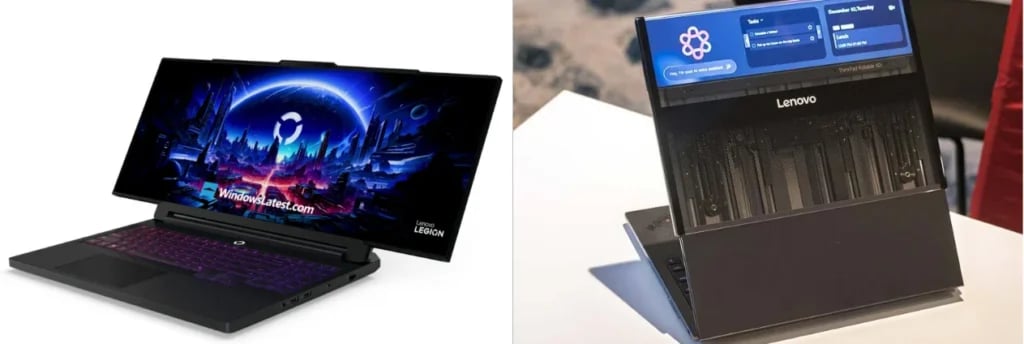
Lenovo brought two rollable display concepts to CES, and both point to where laptop design might be heading. The Legion Pro Rollable expands horizontally from 16 inches all the way to 24 inches, creating a wider, more immersive screen for gaming. It’s still just a concept, but if Lenovo actually brings it to market, it would be one of the more distinctive gaming laptops out there.
The ThinkPad Rollable XD takes a different approach. The display wraps over the top and extends vertically from 13.3 inches to 16 inches. In standard mode, the rear-facing display works as a secondary screen for presentations. This one’s expected to ship later in 2026, which means it’s closer to reality than most show-floor concepts.
3. Roborock Saros Rover: A vacuum that climbs stairs
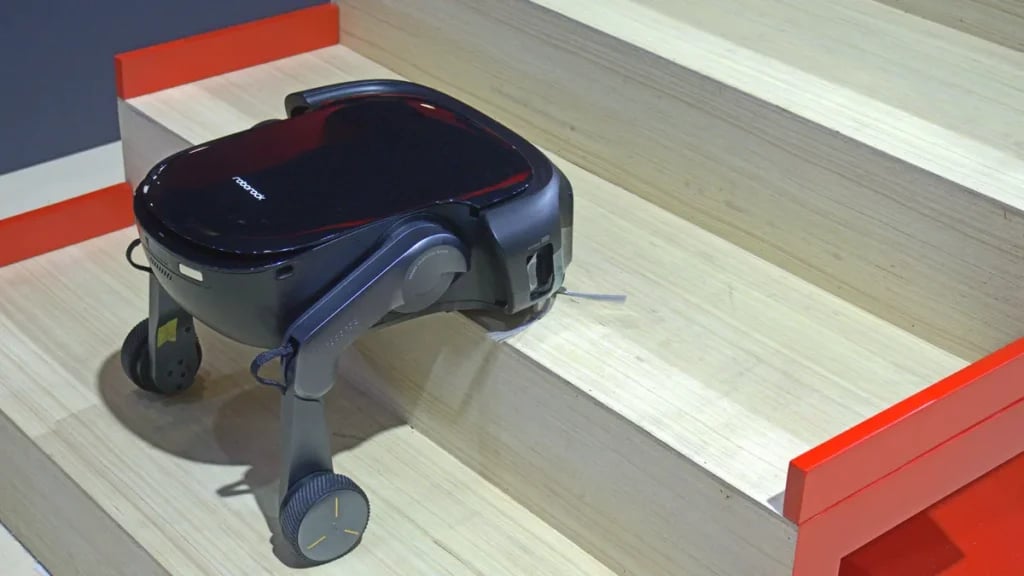
After last year’s failed experiment with a robotic arm, Roborock tried again, this time with legs. The Saros Rover uses frog-like legs to climb stairs and clean individual steps, making it the first robot vacuum designed for multi-floor homes without needing manual help.
If you’ve ever watched the K-drama Clean With Passion For Now, this one might hit the same oddly satisfying nerve—just with more sensors and less charm.
The mechanics are impressive, and Roborock’s higher-end models have proven reliable over the years. Whether people are ready to trust a vacuum with legs is another matter.
4. MSI’s 5K Monitor: Two Screens in One
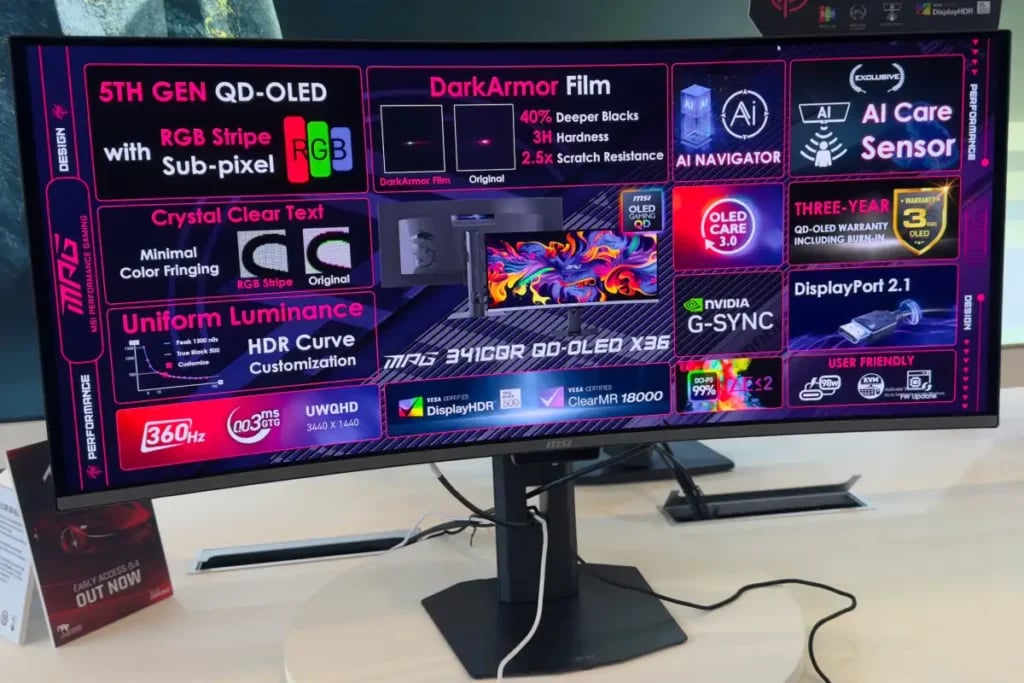
Launch: H1 2026 | Starting price: ~$900
If the $1,500 price tag on Apple’s Studio Display has been holding you back, MSI’s offering an alternative. The MPG 271KRAW16 runs in 5K mode at 165Hz for sharp productivity work, then switches to 1440p at 330Hz when it’s time to game. It delivers 98W of USB-C power, enough to charge high-performance laptops.
Essentially, it’s two excellent monitors—one for work, one for gaming—packaged together for less than most single-purpose premium displays.
5. Dell XPS laptops
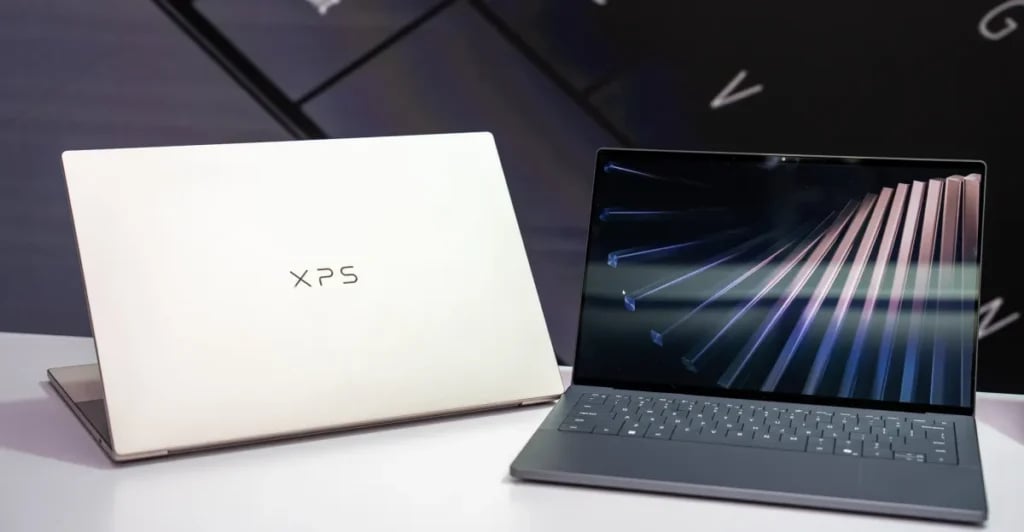
Launch: TBA | Starting price: TBA
Dell killed the XPS branding last year, then brought it back at CES with a redesigned lineup. The new XPS 13 ditches the blended keycaps and invisible trackpad that made earlier models frustrating to use, and adds Intel’s Core Ultra Series 3 processors, a tandem OLED display, and better repairability.
The 14-inch and 16-inch models are available for preorder now. The 13-inch version—the size most people actually want for travel—ships later this year.
6. LG W6: The Invisible TV
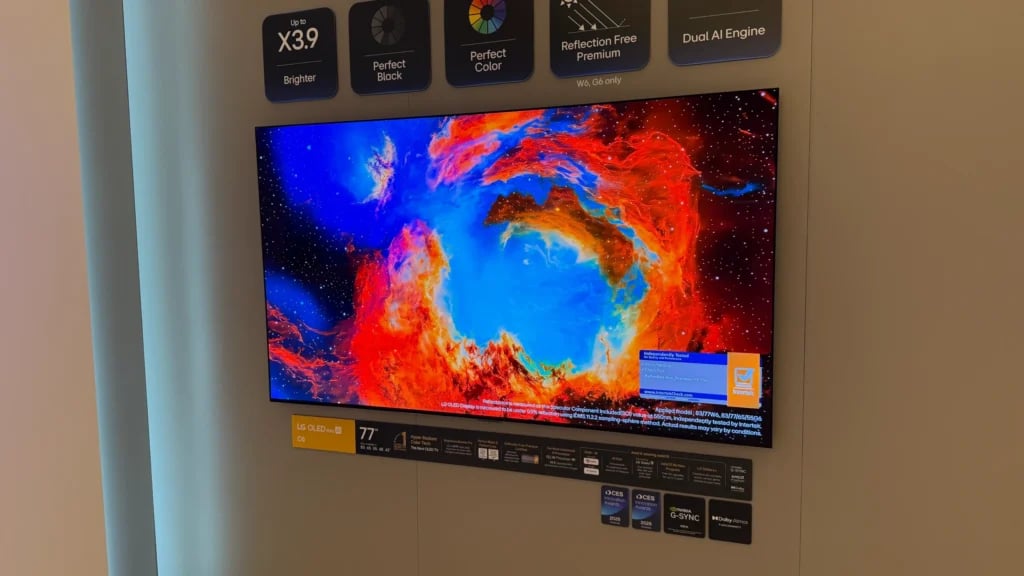
Launch Date: TBA | Starting price: TBA | Thickness: 9.9mm
The LG W6 uses LG’s most advanced OLED panel—the Primary RGB Tandem 2.0—in a design that’s basically flush with the wall. It connects to a wireless box for full 4K HDR without visible cables, which keeps the setup clean.
It’s a stunner, and it should only cost slightly more than the LG G6. For anyone chasing that minimalist aesthetic, this is about as invisible as TVs get right now.
7. Nvidia GeForce Now: Now on Windows
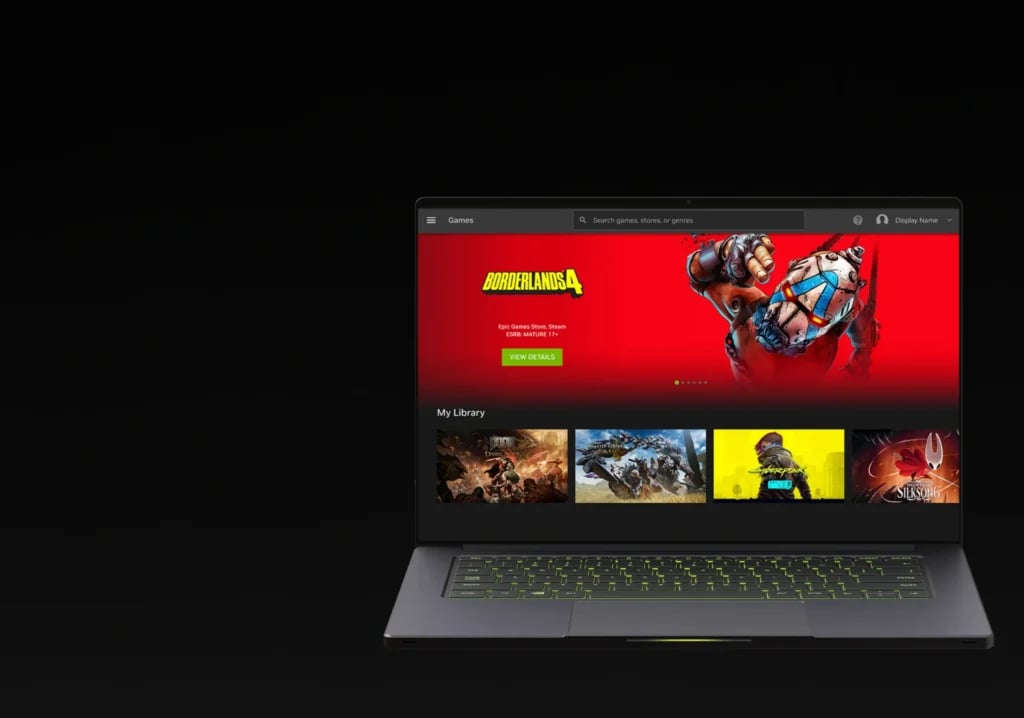
Launch Date: TBA | Starting price: TBA
Nvidia’s game-streaming service finally hit Windows this week after launching on Mac last year. The service runs games from datacenters across the US and Europe, targeting under 30ms latency for most users.
Testing the service on a $400 laptop at CES showed no noticeable lag, even on hotel Wi-Fi at 50mbps. The game ran smoothly—something that would’ve been impossible running locally on that hardware. Nvidia dedicates a GPU per user to keep performance consistent, and Steam libraries import directly.
Latency will vary depending on how close you are to a data centre and how reliable your connection is. Pricing and full availability are still unannounced, but it’s an intriguing option for people who want to play demanding games on underpowered hardware.
8. ROG Xreal R1: AR gaming glasses
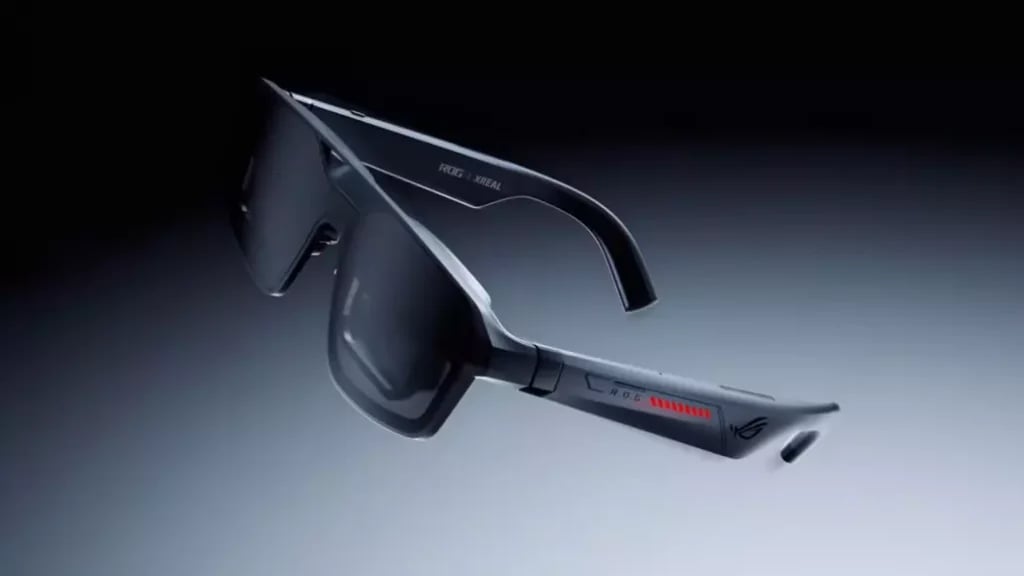
Launch Date: TBA | Starting price: TBA
Developed by Xreal and Asus ROG, the R1 glasses pack a 240Hz display—the first AR glasses to hit that refresh rate. They’re lighter, sharper, and more comfortable than earlier wearable displays, with fewer compromises on latency and visual clarity.
They’re still niche, but unlike past attempts, attendees didn’t feel like it was a demo you would only tolerate for a demo. It felt like they’re one generation away from being something people might actually use.
9. Neurable x HyperX: Brain-scanning for gamers
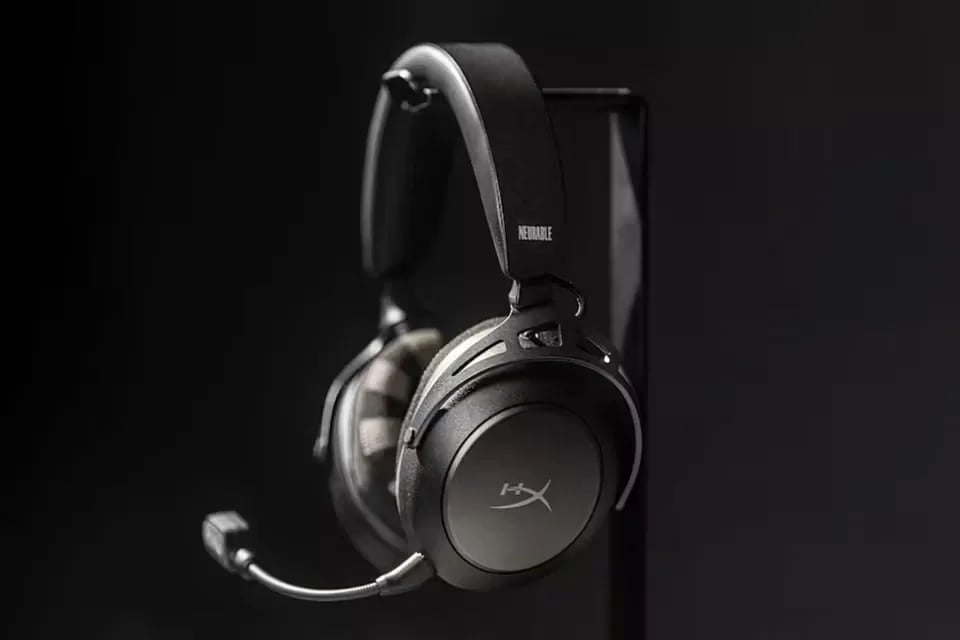
Launch Date: TBA | Starting price: TBA
Brain-scanning company Neurable partnered with HyperX to build a gaming headset that tracks brain activity using EEG sensors. The system includes a “priming” exercise where you focus your mind to shrink a cloud of dots. Testing showed it improved accuracy by a few percentage points and reduced reaction time by around 40 milliseconds.
For esports players, those numbers matter. The headset also tracks cognitive load and focus levels during gameplay, useful for coaching and preventing tilt.
The weirdest or most unusual launches at CES 2026
Here are our top three oddballs from this year’s lineup:
1. Fraimic: AI art on your wall
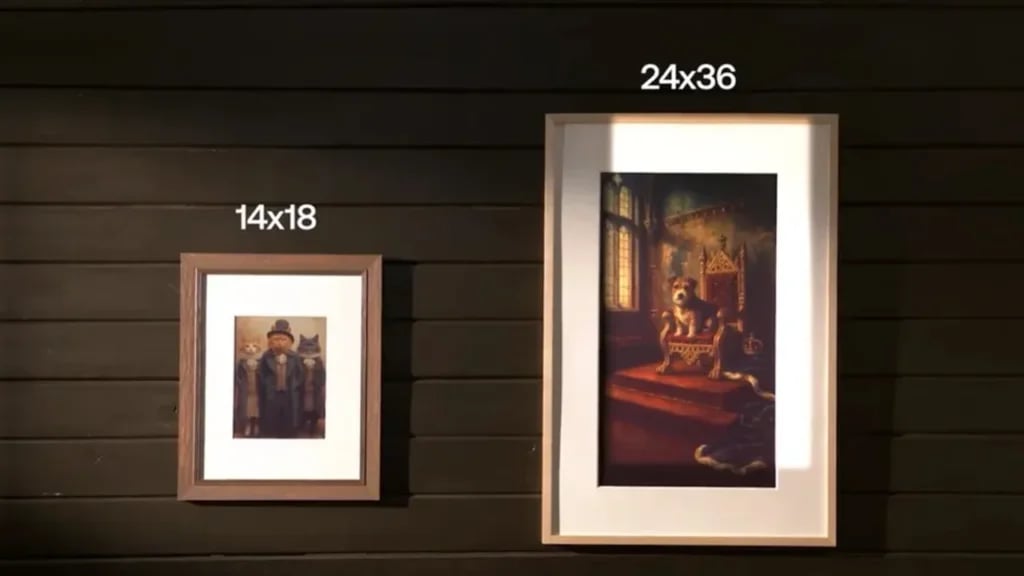
Launch Date: May (Kickstarter), June (direct) | Starting price: $399 (standard) | $999 (large)
Fraimic is an e-ink canvas powered by OpenAI. Type in a prompt, and it generates artwork. Upload your own images through the app if you want something specific.
Could it replace physical prints? Not at $399 for the standard size or $999 for the large one. It’s personalised and changeable, but those prices make traditional artwork look like a bargain.
2. Pebble Index 01: A ring for voice memos
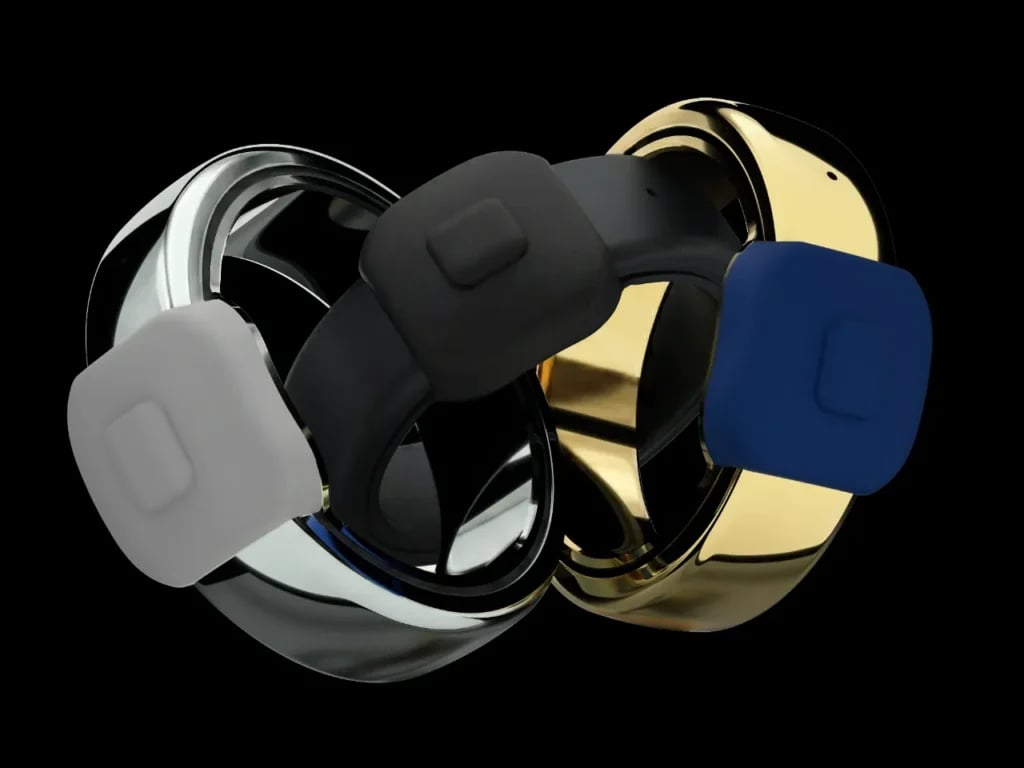
Launch Date: March 2026 | Starting price: $75 (preorder), $100 (after)
The Index 01 is the least “smart” of all the smart rings on the market. It’s just a microphone and a physical button for recording voice memos. That’s it.
For anyone tired of asking their partner to text them random notes (“dark toner” or “4 pounds 10 ounces”), it’s a simple solution. The downside: it’s not rechargeable. Battery life is estimated at two years, after which it becomes e-waste. Pebble offers a recycling program where old rings get disassembled and the materials recovered, but it’s still a disposable device by design.
The founder says the trade-off was necessary to keep the ring sleek, waterproof, and affordable. Whether people will accept that trade-off is unclear.
3. Sunbooster: Infrared light for Winter
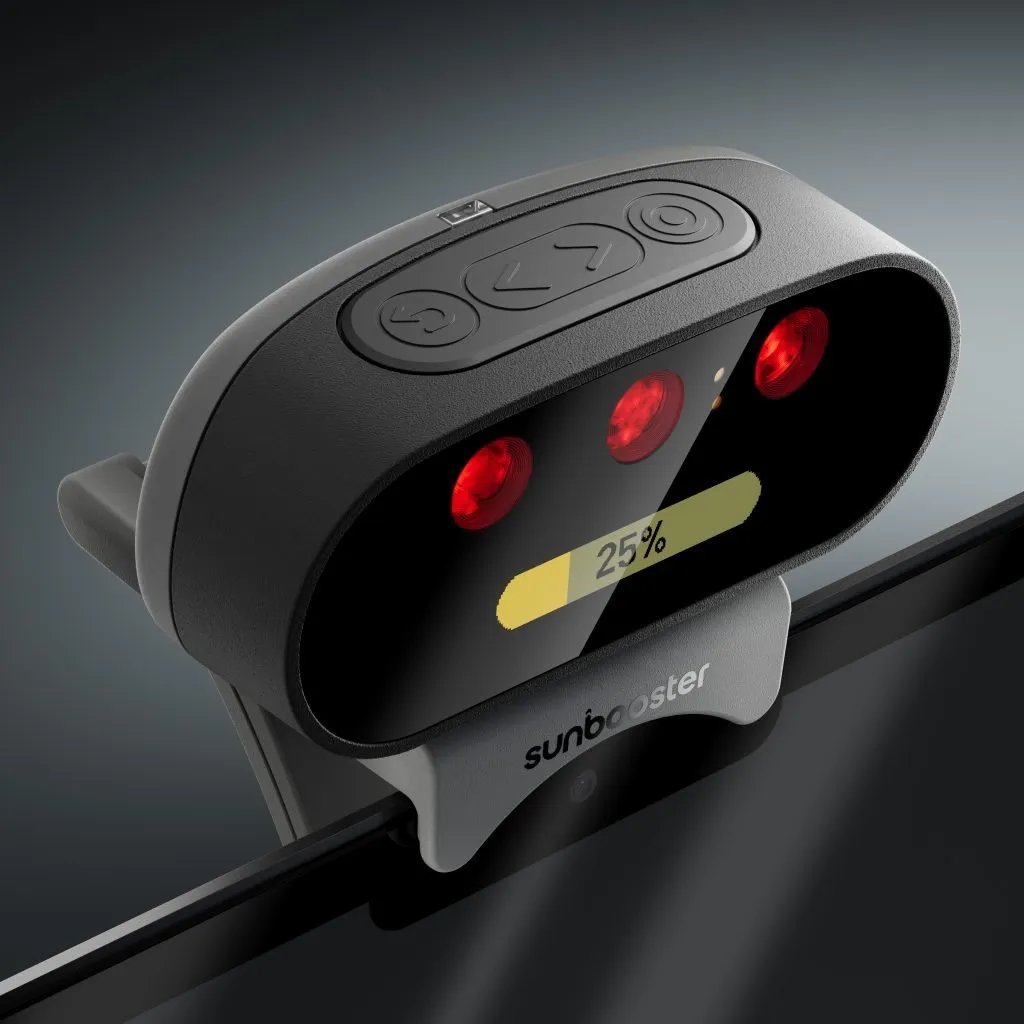
Launch Date: Later 2026 (US)
SunLED Light Solutions introduced Sunbooster, a USB-C device that clips onto monitors, tablets, or laptops and emits near-infrared light (850nm) for two to four hours daily. The idea is to supplement reduced sunlight exposure during winter months.
Prototypes at CES included a monitor with built-in infrared LEDs around the screen and a phone case with similar tech. No word yet on whether those will actually ship, but the concept is interesting enough to watch.
Africa’s seat at the table
Since 2022, CES has leaned global, but few launches have been built with African users in mind. The debut of the Africa Pavilion in 2025 marked a shift because it gave African startups a visible place on the same stage as their global peers.
At CES 2026, that presence grew. African founders showcased 12 products across fintech, Web3, edtech, climate tech, healthtech, agritech, and AI—from solar systems and telemedicine tools to digital payments and AI diagnostics. The ideas addressed problems shared far beyond the continent.
Still, most CES innovations reach Africa late, if at all, often filtered through importers and inflated prices. The Pavilion hasn’t fixed that pipeline, but it’s shifted the narrative. Africa is now a part of the conversation.
Get passive updates on African tech & startups
View and choose the stories to interact with on our WhatsApp Channel
ExploreLast updated: January 19, 2026


