




Business For Teens, an edtech startup, has raised an undisclosed six-figure pre-seed funding round to expand across Egypt and the Gulf region. The funding opens the Africa funding 2026 growth phase.
The round was led by Salah Abou Elmagd, an Egyptian training and sales expert, alongside a group of angel investors. The capital will be used to expand operations, enhance program offerings, and support regional expansion across Egypt and the Gulf Cooperation Council (GCC).
Founded in 2024 by Nadeem Barakat, Business For Teens provides entrepreneurship, financial literacy, and leadership training to students aged 10–16. Since launch, the startup has partnered with more than 10 schools across Egypt and Saudi Arabia, reached over 600 students, and organised exhibitions where teenagers presented real business projects to the public.
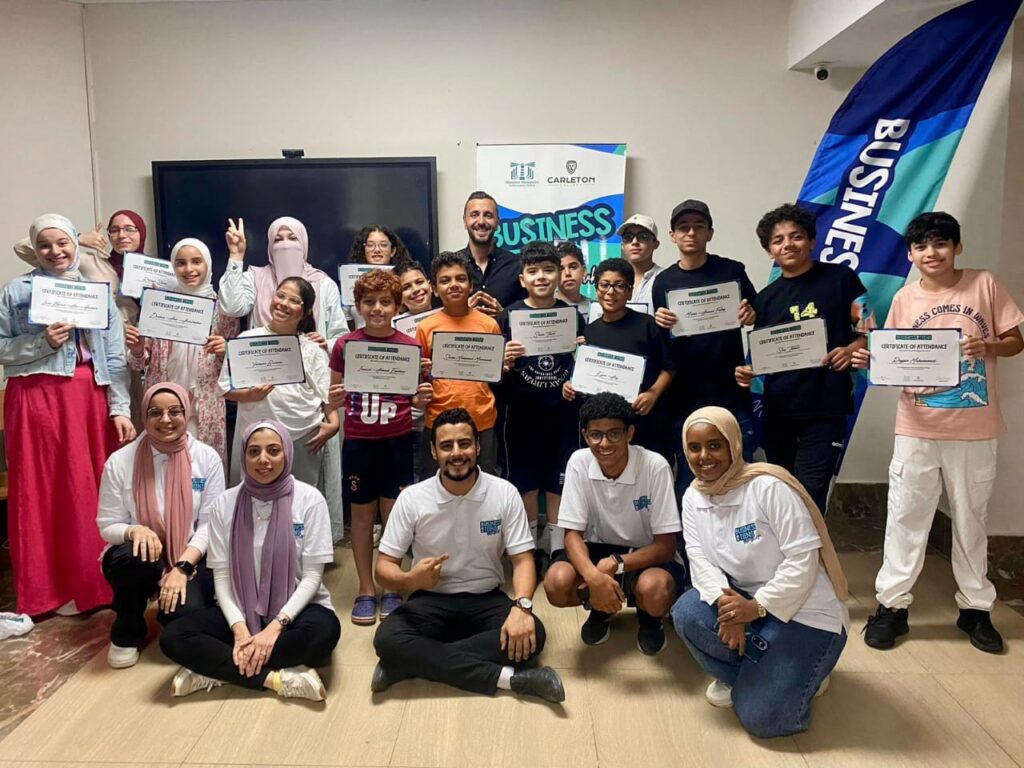
“This funding round enables us to scale our impact to thousands of teens across Egypt and the region, and to form strategic partnerships with schools and institutions,” Barakat said.
Commenting on the investment, Abou Elmagd said he has closely followed Business For Teens and believes in its mission, execution, and the founder’s ability to build a scalable, high-impact education business. He added that this may be his first, but not his last, investment in the company.
Looking ahead, the company plans to launch three new program levels in Q1 2026, expand to more than 30 school partnerships, and train over 6,000 students by the end of the year.
The edtech sector in Africa has shown that large funding rounds do not always translate into long-term success. Nigerian startup Edukoya, which raised a $3.5 million pre-seed round in 2021, shut down in early 2025 after facing market challenges such as low disposable income and connectivity constraints.
Egypt and the Gulf region, however, present stronger conditions for edtech growth. The MENA region has a predominantly young population, relatively high internet penetration, and strong government support for digital education through initiatives such as Saudi Vision 2030, the UAE Innovation Strategy, and Egypt’s Education 2.0 and Digital Egypt programs. These factors, combined with gaps in traditional education systems and limited availability of high-quality Arabic-language content, continue to create opportunities for education startups focused on practical, skills-based learning.
Get passive updates on African tech & startups
View and choose the stories to interact with on our WhatsApp Channel
ExploreLast updated: January 6, 2026


