




Marketing is not brand building.
In the rush to scale, which is understandable, many founders in Sub-Saharan Africa equate marketing with brand building. They pour budgets into ads, influencer campaigns, and social media pushes, believing visibility alone creates equity. But marketing is about distribution and promotion, while brand building is about identity and meaning.
Marketing asks: “How do we reach customers today?”
Brand building asks: “Why do we exist, and why should customers care tomorrow?”
Of course, it’s understandable—marketing delivers quick wins and visibility, which early‑stage founders under investor pressure often prioritise. But visibility alone doesn’t compound into equity.
Without a brand strategy, marketing becomes a megaphone shouting into the void. This may work for a while, but it may become problematic at a certain scale.
The cost of ignoring Brand Strategy
For startups in Africa’s fast-growing tech and consumer markets, neglecting brand strategy is especially costly:
- Commoditization: Competing only on price or features leaves companies vulnerable to cheaper rivals.
- Customer Churn: Marketing may drive downloads or sign-ups, but without a brand promise, retention collapses.
- Wasted Spend: Campaigns without a narrative are forgettable, forcing founders to spend more for diminishing returns. To be clear, marketing can and does drive traction in the short run. Ads, influencer pushes, and campaigns can create spikes in downloads or sign‑ups. The danger lies in mistaking those spikes for enduring loyalty.
- Talent Misalignment: A weak brand confuses not just customers but employees, undermining culture and mission.
In markets where trust is fragile and consumer loyalty is hard-won, ignoring the brand is a silent killer.
Lessons from global differentiation
Global case studies show how brand strategy compounds over time:
- Airbnb began as a scrappy idea: two broke designers renting out air mattresses in their San Francisco apartment. Early marketing leaned on affordability and novelty—“a cheaper, quirkier alternative to hotels.” But what transformed Airbnb into a global brand was not the ads; it was the shift in narrative. By reframing themselves around belonging, Airbnb moved from selling beds to selling community. The “Belong Anywhere” campaign wasn’t just a slogan—it was a brand promise that resonated across cultures. For African founders, the lesson is clear: don’t stop at marketing affordability or convenience. Build a brand that taps into deeper human needs—trust, connection, empowerment. That’s what scales beyond transactions. Let’s take Airbnb as an example: when you think of Airbnb now, what are the first things that come to your mind? Is it the Ads that you have seen about them?
- Wise (From Guerrilla Stunts to Transparency): Wise (formerly TransferWise) launched with cheeky guerrilla campaigns—founders in their underwear protesting bank fees, viral videos mocking hidden charges (The campaign, titled “nothing2hide,” featured protesters with the slogan scrawled across their chests to expose hidden bank fees associated with overseas money transfers.). These stunts grabbed attention, but they were marketing tactics. The real breakthrough came when Wise codified transparency as its brand DNA. Every product feature, every communication reinforced the promise: “No hidden fees.” Over time, transparency became their moat. For African fintechs, this is a powerful reminder: marketing can expose a pain point, but brand strategy must own the solution. In markets where trust is fragile, clarity and honesty are not just features—they are brand equity.
- Revolut (From Utility to Lifestyle): began by positioning itself as a cheaper way to exchange currencies and manage money abroad. Early campaigns focused on features and savings. But Revolut’s evolution was to position itself as a lifestyle brand: “One app, all things money.” They built an aspirational identity around financial freedom, turning users into a tribe. Today, Revolut is not just a tool—it’s a badge of modernity. For African startups, the lesson is to move beyond functional marketing. If you’re building a super-app or consumer platform, craft a narrative that makes your brand aspirational—something people identify with, not just use.
These companies prove that differentiation is not about louder marketing—it’s about owning a unique space in the consumer’s mind. They reinforce the central argument: marketing is not brand building. Marketing got these companies noticed—cheap rooms, anti-bank stunts, low FX fees. But brand strategy gave them meaning—belonging, transparency, lifestyle. That meaning compounded into loyalty, pricing power, and resilience. In Sub-Saharan Africa, where markets are young, competitive, and trust is scarce, founders who invest in brand equity will unlock compounding returns. Visibility fades; identity endures.
African brands that got it right
Paystack: From Payments to Infrastructure
When Paystack first launched, the pitch was simple: make it easy for Nigerian merchants to accept online payments. The early story was functional—speed, reliability, integration. But what Paystack did over time was far more powerful. They stopped talking only about transactions and began to frame themselves as the infrastructure of African commerce. That shift mattered. Suddenly, Paystack wasn’t just another fintech; it was the backbone of digital business on the continent. The Stripe acquisition only amplified that identity.
PiggyVest: From Savings tool to Financial Partner
PiggyVest’s origin was scrappy, born from a viral tweet about locking money away to avoid temptation. Early campaigns leaned into that utility—“save automatically, don’t touch it.” But PiggyVest evolved into something deeper. It became a financial partner for young Africans, embedding empathy into its brand. Saving wasn’t just about discipline anymore; it became aspirational, even communal. PiggyVest turned a functional app into a trusted companion, a brand that understood the emotional struggle of money management. That’s what brand building looks like: moving from solving pain points to owning empowerment as identity. They will be 10 years old this year, and have become a growing reference point for digital savings and investments.
M-Pesa: From Transfers to Inclusion
M-Pesa’s story is iconic. It began as a simple mobile money transfer service—send money instantly via SMS. The marketing was straightforward and functional. But over time, M-Pesa became much more than a utility. It became a symbol of financial inclusion. In Kenya today, M-Pesa is not just a product; it is a culture. To say “Do you have an M-Pesa paybill?” is to acknowledge participation in the economy itself. That’s brand equity at scale. M-Pesa didn’t just market convenience; it built a narrative of empowerment that millions could identify with.
Wave: From cheap fees to people’s champion
Wave entered Francophone Africa with a bold promise: slash mobile money fees by 80%. The early story was aggressive, all about affordability. But Wave’s evolution was to brand itself as the people’s champion against telecom monopolies. Its blue motorbike agents became cultural icons, symbols of fairness and accessibility. Today, Wave is not just the cheaper option—it is a movement for financial justice. That’s the rebel narrative in action: positioning yourself as fighting for the people, not just competing on price.
M-KOPA: From solar kits to empowerment platform
M-KOPA started with pay-as-you-go solar kits, marketed around affordability and access to clean energy. The story was functional: light your home without grid electricity. But M-KOPA evolved into a financial inclusion platform, offering smartphones, credit, and digital products to low-income households. Its brand shifted from utility to empowerment, standing for sustainable progress and opportunity. Today, M-KOPA is not just about solar—it is about unlocking access to modern life. That’s the power of brand: expanding meaning beyond product into aspiration.
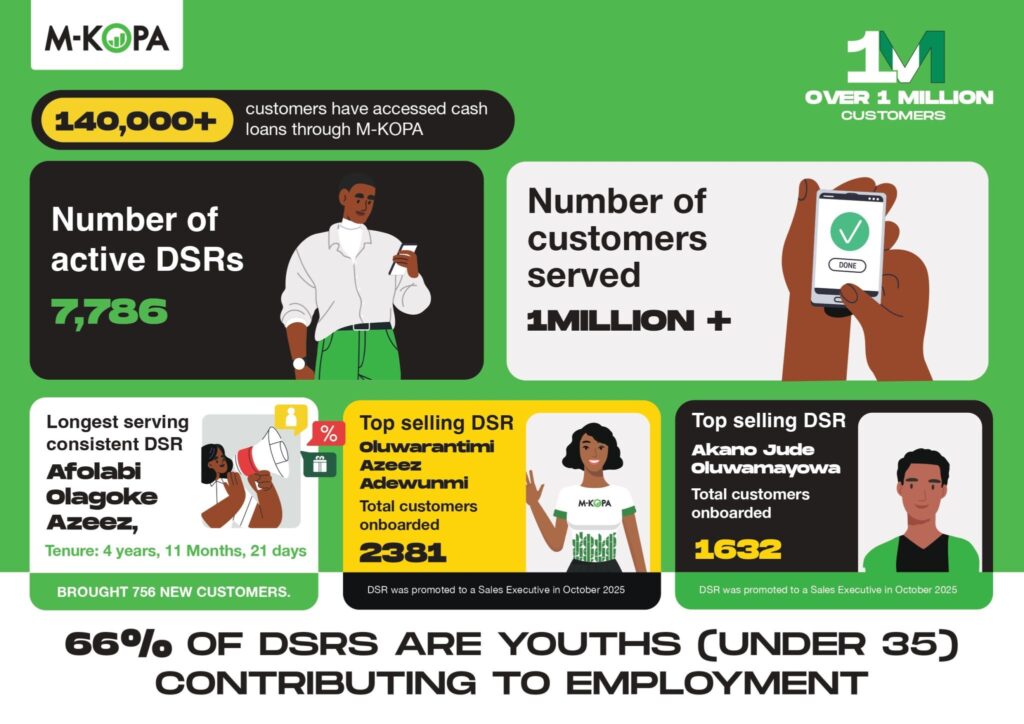
You know, when I saw this tweet by @Babajiide, I had to slide into his DM to commend the company’s understanding of communications and storytelling. You can already imagine how many other 1 million customer announcements will go.
These examples show that African founders can win globally when they invest in brand equity, not just marketing spend.
Communications as Infrastructure
This is where PR and communications play a critical role. As Jessica Hope of Wimbart observes:
“Over the past decade at Wimbart, we’ve seen that PR is most effective for startups when it’s treated as infrastructure, not just a campaign or quick fix. The companies that build strong brands over time are the ones that use communications to make deliberate choices about how they show up, what they prioritise, and what they refuse to chase. In practice, this has meant pushing clients to move away from constant announcement-led activity and instead focus on a small number of narratives they can credibly own. Earned media or nothing. This strategic approach is important as founders and early-stage businesses need to build trust at scale. Over time, that clarity compounds into reputation — far more valuable for long-term growth than short-term visibility spikes or vanity coverage.
This perspective reinforces the idea that communications, like brand, must be deliberate and long-term. It’s not about noise; it’s about credibility and compounding trust.
What founders should do differently?
- Define Brand DNA Early: Clarify vision, values, and positioning before scaling campaigns.
- Make Brand the North Star of Marketing: Ensure every campaign reinforces the brand story.
- Invest in Long-Term Equity: Marketing drives transactions; brand drives loyalty.
- Measure More Than Sales: Track awareness, sentiment, and trust—not just conversions.
In conclusion, marketing without a brand strategy is like pouring water into a basket—it leaks away. In Sub-Saharan Africa, where markets are young, competitive, and trust is scarce, founders who build brands rather than just run campaigns will unlock compounding returns: loyalty, pricing power, and resilience.
To be honest, the sweet spot is a hybrid or strategic blend because marketing is also the amplifier for brand strategy. More often than not, without the right distribution, even the strongest identity risks obscurity.
How will you be approaching your Brand Communications in the New Year?
Get passive updates on African tech & startups
View and choose the stories to interact with on our WhatsApp Channel
ExploreLast updated: January 7, 2026


