




We’ve audited the current market to solve a specific ₦1 million dilemma: is it better to buy the latest midrange release or a veteran flagship? After comparing current 2026 specs against the performance ceilings of previous years, the data points to an open secret.
A new midrange phone might give you a fresh battery and a 2026 chipset, but it cannot replicate the camera systems or the refined materials of a flagship in its second or third year. In the Nigerian context, where every Naira must work harder, choosing a proven device over a new compromise is the smarter play.
The six phones on this list are the result of that market deep-dive. They sit right at the ₦1 million ceiling, providing a level of quality that ensures you never feel like you’ve settled for less.
The top Android phones under ₦1 million worth buying now are:
- S23 Ultra – ₦750,000 / $535
- Huawei Mate X3 – ₦890,000 / $635
- Oneplus 13 5G – ₦900,000 / $640
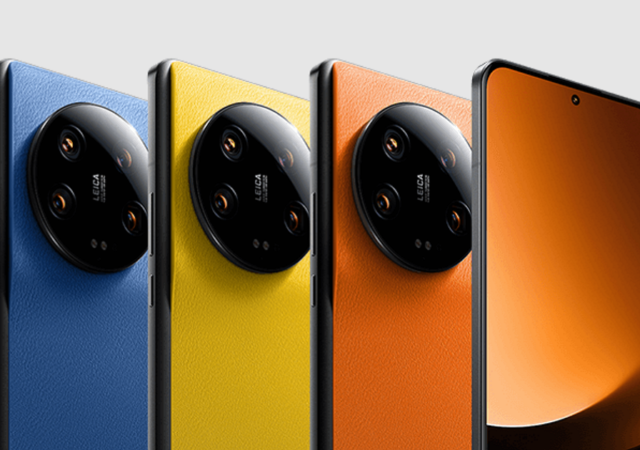
- Xiaomi 13 Ultra – ₦980,000 / $700
- Pixel 8 Pro – ₦800,000 / $570
- Oppo Find N3 – ₦900,000 / $640
Why you should buy the Samsung S23 Ultra in 2026?
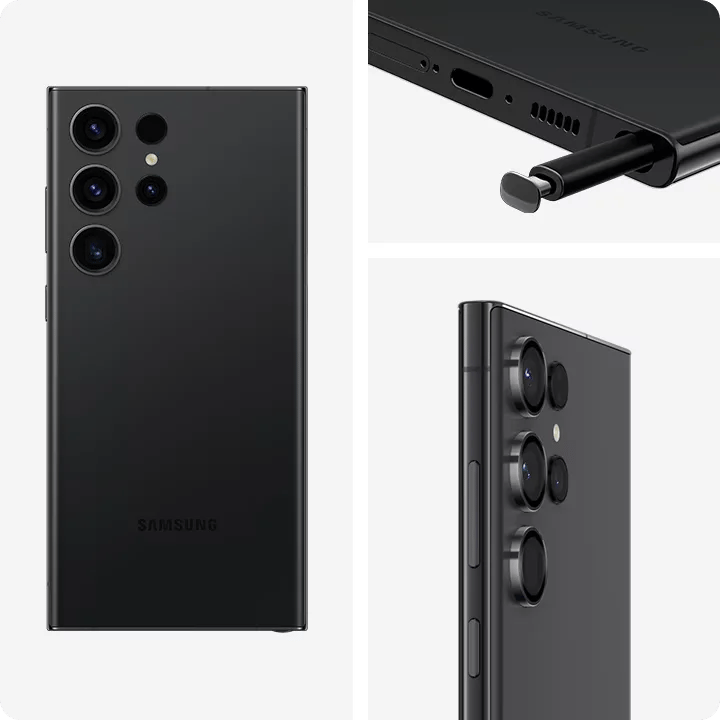
Release Date: February 2023 | Processor: Snapdragon 8 Gen 2 | Battery and Charging: 5000 mAh, 45W wired, 15W wireless (Qi), 4.5W reverse wireless | Display: 6.8 inches Dynamic AMOLED | Storage: 8-12GB RAM, 256GB – 1TB | Camera: 200 MP (main), 10 MP (telephoto) 3x optical zoom, 10 MP (periscope telephoto) 10x optical zoom, 12 MP, (ultrawide), 12 MP (selfie)
In 2026, the industry has traded raw hardware power for software gimmicks. The S23 Ultra is the antidote to that trend. We’ve looked at the specs of the latest releases, and frankly, they struggle to match this phone’s performance ceiling.
Its 200MP sensor and dedicated 10x zoom offer a photographic range that 2026’s “fresh” chipsets can’t replicate through software alone. More importantly, the display—vivid, deep reds and crisp text—remains superior to the grainy, desaturated panels surfacing on newer, more expensive units. If you have ₦700,000 to spend, ignore the new label and buy the better screen.
Why you should buy the Huawei Mate X3 today?
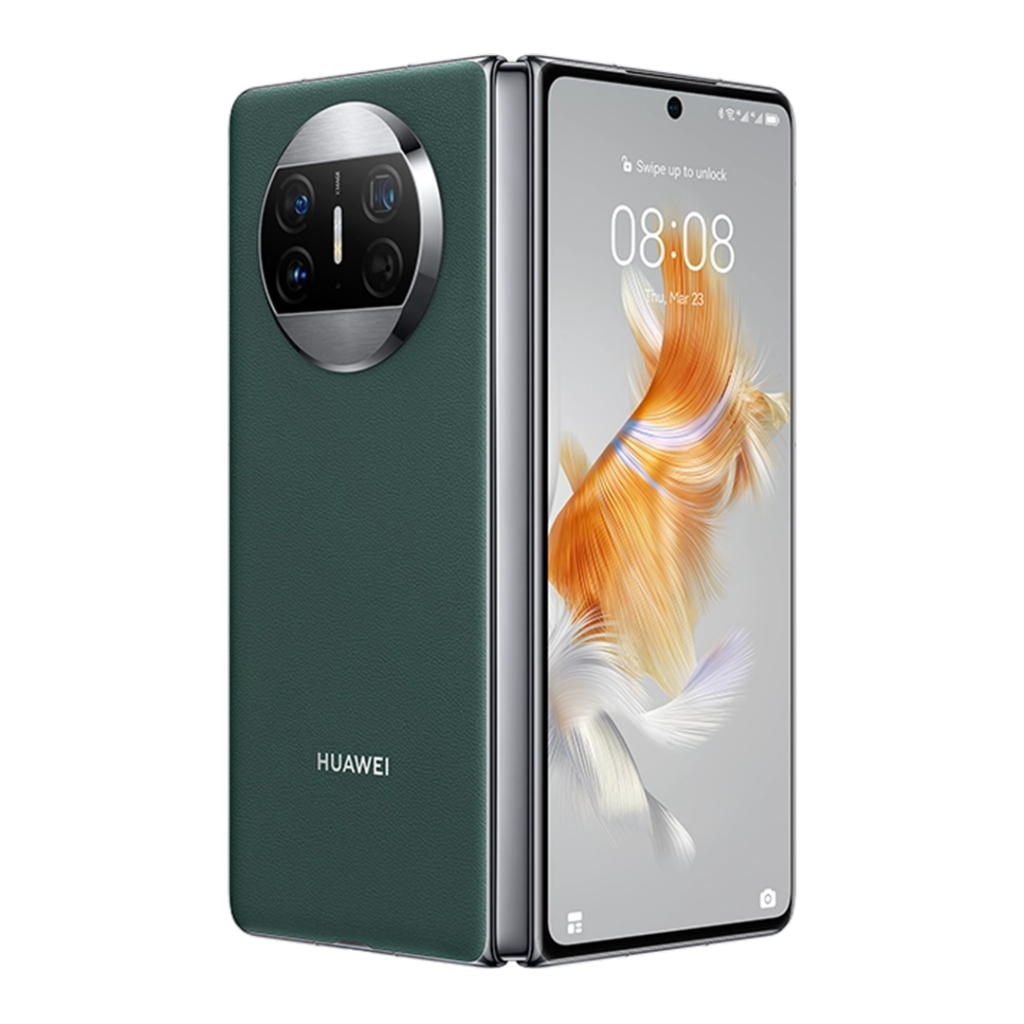
Release Date: March 2023 | Processor: Snapdragon 8+ Gen 1 | Battery and Charging: Li-Po 4800 mAh (Global), Si/C Li-Ion 5060 mAh (China only), 66W wired, 50W wireless, 7.5W reverse wireless | Display: 7.85 inches Foldable OLED | Storage: 12GB RAM, 256GB – 1TB | Camera: 50 MP (main), 12 MP (periscope telephoto), 5x optical zoom, 13 MP (ultrawide), 8 MP (selfie), Cover camera 8 MP (wide)
Most foldables are thick and utilitarian; the Huawei Mate X3 is an outlier. Even two years post-launch, it remains one of the thinnest and lightest foldables ever made, weighing just 239g, lighter than many standard flagships. You’re trading 5G and Google Services for arguably the best hardware engineering in the segment, including a periscope telephoto lens and an IPX8 water resistance rating that was years ahead of its time.
If you prioritise the feel of a device and top-tier photography over software convenience, the X3 is a masterclass in what a foldable can be.
Why you should buy the Oneplus 13 5G in 2026?
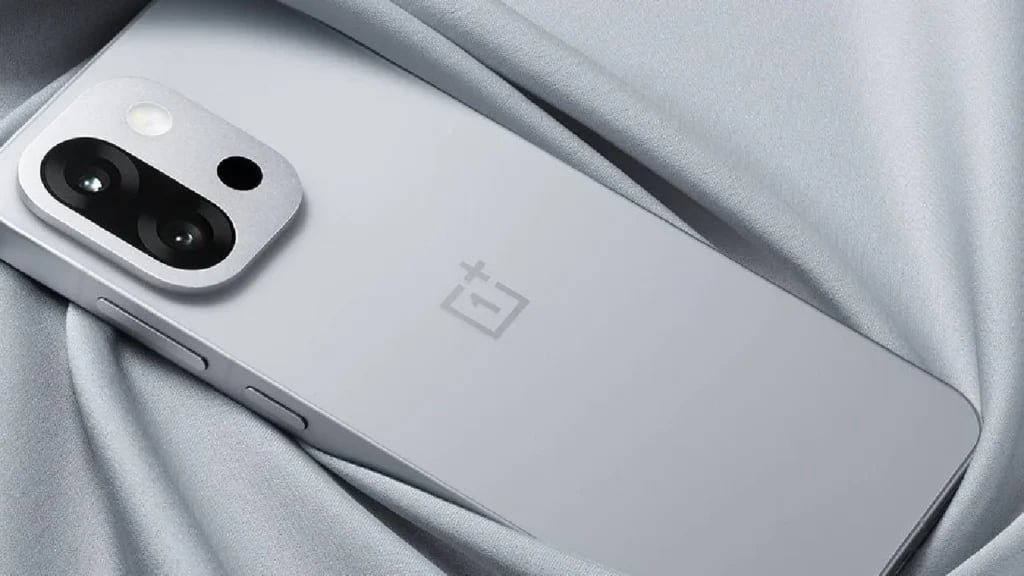
The OnePlus 13 marked a shift for the brand, bringing a properly sealed IP69-rated body and an ultrasonic fingerprint reader that works even with wet hands. It’s a pragmatic flagship. Choosing this over a 2026 ultra-priced device gets you a Hasselblad-tuned triple 50MP camera system and a build that holds up against anything in its class. It’s the offbeat option for people who still want proper flagship hardware.
Positioned just under ₦1 million, it sits as a strong alternative to the Pixel and Galaxy lines. It doesn’t match Google’s computational photography, but it gets the fundamentals right: fast, reliable performance, 100W wired charging that fills up in under 40 minutes, and enough headroom with up to 24GB RAM. In a market where prices keep shifting, this is the kind of phone you buy for what it does consistently well.
Why you should buy the Xiaomi 13 Ultra now?
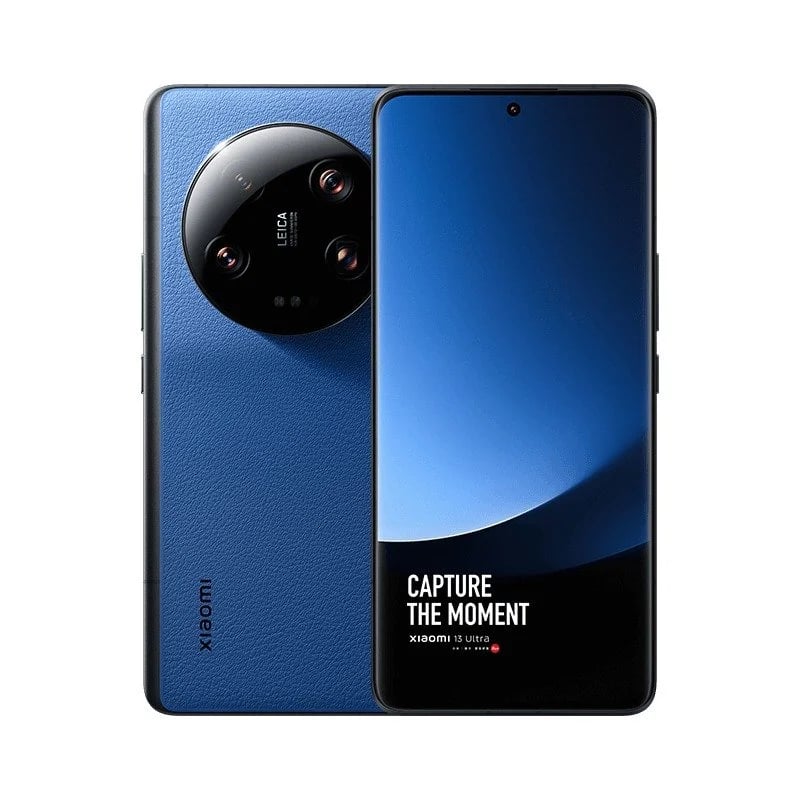
Release Date: April 2023 | Processor: Snapdragon 8 Gen 2 | Battery and Charging: 5000 mAh, 90W wired, 50W wireless, 10W reverse wireless | Display: 6.73 inches LTPO AMOLED | Storage: 12-16GB RAM, 256-1TB | Camera: 50 MP (main), 50 MP (telephoto), 50 MP, 3.2x optical zoom (periscope telephoto), 50 MP, 5x optical zoom (ultrawide), 32 MP (selfie)
While the mobile industry has pivoted toward AI-driven software, the Xiaomi 13 Ultra wins on raw, physical hardware. Its quad-camera array—featuring a 50MP 1-inch main unit and three additional 50MP sensors—provides an image quality that today’s midrange sensors try to reach. This is a device for the user who prioritises real photography over digital sharpening.
The rest of the spec sheet is equally uncompromising: 90W fast charging, a cutting-edge 120Hz LTPO screen, and the Snapdragon 8 Gen 2, which ensures the 13 Ultra still feels snappy in 2026. It is a thick, unapologetic piece of engineering that trades slimness for utility. In a market full of brand-new compromises, this remains a verified powerhouse for anyone who treats their smartphone as their primary creative tool.
Why should you buy the Pixel 8 Pro in 2026?

Release Date: October 2023 | Processor: Google Tensor G3 | Battery and Charging: 5,050mAh, 30W wired, 23W wireless (Qi-certified) | Display: 6.7-inch LTPO OLED | Storage: 12GB RAM, 128GB-1TB | Camera: 50 MP (main), 48 MP (ultrawide), 48 MP, 5x optical zoom, up to 30x Super Res Zoom (telephoto), 10.5 MP (selfie)
In 2026, the Pixel 8 Pro is no longer new, but it still makes sense if you care about longevity over whatever midrange phones are being pushed this year. It launched in late 2023, but with seven years of Android updates, it will outlast most newer devices.
The appeal isn’t just the Google name. The Super Actua display still holds up, and newer midrange sensors haven’t really overtaken the triple-camera setup. You get a 48MP ultrawide and a 5x optical telephoto, which is still rare at this level. The Tensor G3 leans more into everyday features like call screening, live translation, and photo tools like Best Take, rather than raw performance.
It’s not perfect either. The 5,050mAh battery is at best a one-day phone for heavy use, and 30W charging feels slow compared to current options.
If you find a clean or open-box unit under ₦1 million now, you’re getting a safer long-term buy.
Read also: Exploring the Google Pixel 8 and Pixel 8 Pro: An In-depth review
Why should you buy the Oppo Find N3 5G phone in 2026?
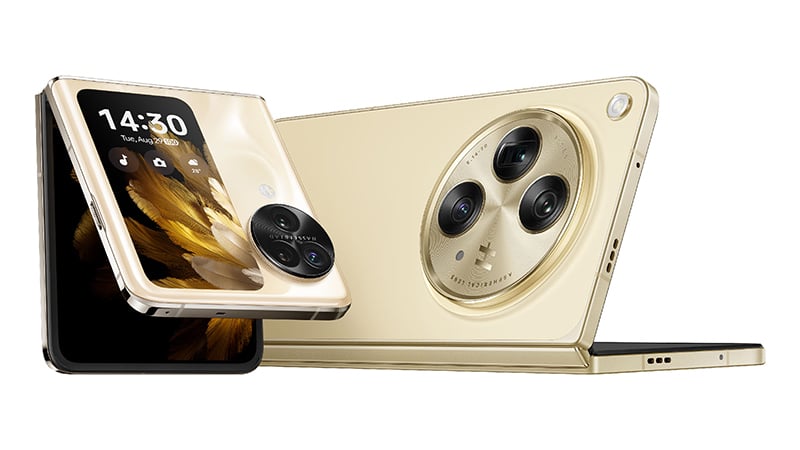
Release Date: October 2023 | Processor: Snapdragon 8 Gen 2 | Battery and Charging: 4,805mAh, 67W SUPERVOOC | Display: 7.82-inch Foldable LTPO3 OLED, Cover 6.31-inch LTPO3 OLED | Storage: 12-16GB, 512GB-1TB | Camera: 48MP, Sony LYTIA-T808 (main), 64MP, 3x optical zoom (periscope telephoto), 48MP (ultra-wide), 20MP (selfie internal), 32MP (cover)
Most flip phones now use larger outer screens. The Find N3 (and N3 Flip) keeps a tall, narrow cover display that fits regular apps properly, so you’re not relearning how to use them.
Newer mid-range phones may bring bigger batteries, but they don’t match the Sony LYTIA-T808 sensor or the 64MP periscope lens here. It’s still one of the few flip phones with proper zoom, in a category where cameras are usually the trade-off.
You’re getting solid build quality and Hasselblad colour tuning, with the Snapdragon 8 Gen 2 still holding up for everyday use and most heavy tasks. At around ₦900,000, it fits under the ₦1 million mark while still offering flagship-level cameras and long-term software support.
Editor’s Note: Prices may change. These picks reflect what you can typically find in Nigeria at the time of writing.
Get passive updates on African tech & startups
View and choose the stories to interact with on our WhatsApp Channel
ExploreLast updated: April 8, 2026


