




🍔 Quick Bite: In Africa, event-tech success isn’t just about features; it comes down to who sits closest to the audience. Platforms like Tix Africa, Luma, and PartyVest show that trust, familiarity, and community-driven distribution sometimes outweigh technical innovation.
🧠 The Breakdown
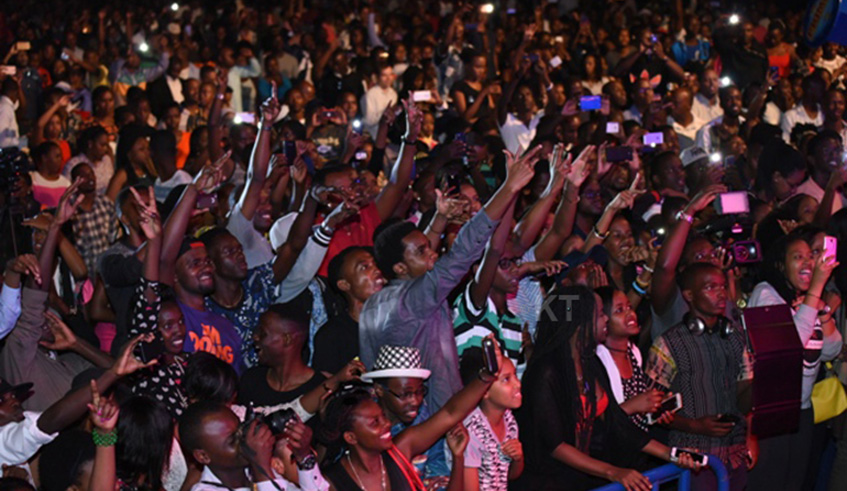
It’s common knowledge that Africans love events. In a continent where celebrations happen at the slightest provocation, the continent’s appetite for gatherings creates a natural market for event-tech platforms. Yet the way organisers, creators, and attendees choose these platforms is quite interesting.
Organisers tend to use whatever their audience already recognises. Creators stick to the tools their communities trust. Festivals and conferences rarely switch unless a platform already has strong visibility, and this has shaped a market where distribution matters just as much as innovation, and sometimes more.
When you go through the core feature sets of major platforms operating in Africa, you’ll notice they’re starting to look remarkably similar. Not to say features don’t matter, they absolutely do. But when most serious platforms offer comparable core functionality, features alone won’t determine who wins. The differentiator becomes something else entirely: who gets seen first when an organiser needs to create an event, and who captures attention when audiences look for something to attend.
Tix Africa, now one of the more familiar platforms in Nigeria, was born out of a festival where tens of thousands of people showed up, but the organisers had zero data and unreliable payment rails. Tix’s early success came from solving payment routing in a way Nigerians trusted. Card, USSD, transfers, mobile wallets. What mattered was that buyers trusted the payment methods to work. That familiarity became distribution. Distribution brought growth. Growth brought legitimacy.
Features matter as much as familiarity
Tix Africa has been pushing harder into creator-led promotion through its Creator Program, which pays selected creators to attend and document events. The company positions this as a way to help organisers reach new audiences without relying only on paid ads.
Africa’s creator economy, valued at $5.10 billion in 2023 and projected to reach $29.84 billion by 2032, gives platforms like Tix a real opportunity to blend event management with community-driven reach.
Luma is another example. Luma hasn’t become popular in Africa on the strength of features alone. The platform’s design, simple event creation, global payment support, and community-friendly UX have attracted creators and communities worldwide. As these creators host events and share them with their followers, the platform gains new users, which helps build momentum among African organisers.
The Eventbrite story also shows why distribution matters. The company built a mature product and invested in features that smaller rivals could not match. They rolled out tools for seat maps, enterprise reporting, advertising, and integrations that gave them a clear technical edge. Yet they still struggled to hold cultural relevance among younger organisers.
Industry analyst Julius Solaris noted that Eventbrite “seemed to oscillate between selling marketing tools to businesses and positioning itself as a consumer discovery platform”, adding that it increasingly felt the pressure from fast-growing, social-first platforms like Luma and Partiful.
This pattern explains why many new entrants try to anchor themselves in familiar brands. PartyVest launched with the backing of PiggyVest’s founders. The link to a trusted consumer finance brand gave it an instant pipeline into an existing network.
Where event tech goes next
The sector is still young and scattered across many countries and many use cases. Religious organisations are not necessarily choosing the same platforms as nightlife promoters. Creator communities are not behaving like corporate conferences. Political events, university shows, weddings, brand launches and festivals all follow their own discovery channels.
This fragmentation is why distribution continues to drive the market. A platform wins when it sits inside these existing patterns of behaviour.
People use what their people use.
And until an African platform, or a global one, cracks continental-scale distribution, the event-tech market will keep rewarding whoever sits closest to the audience.
Get passive updates on African tech & startups
View and choose the stories to interact with on our WhatsApp Channel
Explore


