



People say phones stopped getting exciting. Fair. Yet, 2025 had its clear winners, and a few releases you can skip without regret. If you’re planning to buy one before the year ends, think of this guide as the final piece of the puzzle.
We have tracked every major launch, followed long-term reviews, and paid attention to which phones real users kept using months after the honeymoon phase. The result is an eight-part list including a few surprises, clear standouts, and the models that simply weren’t worth the money.
Here’s a look at what defined the best and worst smartphones of 2025.
Quick glance at the best smartphones in 2025:
- Best Overall – Oppo Find X9 Pro
- Best Display – S25 Ultra
- Best Camera – Xiaomi 15 Ultra
- Best Performance – Poco F8 Ultra
- Best Battery – Xiaomi 17 Pro Max
- Best Foldable – Galaxy Z Fold 7
- Best Value to Price – CMF Phone 2 Pro
Special mentions:
- Most Improved: iPhone 17 (regular)
- Best Compact: Galaxy Z Flip 7
- Best Gaming: Red Magic 11 Pro
- Best Value Transsion: Infinix Hot 60 Pro
Flops:
- The Moto G 2025
- S25 Edge
- iPhone 16E
- Nothing Phone 3
Oppo Find X9 Pro – ₦ 2,000,000 / $1,360
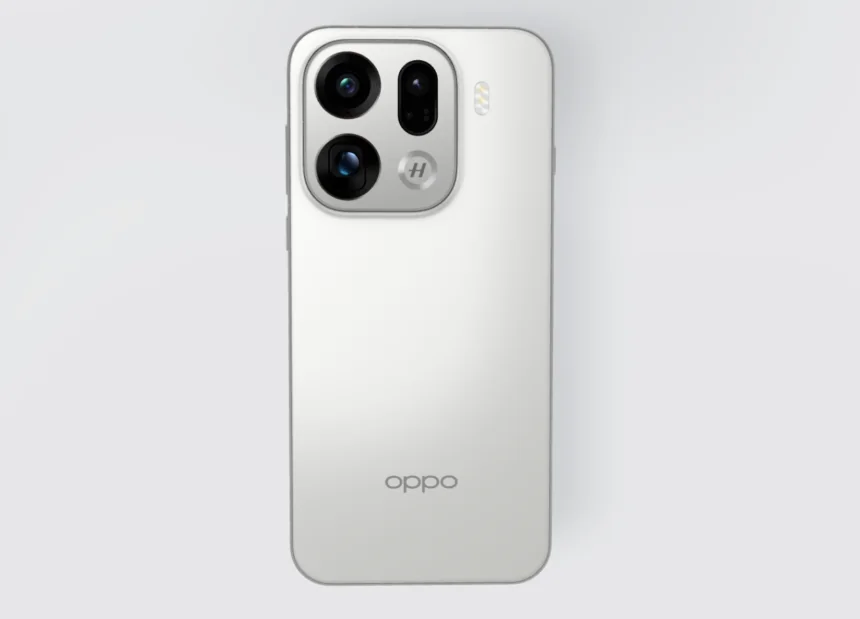
Release Date: October 2025 | Weight: 224g | Display: 6.78-inch AMOLED | Chipset: MediaTek Dimensity 9500 | RAM: 16GB | Storage: 256-1TB | Software: ColorOS 14, Android 16 | Camera: 200MP (main), 50MP (ultrawide), 50MP (3x telephoto), 32MP (selfie) | Battery: 7500mAh | Charging: 80W wired, 50W wireless | Colours: Titanium Charcoal, Silk White.
The Oppo Find X9 Pro is our pick for the best overall smartphone of 2025. Despite launching in October, it quickly proved its dominance. The 7,500mAh battery sets a new benchmark, outlasting the iPhone 17 Pro and Pixel 10 Pro in real-world use. The MediaTek Dimensity 9500 handles heavy gaming and multitasking without lag.
The camera system impresses too. A 200MP telephoto lens and optional Hasselblad attachment deliver sharp 40x zoom. The design is understated and the software includes extra apps, but the X9 Pro delivers where it matters most: performance, endurance, and professional-grade photography.
For pure power and reliability, this is the phone that sets 2025’s standard. Read our full review here.
Why we like it:
- Gigantic battery
- Excellent camera system
- Strong performance
What to consider:
- Bundled third-party apps are annoying
- Some AI additions are dire
- Telephoto lens add-on is a pricey extra
Runner up:
- OnePlus 15 – ₦1,400,000 / $951
Samsung Galaxy S25 Ultra – ₦ 1,400,000 / $950

Release Date: February 2025 | Weight: 218g | Display: 6.9 inches | Chipset: Snapdragon 8 Gen 4 | RAM: 12-16GB | Storage: 256-1TB | Software: One UI 7, Android 15 | Camera: 200MP (main), 50MP (ultrawide), 10MP (3x telephoto) + 50MP (5x telephoto), 12MP (selfie) | Battery: 5,000mAh | Charging: 45W wired, 15W wireless | Colours: Titanium black, Titanium gray, Titanium Violet , Titanium Jadegreen.
By year’s end, the Galaxy S25 Ultra still sits at the top—and it earned our pick for best display of 2025 for good reason. The 3nm Snapdragon 8 Elite for Galaxy chip keeps it effortlessly fast, while the 50MP ultra-wide camera and new AI tools stretch what phone photography can do—at least when they hit right.
Samsung didn’t change much from the S24 Ultra, and that’s a good thing. The antireflective screen remains unmatched, the pro-video tools rival the iPhone 16 Pro, and the built-in stylus keeps it in a league of its own. The $1,300 price still stings, but this is the phone that held its ground all year while others tried to catch up.
Why we like it:
- Best screen on any phone and excellent outdoor support
- Versatile cameras
- S Pen support with improved precision
- Long software support
What to consider:
- Charging speed lags behind rivals
- AI features are hit-or-miss
- S25/S25 Plus have similar features and cost less
- Bulky
Runner up:
- Xiaomi 15 Ultra – ₦1,600,000 / $1,087
Xiaomi 15 Ultra – ₦ 1,500,000 / $1,020
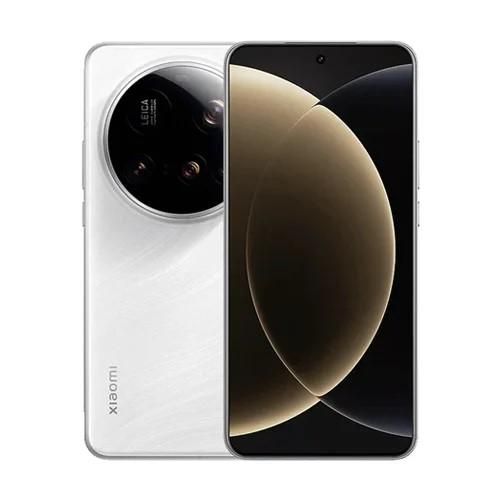
Release Date: February 2025 | Weight: 226g (Silver Chrome model = 229g) | Display: 6.73-inch | Chipset: Qualcomm Snapdragon 8 Elite | RAM: 16GB (LPDDR5X) | Storage: 512GB, 1TB | Software: OS (at launch): Xiaomi HyperOS 2 (Android 15) | Camera: 50MP (main), 50MP (ultrawide), 50MP (telephoto) + 10cm macro mode, 200MP (secondary telephoto), 32MP (selfie camera) | Battery: 5,410mAh | Charging: 90W wired, 80W wireless | Colours: Black, White, Silver Chrome
The Xiaomi 15 Ultra blurs the line between a phone and a professional camera. Its Leica-tuned setup and large one-inch sensor capture light and detail most phones can’t touch, while the 200MP zoom lens holds sharpness even when cropped past its optical range.
Performance and display are every bit flagship-level, though the smaller global battery and Xiaomi’s cluttered interface make it feel less refined than it could be. It’s a stunning camera phone first, a great smartphone second.
Read our full review here.
Why we like it:
- Excellent performance
- Best camera phone
- Gorgeous display
What to consider:
- HyperOS is feature-rich but convoluted
- Expected better battery life
- Limited international availability
Runner up:
- Oppo Find X9 Pro – ₦2,000,000 / $1,360
- Pixel 10 Pro XL – ₦1,600,000 / $1,087
Poco F8 Ultra – ₦1,176,450 / $800
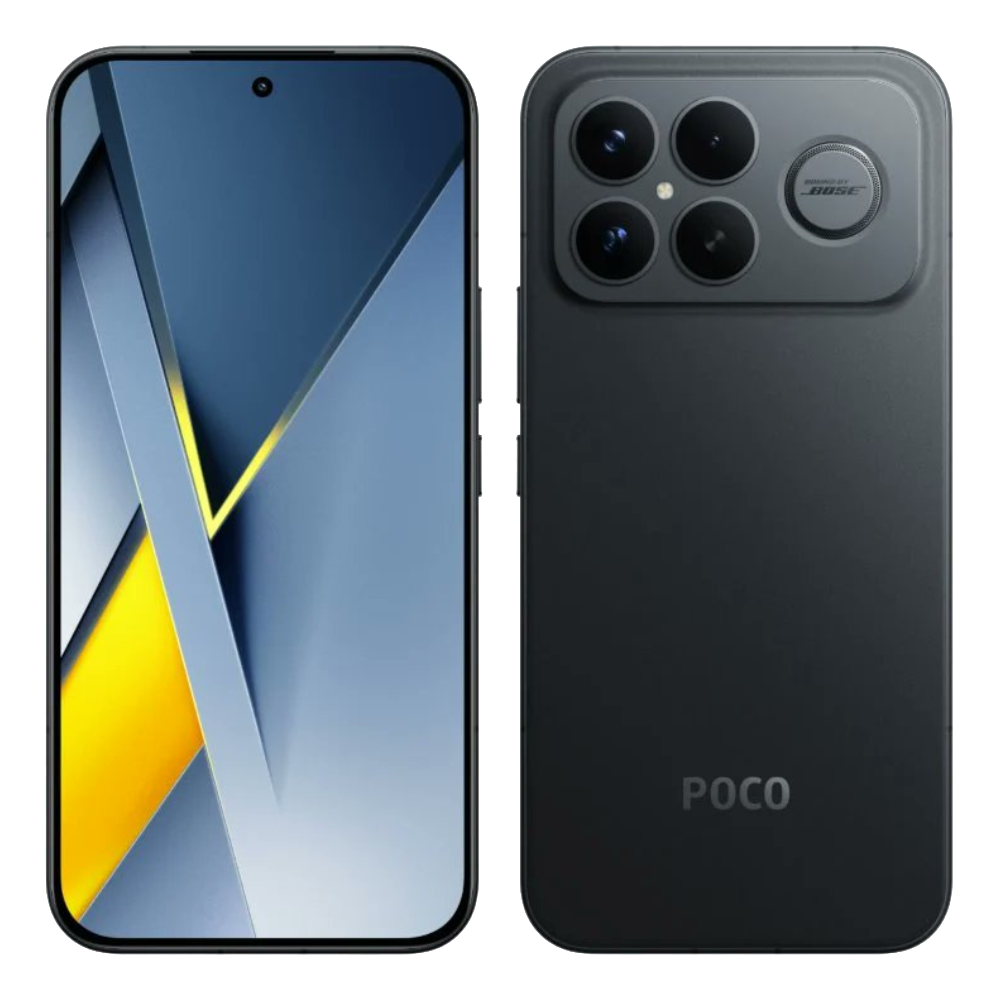
Release Date: September 2025 | Weight: 218g (Black), 220g (Denim Blue) | Display: 6.9-inch AMOLED | Chipset: Snapdragon 8 Elite Gen 5 | RAM: 12-16GB | Storage: 256-1TB | Software: HyperOS 3, Android 16 | Camera: 50MP (main), 50MP (ultrawide), 50MP (telephoto), 32MP (selfie) | Battery: 6500mAh | Charging: 100W wired, 50W Qi wireless | Colours: Black, Denim Blue.
The Poco F8 Ultra earned our pick for best performance in 2025 because it delivers on the flagship-level speed. Reviewers noted it matched liquid-cooled gaming phones in GPU benchmarks and held that performance under stress.
The standout feature is the Bose-tuned subwoofer in the camera bump. It produces actual bass, not the tinny sound most phones fake. The 6.9-inch HyperRGB display is sharper than most 2K screens despite lower resolution, hitting over 3,300 nits in brightness tests. The 6,500mAh battery lasts two full days, and 100W charging fills it in under 40 minutes.
The tradeoffs are negotiable: Low-light camera performance is weak, video quality is mediocre, and the phone gets noticeably warm during intensive use. The 220-gram weight is also substantial. But if you prioritise raw speed, exceptional audio, and long battery life over camera perfection, this phone delivers at $800.
Why we like it:
- Stellar performance
- Unique design
- Long lasting battery
- Great speakers
What to consider:
- Hyper OS 3 bloatware issues
- Low-light images are a letdown
- Sub-woofer drains the battery
Runner ups:
- iPhone 17 Pro Max – ₦2,400,000 / $1629
- RedMagic 11 Pro – ₦1,175,730 / $799
- OnePlus 15 – ₦1,350,000 / $917
Read also: Flagship power, midrange budget? Meet the Poco F7
Xiaomi 17 Pro Max – ₦1,600,000 / $1,088
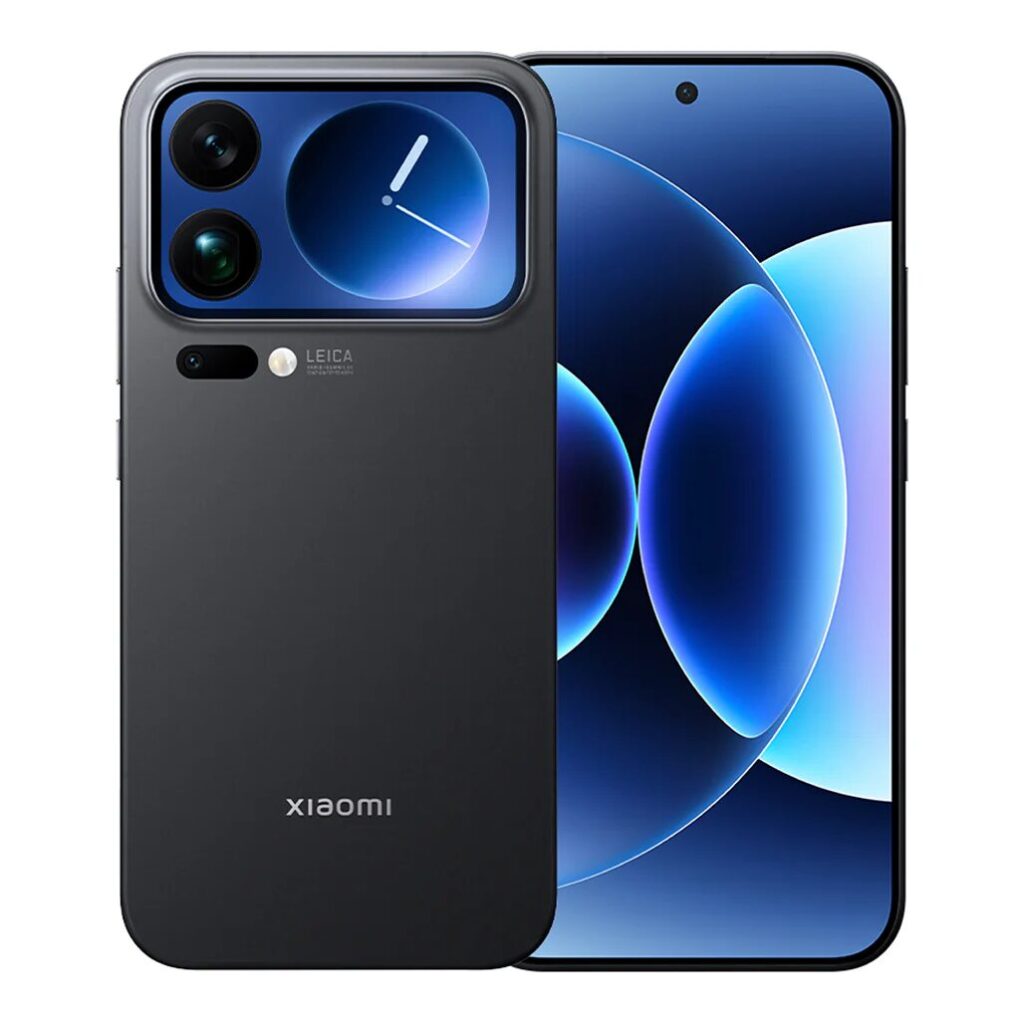
Release Date: September 2025 | Weight: 219g | Display: 6.9-inch | Chipset: Snapdragon 8 Elite Gen 5 | RAM: 12-16GB | Storage: 256-512GB | Software: HyperOS 3, Android 16 | Camera: 50MP (main), 50MP (ultrawide), 50MP (telephoto), 50MP (selfie) | Battery: 7500mAh | Charging: 100W wired, 50W Qi wireless, 22.5W reverse wireless | Colours: Black, White, Purple, Green.
The Xiaomi 17 Pro Max is a marvel that manages to fit a massive 7,500mAh battery into a body that is actually thinner and lighter than the iPhone 17 Pro Max. This massive capacity makes it our top pick for the best battery phone in 2025, as it easily handles two days of heavy use and barely dents the percentage even when streaming 4K video for hours. When you finally do run low, the 100W charging gets you back to full in about 35 minutes, a speed Apple and Samsung still haven’t matched.
Beyond its endurance, the phone stands out with a unique 2.8-inch rear display tucked next to the camera module. It’s surprisingly practical, serving as a high-quality viewfinder so you can use the 50MP Leica main sensors for selfies, or as a quick music and notification hub. With a 6.9-inch main screen that hits an incredible 3,000 nits of brightness and the raw power of the Snapdragon 8 Elite Gen 5, it’s a premium flagship that prioritizes long-term battery life without sacrificing a slim, high-end feel.
Why we like it:
- Impressively fast wired charging
- Unique secondary rear display
- Intuitive UI
- Quad 50 MP Leica cameras deliver detailed and cinematic shots
What to consider:
- No IP rating
- Performance on the 5x telephoto camera is subpar
Runner up:
- Poco F8 Ultra – ₦1,176,450 / $800
Galaxy Z Fold 7 – ₦2,000,000 / $1,360

Release Date: July 2025 | Weight: 215g | Display: Foldable Dynamic LTPO AMOLED 8.0-inches, 204.2cm | Chipset: Snapdragon 8 Elite | RAM: 12-16GB | Storage: 256-1TB | Software: One UI 8, Android 16 | Camera: 200MP (main), 12MP (ultrawide), 10MP (telephoto), 10MP +10MP Cover (selfie) | Battery: 4400mAh | Charging: 25W wired, 15W Qi wireless, 4.5W reverse wireless | Colours: Blue Shadow, Silver Shadow, Jet Black, Mint.
The Galaxy Z Fold7 is our top pick for the best foldable in 2025 because it finally feels like a normal phone that just happens to open into a tablet. For years, these devices were too tall and narrow, but Samsung has shifted to a wider 6.5-inch cover screen that makes typing and scrolling feel natural. It is remarkably thin and light—almost to the point of being scary to hold—making it the first “book-style” foldable that isn’t a literal brick in your pocket.
When you do flip it open, the massive 8-inch inner display is a revelation for multitasking. It’s no longer a gimmick; it’s a spacious canvas that actually handles apps properly. While it still charges slowly and the S Pen is gone, the trade-off is a high-end 200MP camera system that finally puts foldable photography on par with the best traditional flagships. It is a refined, polished engineering marvel that proves foldables are ready for the mainstream.
Why we like it:
- Sleek and slim build
- Improved internal display
- Impressive battery life
- Solid performance
What to consider:
- Limited availability
- Performance on the 5x telephoto camera is sub par
- No S Pen support
- Slow wired charging speed
Runner up:
- Honor Magic V5 – ₦2,680,000 / $1820
Read also: What’s new in Samsung’s new foldables from Galaxy Unpacked 2025?
CMF Phone 2 Pro – ₦600,050 / $408
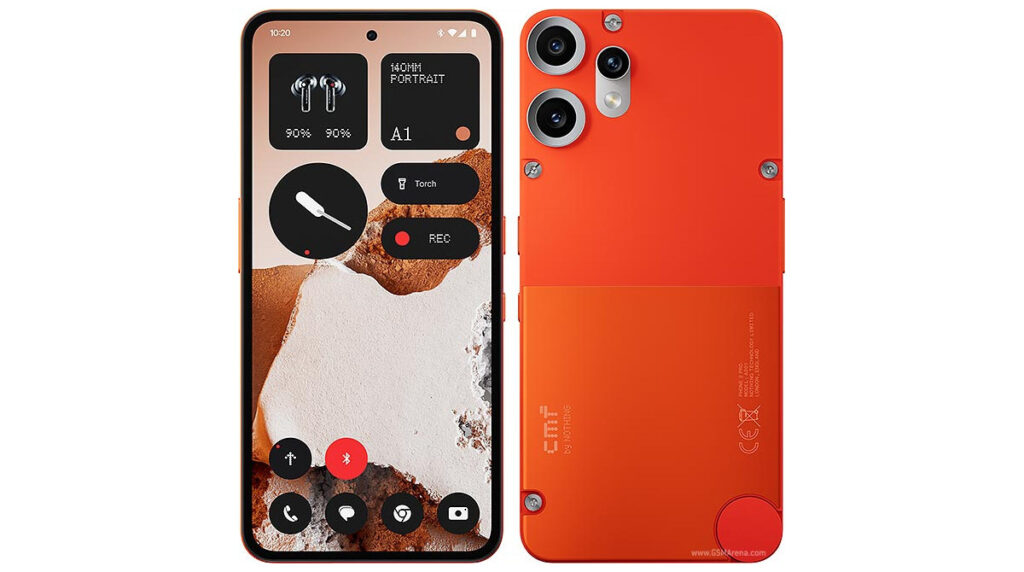
Release Date: April 2025 | Weight: 185g | Display: 6.77-inch AMOLED | Chipset: MediaTek Dimensity 7300 Pro | RAM: 8GB | Storage: 128-256GB (expandable via microSD) | Software: Nothing OS 2.6, Android 15 | Camera: 50MP (main), 50MP (ultrawide), 16MP (selfie) | Battery: 5000mAh | Charging: 33W wired | Colours: Black, Orange, Light Blue, Mint Green.
The CMF Phone 2 Pro is our top pick for the best value phone in 2025 because it brings high-end features to the mid-range market. In Nigeria, where it retails for around $408, it stands out by offering a dedicated 50MP telephoto lens—a feature almost never found at this price point. It also features a unique modular design that allows you to screw on functional accessories like a kickstand or even swappable camera lenses, giving it more personality than a standard plastic slab.
Beyond the hardware tricks, the phone is built for long-term use with a 120Hz AMOLED display and a six-year security update pledge. The CMF Phone 2 Pro delivers the no-compromise flagship hardware that users have been craving from a cheaper device. However, small shortcomings like the awkward fingerprint sensor and the lack of wireless charging mean the Pixel 10 is still a better choice—unless you can find a big discount.
Read our full review here.
Why we like it:
- Clean software
- Amazing design and large display
- Impressive battery life
- Expandable storage
- Up to six software updates
What to consider:
- Limited availability
- Only one RAM option
- Essential Key may be disappointing
- Plastic build feels less premium to rivals
Runner up for Best Value smartphones in 2025:
- Galaxy A56 – ₦550,000 / $374
- Redmi Note 14 – ₦270,000 / $183
Read also: Everything Samsung failed to include in the new Galaxy A56
Other excellent mentions worth considering:
Best improved smartphone in 2025: iPhone 17
Release Date: September 2025 | Weight: 177g | Display: 6.3-inch Super Retina XDR OLED | Chipset: Apple A19 Bionic | RAM: 8GB | Storage: 256-512GB | Software: iOS 26 | Camera: 48MP (main), 12MP (ultrawide), 12MP (telephoto), 12MP (selfie) | Battery: 3692mAh | Charging: 25W wired, 15W wireless | Colours: Black, White, Mist Blue, Sage, Lavender | Price: ₦1,450,000 / $986
Apple’s most refined iPhone yet, and not just by a little. The iPhone 17 is the biggest year-over-year leap since the iPhone X, with a new square selfie sensor that’s already being whispered about in Android R&D labs. It’s faster, smarter, and finally gives users the storage flexibility they’ve been begging for. If you’ve been holding out, this is the one to get.
Best compact phone in 2025: Galaxy Z Flip 7
Release Date: July 2025 | Weight: 188g | Display: 6.9-inch Dynamic OLED 2X | Chipset: Samsung Exynos 2500 | RAM: 12GB | Storage: 256-512GB | Software: One UI 8, Android 16 | Camera: 50MP (main), 12MP (ultrawide), 10MP (selfie) | Battery: 4300mAh | Charging: 25W wired, 15W wireless | Colours: Graphite, Lavender, Cream, Mint| Price: ₦1,100,000 / $748
Still the best pocketable phone on the market. While the iPhone Air wins on looks, the Flip 7 nails the foldable formula: better hinge, better battery, and a more useful cover screen. It’s the foldable to beat.
Best gaming device in 2025: Red Magic 11 Pro
Release Date: October 2025 | Weight: 230g | Display: 6.85-inch BOE AMOLED | Chipset: Snapdragon 8 Elite Gen 5 | RAM: 12-24GB | Storage: 256-1TB | Software: RedMagic OS 113, Android 16 | Camera: 50MP (main), 8MP (ultrawide), 16MP (selfie) | Battery: 7500mAh (global), 8000mAh (China variant) | Charging: 80W wired, 50W wireless | Colours: Eclipse Black, Cyber Neon, Aurora Blue | Price: ₦1,175,730 / $799
RedMagic’s latest gaming phone brings active liquid cooling to the mainstream, a first outside concept devices. It’s bold, fast, and built to run hard with an 8,000mAh battery and shoulder triggers. Just raw performance!
Best Value Transsion phone for 2025: Infinix Hot 60 Pro
Release Date: July 2025 | Weight: 170g | Display: 6.78-inch AMOLED | Chipset: MediaTek Helio G200 | RAM: 8GB | Storage: 128-256GB + expandable microSD | Software: XOS 15.1, Android 15 | Camera: 50MP (main), 8MP (ultrawide), 16MP (selfie) | Battery: 5160mAh | Charging: 45W wired | Colours: Sleek Black, Titanium Silver, Coral Tides, Sapphire Blue, Jungle Breath, Orange Rose Valley | Price: ₦230,000 / $156
Transsion’s best value phone of 2025 came with a clean design, reliable performance, and a price that undercuts everyone. It’s not flashy, but it delivers where it counts—and that’s why it’s our top pick for budget buyers this year.
Best Pixel smartphone in 2025: Pixel 9a
Release Date: April 2025 | Weight: 185g | Display: 6.3-inch Actua OLED | Chipset: Google Tensor G4 | RAM: 8GB | Storage: 128-256GB | Software: Android 15 (upgradable to Android 16) | Camera: 48MP (main), 12MP (ultrawide), 12MP (selfie) | Battery: 5100mAh | Charging: 30W wired, 15W Qi wireless | Colours: Obsidian, Porcelain, Iris, Peony | Price: ₦1,175,730 / $799
The best Pixel of the year and the runner-up for best small phone overall. Pixel 9a is a premium midrange phone that leans hard into Google’s strengths: clean software, smart AI features, and one of the most consistent camera experiences in its class. It’s not flashy, but it’s polished, and for many, it’s the most practical Pixel of the year.
Read also: 5 reasons a professional tech tester prefers the Google Pixel 9a over iPhone 16E
2025’s best phones
| Category | Winner | Runner-up |
|---|---|---|
| Best Overall | Oppo Find X9 Pro | OnePlus 15 |
| Best Display | S25 Ultra | Xiaomi 15 Ultra |
| Best Camera | Xiaomi 15 Ultra | Oppo Find X9 Pro |
| Best Performance | Poco F8 Ultra | iPhone 17 Pro Max |
| Best Battery | Xiaomi 17 Pro Max | Poco F8 Ultra |
| Best Foldable | Galaxy Z Fold 7 | Honor Magic V5 |
| Best Value | CMF Phone 2 Pro | Galaxy A56 |
| Most Improved | iPhone 17 | iPhone Air |
| Best Compact | Galaxy Z Flip 7 | Pixel 9a |
| Best Gaming | Red Magic 11 Pro | Red Magic 11 Pro+ |
| Best Value Transsion | Infinix Hot 60 Pro | Itel S25 Ultra |
2025´s smartphone flops
Our picks for the “worst” phones of 2025 aren’t necessarily bad; they just fell short of expectations, whether due to underwhelming upgrades, confusing positioning, or tough competition. That said, each still has its place. Some are fine for first-time users or niche needs. This list is about calling out where things went sideways, and why.
But in a year packed with standout releases, these were the ones that missed the mark the most, and why.
Quick glance at the 4 worst releases in 2025:
- The Moto G 2025 – Outpaced by the competition, even at its price point.
- S25 Edge – A design-first experiment that didn’t land.
- iPhone 16E – Confused identity and poor value for money.
- Nothing Phone 3 – Lost its identity—and its fans.
Moto G 2025
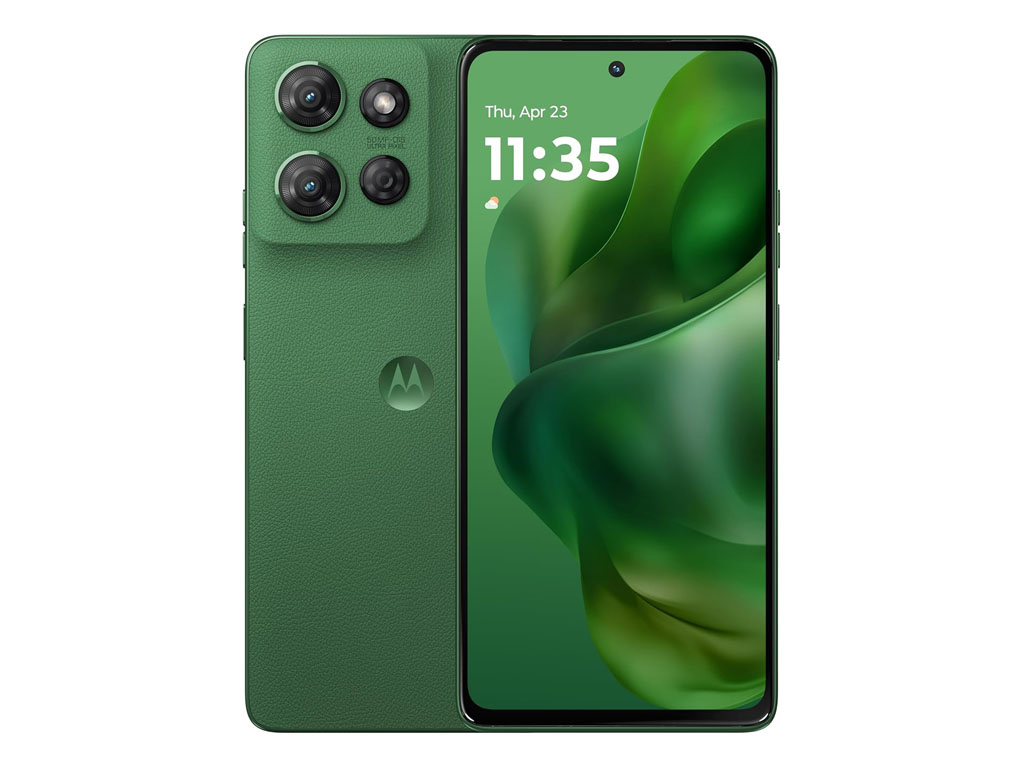
Release Date: July 2025 | Weight: 188g | Display: 6.7-inch LCD, HD+ (1604 × 720) | Chipset: MediaTek Dimensity 6300 | RAM: 4GB (expandable up to 12GB with RAM Boost | Storage: 64-128GB (expandable via microSD) | Software: MyUX, Android 15 | Camera: 50MP (main), 2MP (depth), 8MP (selfie) | Battery: 5000mAh | Charging: 30W wired | Colours: Ink Blue, Glacier Green, Graphite Gray | Price: ₦400,000 / $270
The Moto G 2025 aimed to be a reliable budget phone but struggled to keep up with the competition. Its modest chipset and 4GB of RAM made everyday tasks feel slow, and the 720p display lagged behind other entry-level phones pushing 1080p.
With a design largely unchanged from previous models and updates arriving slowly, the Moto G 2025 felt outpaced by rivals from Infinix, Xiaomi, and Tecno. It’s still a usable phone for basic needs, but in a year of strong releases, it clearly fell short of expectations.
Samsung Galaxy S25 Edge
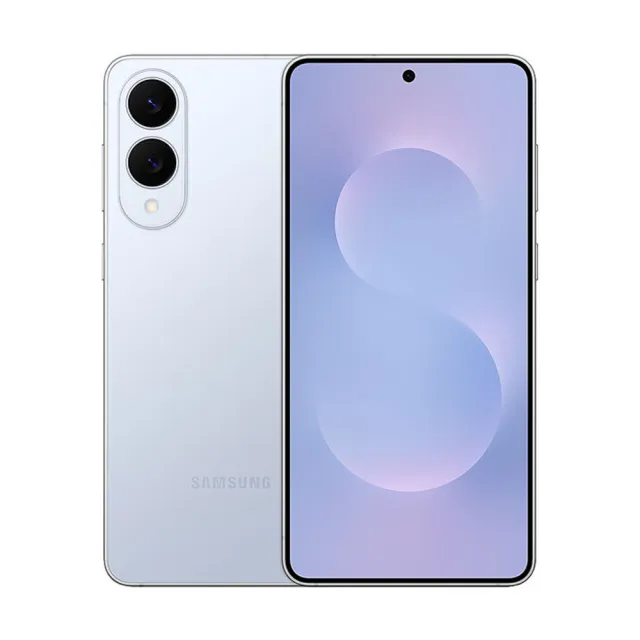
Release Date: July 2025 | Weight: 163g | Display: 6.7-inch Dynamic AMOLED 2X| Chipset: Snapdragon 8 Elite for Galaxy | RAM: 12GB | Storage: 256-512GB | Software: One UI 7, Android 15 | Camera: 200MP (main), 12MP (ultrawide), 10MP (selfie) | Battery: 3900mAh | Charging: 45W wired, 15W wireless | Colours: Titanium Silver, Phantom Black, Ice Blue | Price: ₦1,200,000 / $814
The Samsung S25 Edge was Samsung’s attempt at a super-slim flagship, but design compromises held it back. Its thin frame led to overheating, a battery that struggled to last a full day, and a build that felt fragile.
Priced close to the standard S25 but missing the Ultra’s features, it left many unsure who the phone was meant for. The S25 Edge shows that pushing design too far can come at the cost of usability.
Read our full review here.
iPhone 16E
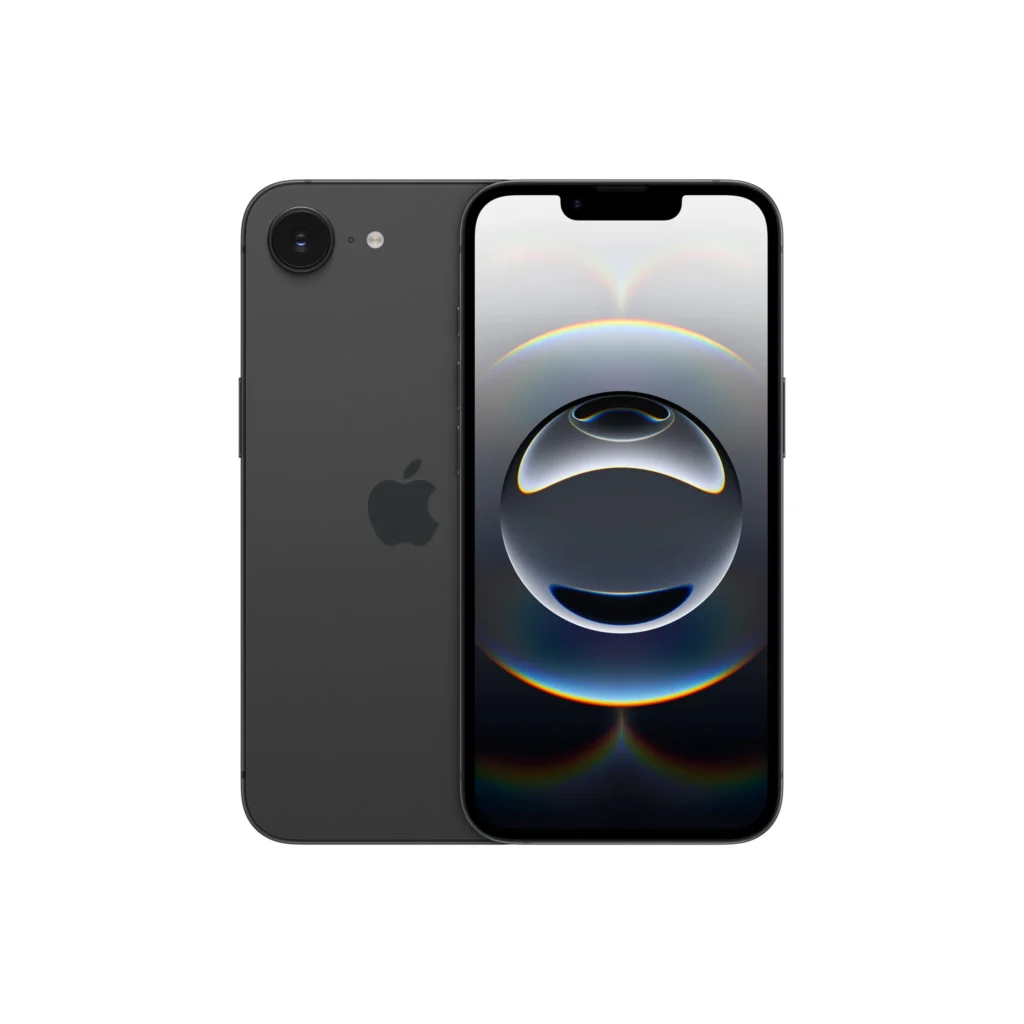
Release Date: July 2025 | Weight: 167g | Display: 6.1-inch Super Retina XDR OLED | Chipset: Apple A18 | RAM: 6GB | Storage: 128-512GB | Software: iOS 18.3.1 | Camera: 48MP (main), 12MP (selfie) | Battery: 4005mAh | Charging: 20W wired, 15W wireless | Colours: Black, White, Blue, Pink | Price: ₦850,000 / $577
The iPhone 16E was meant to be Apple’s more accessible entry into the iPhone 16 lineup, but it struggled to stand out. Its $599 price point left it too expensive for budget buyers and too basic for mainstream users.
Missing MagSafe, a telephoto lens, and sporting a design closer to the iPhone 14, it felt dated for 2025. The A18 chip handled tasks well, but the compromises made it forgettable in a year of stronger releases.
Nothing Phone 3

Release Date: July 2025 | Weight: 218g | Display: 6.67-inch AMOLED | Chipset: Snapdragon 8s Gen 4 | RAM: 12-16GB | Storage: 256-512GB | Software: Nothing OS 3.5, Android 15 | Camera: 50MP (main), 50MP (ultrawide), 32MP (selfie) | Battery: 5150mAh | Charging: 65W wired, 15W wireless | Colours: Black, White | Price: ₦1,300,000 / $880
Nothing Phone 3 was expected to build on its early momentum but struggled to stand out. The removal of the Glyph interface, the brand’s signature LED feature, left it looking like a standard Android device, and the design lost the flair fans had loved.
Performance was solid, but the camera was inconsistent, and the higher price put it in direct competition with more polished flagships. It’s still a usable phone, but compared with its predecessors, it fell short of what made Nothing unique.
Get passive updates on African tech & startups
View and choose the stories to interact with on our WhatsApp Channel
Explore


